For property owners in Ontario, the prospect of dividing a parcel of land: commonly known as land severance or "consent": represents a significant opportunity to unlock equity and maximize property value. Whether you are looking to create a new residential lot, adjust a lot boundary, or facilitate a commercial development, the process is governed by a strict regulatory framework under the Ontario Planning Act.
Navigating the intersection of municipal planning, committee hearings, and civil engineering requirements requires a strategic approach. At Reliance Engineering, led by Founder and Principal Naresh Ochani, we have spent over 20 years guiding clients through the complexities of Ontario’s land development landscape. This guide provides a professional roadmap for navigating severance applications and the often-required zoning amendments.
Understanding Land Severance in Ontario
In Ontario, you cannot simply sell off a piece of your land. You must receive formal "consent" from a local land division committee or the Committee of Adjustment. This process ensures that the new lots created are sustainable, functional, and consistent with the provincial and municipal planning policies.
Severance is rarely a standalone process. It frequently involves a Zoning Bylaw Amendment (ZBA) or a Minor Variance to ensure the newly created parcels meet specific requirements regarding lot frontage, depth, and setback. Furthermore, approvals are contingent upon proving the site can be properly serviced: a task that requires expert civil engineering.
Step 1: Pre-Consultation with Municipal Staff
Before any formal submission, the first and most critical step is the pre-consultation meeting with your local municipality. This is a mandatory or highly recommended phase across Ontario municipalities.
During this stage, planning staff will review your preliminary proposal against the Official Plan (OP) and the existing Zoning Bylaw. They will identify potential "red flags," such as environmental constraints or infrastructure limitations. More importantly, they will provide you with a "Checklist of Requirements." This checklist typically mandates professional reports, including:
- A Preliminary Site Plan or Survey Sketch.
- A Planning Justification Report.
- A Functional Servicing Report (FSR).
- Preliminary Stormwater Management (SWM) analysis.
Failure to engage in pre-consultation often leads to immediate rejection of applications due to incompleteness.
Step 2: Site Analysis and Engineering Feasibility
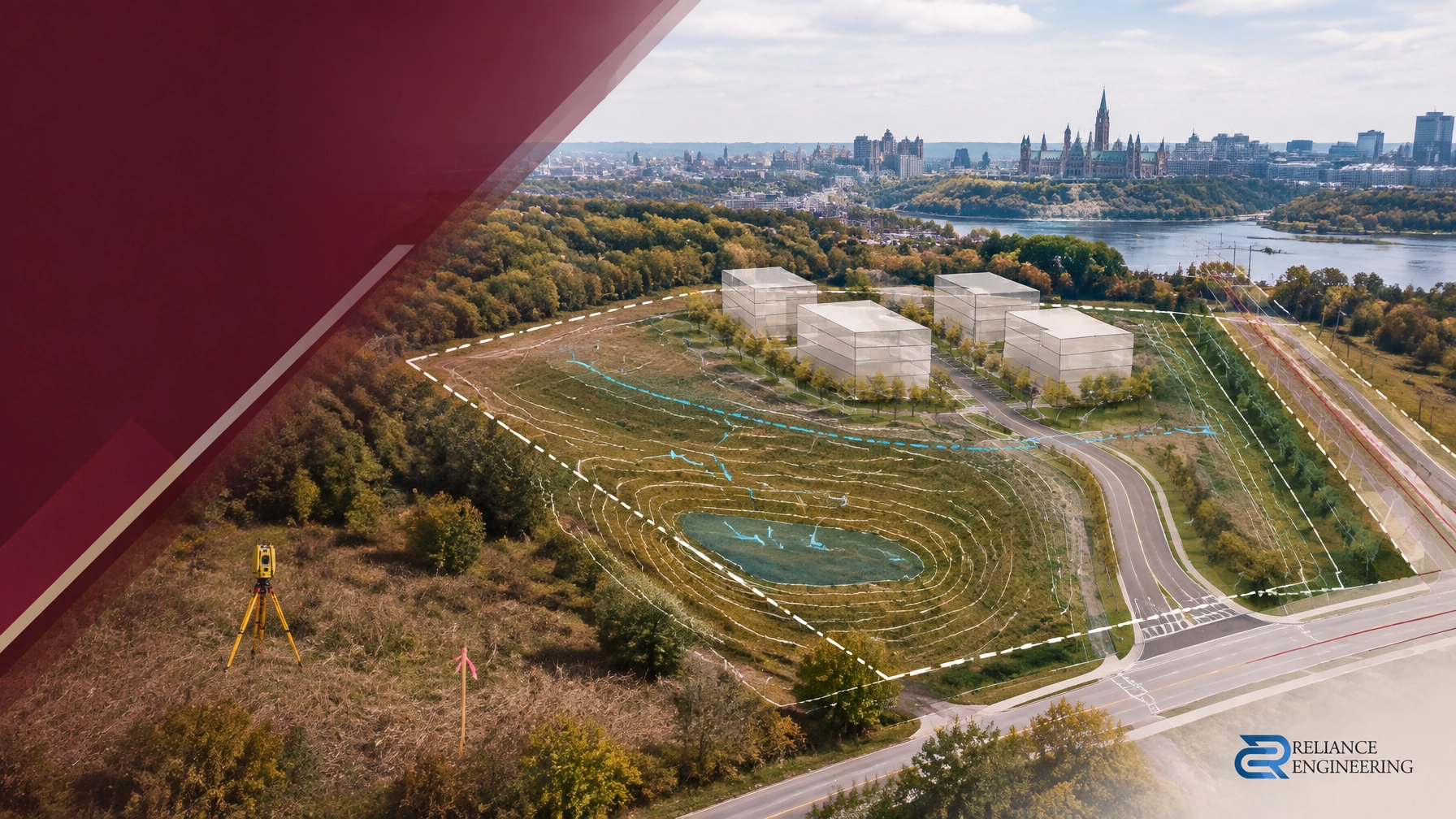
Once the municipality provides the initial feedback, you must verify the technical feasibility of the severance. This is where civil engineering becomes the backbone of your application.
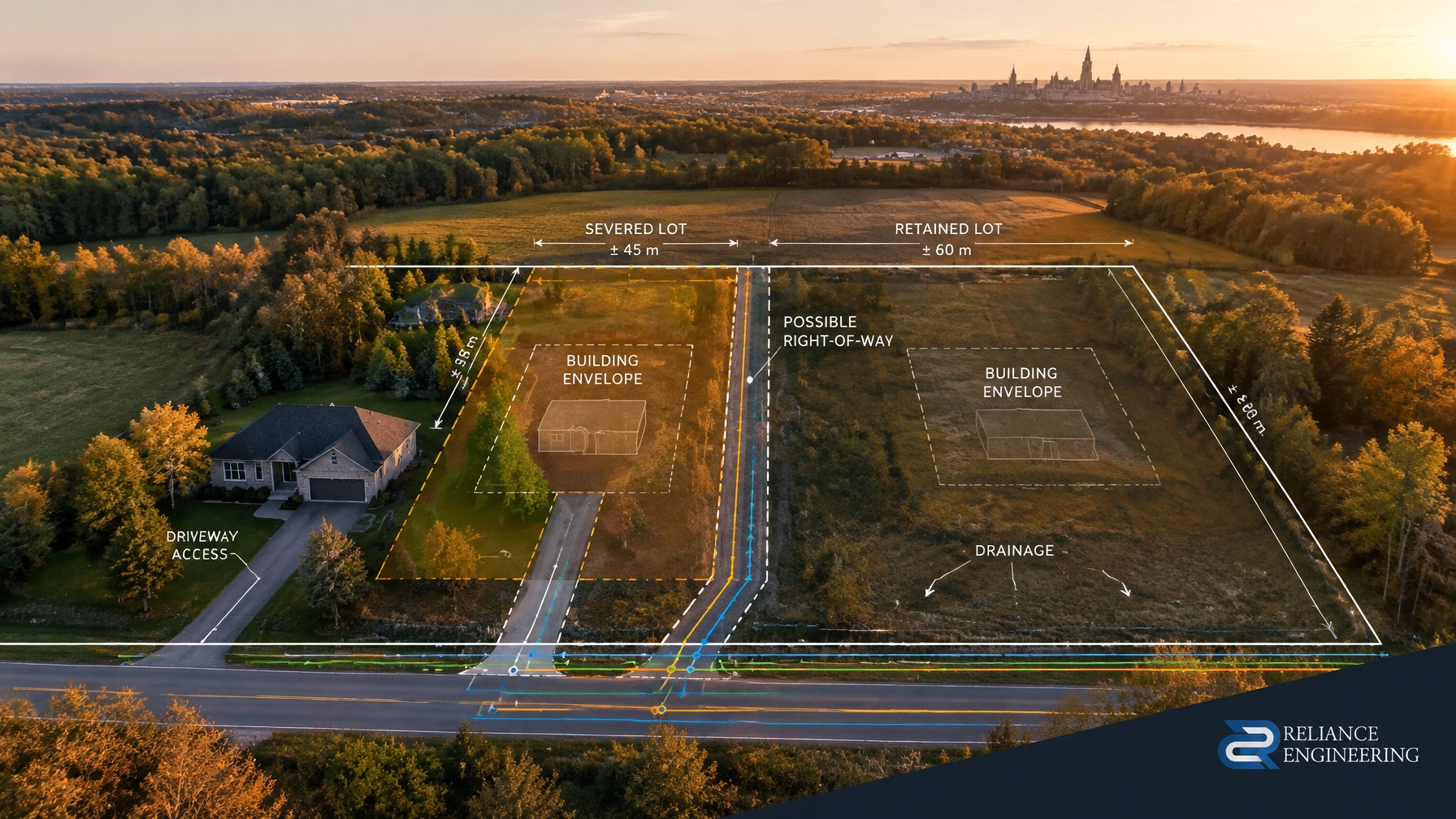
A severance isn't just a line on a map; it is a functional change to the land. You must prove that both the "retained" lot and the "severed" lot can function independently. Key considerations include:
Site Grading and Drainage
You must demonstrate that the new lot can be graded without causing drainage issues for neighboring properties. A precision site grading plan is essential to show how runoff will be managed.
Site Servicing
How will the new lot receive water and sanitary services? In urban areas, this involves connecting to municipal mains. In rural Ontario, it may involve proving the land can support a private septic system and well.
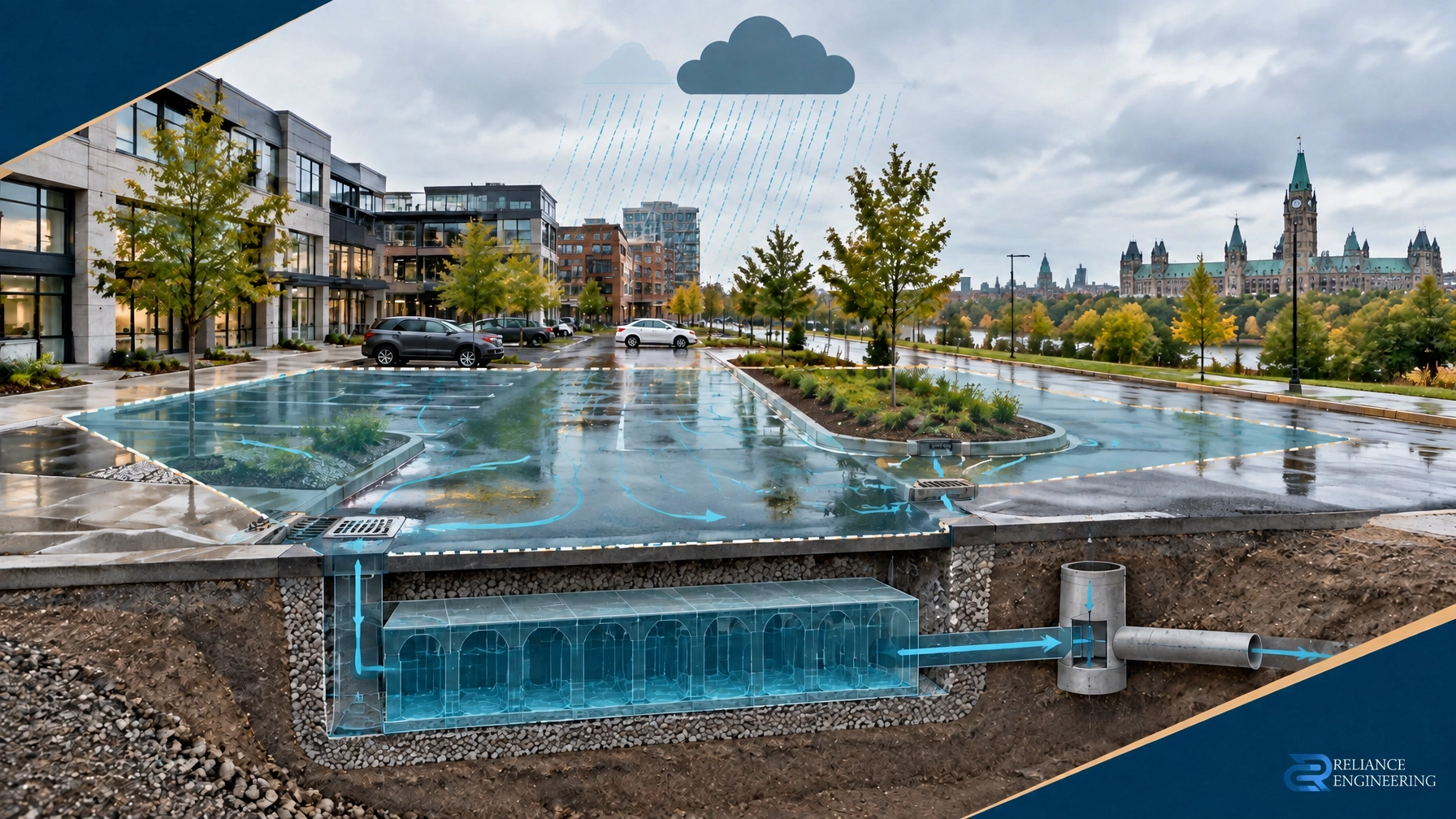
Stormwater Management
With recent updates to the Provincial Planning Statement (PPS), Ontario has placed a higher emphasis on Low Impact Development (LID). You may need a Stormwater Management Report to show how you will handle increased runoff from new driveways and rooftops.

Step 3: Submit a Complete Application
With your technical reports in hand, you submit the formal application to the Committee of Adjustment. A "complete" application in Ontario generally includes:
- The Application Form: Details on the owner, the property, and the intended use.
- The Fee: Municipal application fees can range significantly depending on the jurisdiction.
- The Survey/Draft Reference Plan: Prepared by an Ontario Land Surveyor (OLS).
- Civil Engineering Package: Including Erosion and Sediment Control plans and Site Servicing plans.
If the severance requires a change in the permitted land use or a significant change in lot dimensions, a Zoning Bylaw Amendment application should be filed concurrently. This "unlocked" zoning allows the severance to move forward under the new legal parameters.
Step 4: Public Notice and the Committee of Adjustment Hearing
In Ontario, the land development process is transparent. Once your application is deemed complete, the municipality will:
- Post a notice sign on the property.
- Mail notices to all property owners within 60 meters (approximately 200 feet).
- Schedule a Public Hearing.
At the hearing, the Committee of Adjustment (or a delegated authority) will hear arguments for and against the proposal. They look for "Planning Merit." Does the severance conform to the Official Plan? Is it compatible with the neighborhood?
If there are concerns regarding drainage or services, having a robust Functional Servicing Report from a firm like Reliance Engineering can be the difference between approval and a deferral.

Step 5: Fulfilling Conditions and Obtaining the Certificate
If the Committee approves your application, it is usually "Provisional Consent." This means the severance is approved on the condition that you complete certain tasks within a specific timeframe: usually one to two years.
Common conditions in Ontario include:
- Parkland Dedication: Paying a fee to the municipality in lieu of providing parkland.
- Development Charges: Paying the necessary fees for future infrastructure.
- Reference Plan Registration: Having the final survey registered at the Land Registry Office.
- Engineering Approvals: Obtaining final approval for Site Grading and Site Servicing plans to ensure the new lot is "build-ready."
Once all conditions are satisfied to the municipality's satisfaction, they will issue a Certificate of Official, which legally creates the new lot. If you fail to meet these conditions within the statutory timeframe, the consent lapses, and you must restart the entire process.
The Role of Zoning Amendments in Severance
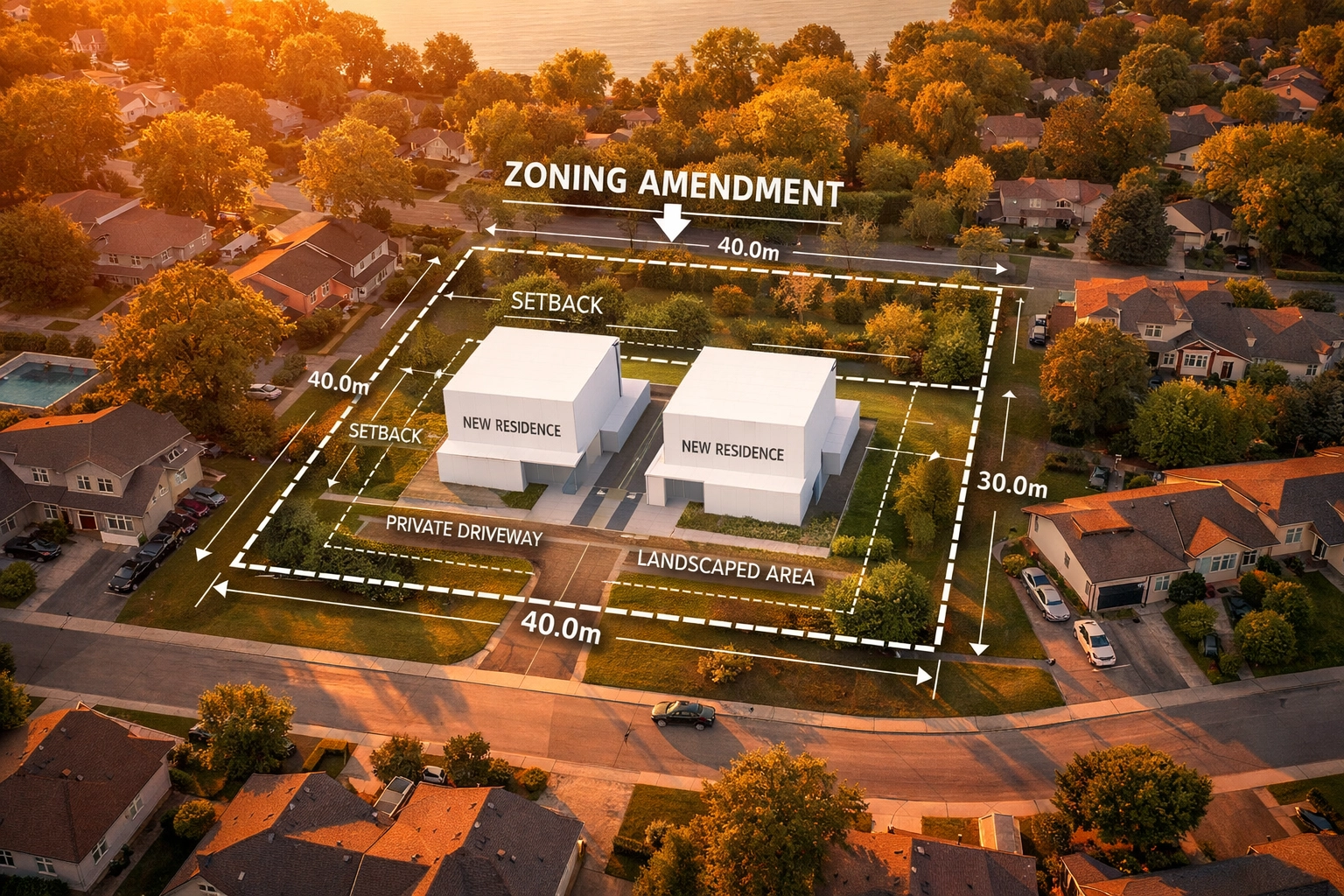
Often, a property owner wants to sever a lot that doesn't meet the current minimum size requirements of the local zoning bylaw. In these cases, a Zoning Bylaw Amendment (ZBA) is necessary.
A ZBA is a more intensive process than a minor variance. It involves changing the specific law governing your land. This is common when converting larger residential estates into multi-unit developments or severing a portion of a commercial property for a new use. For those looking at multi-unit conversions, understanding Ontario’s new zoning landscape is vital for a successful severance.
Why Professional Civil Engineering is Non-Negotiable
Many property owners make the mistake of thinking a severance is purely a legal or "planning" exercise. However, the municipality's Engineering Department has significant "veto" power. If they believe the new lot cannot be properly serviced, or that the grading will cause flooding, the application will be denied.
At Reliance Engineering, we specialize in bridging the gap between a planning vision and engineering reality. Our 20+ years of experience across Ontario allow us to anticipate municipal objections before they happen. We provide:
- Integrated Solutions: We handle everything from the initial FSR to the final building permit drawings.
- Speed: We understand that time is money in land development. Our plans are designed for first-submission approval.
- Regulatory Expertise: We stay current with Ontario’s evolving Planning Act and environmental regulations.
Final Thoughts for Ontario Property Owners
Severing land is one of the most effective ways to increase the value of your real estate portfolio, but the Ontario regulatory landscape is rigorous. By following these five steps: Pre-consultation, Feasibility, Submission, Public Hearing, and Fulfilling Conditions: you can navigate the process with confidence.
Don't leave your land development project to chance. Ensure your technical submissions: from Stormwater Management Reports to Site Grading: are handled by experts who understand the nuances of Ontario's municipal requirements.
Contact Reliance Engineering today for a professional consultation on your next severance or zoning amendment project.
Corporate Information
Reliance Engineering
Founder and Principal: Naresh Ochani
Expertise: Civil Engineering, Land Development Consulting, Stormwater Management, Site Grading & Servicing.
Service Area: Province-wide (Ontario).
Office Hours: Monday – Friday: 9:00 AM – 5:00 PM.
Website: www.relianceengineering.ca
This guide is for informational purposes. Land development requirements vary by municipality. Always consult with a qualified professional before beginning a project.