
Sanitary sewer design is a foundational element of modern urban infrastructure. It encompasses the planning, engineering, and implementation of wastewater collection and treatment systems, with the primary goal of preventing water contamination and ensuring the safe disposal of sewage. By carefully orchestrating the flow of wastewater from homes, businesses, and industrial facilities to treatment plants, sanitary sewer design forms an essential barrier against waterborne diseases, environmental pollution, and public health hazards.
Significance:
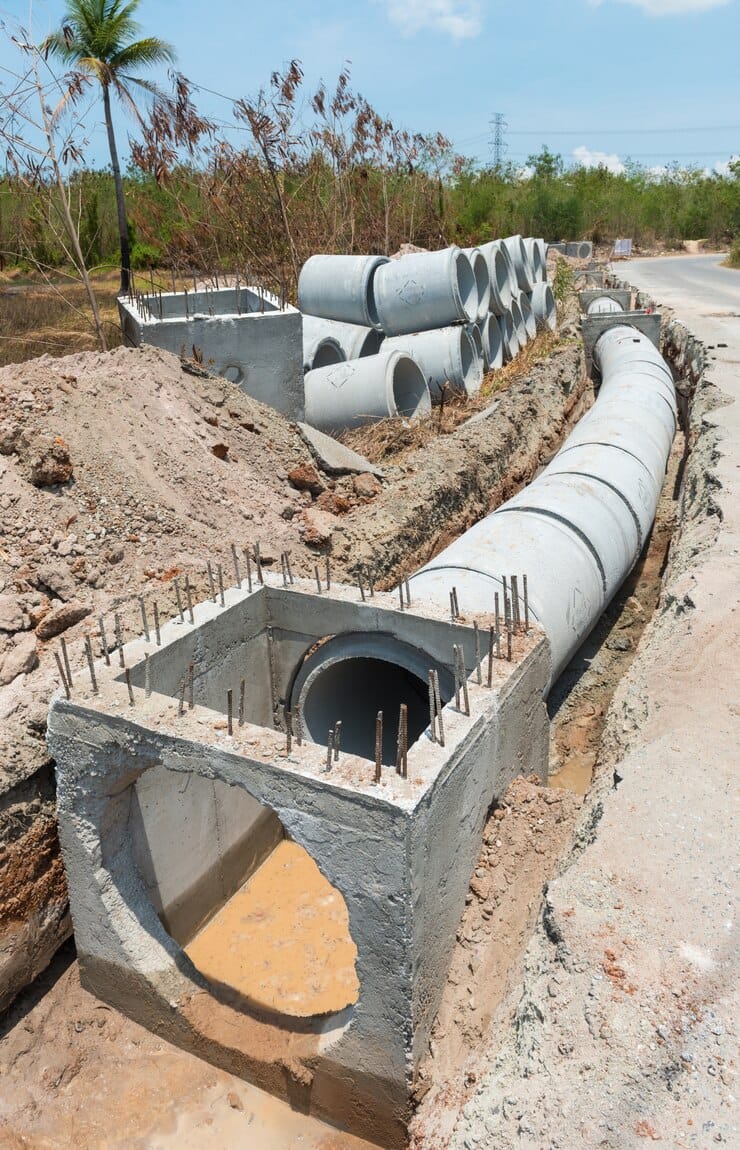 The Significance of Sanitary Sewer Design Sanitary sewer design is indispensable for preventing water contamination and safeguarding public health and safety. By providing a detailed plan for the construction of wastewater collection and treatment systems, it serves as a vital barrier against waterborne diseases and environmental degradation. The design encompasses a comprehensive analysis of sewer capacity and hydraulic grade line (HGL) requirements, ensuring the proper flow of wastewater through the sewer system. This meticulous approach involves designing with the proper pipe size, slope, and material to optimize the conveyance of wastewater and prevent blockages.
Core Components:
- Sewer Capacity Analysis
- Hydraulic Grade Line (HGL) Analysis
- Pipe Size, Slope, and Material Design
- Cost-Effective Solutions
Now, let’s dive deeper into these components and understand how they work together to create an effective Storm System Design.
1. Sewer Capacity Analysis
Thorough assessment of anticipated wastewater volume and hydraulic characteristics to determine the capacity needed for efficient wastewater management.
2. Hydraulic Grade Line (HGL) Analysis
Detailed analysis of hydraulic grade line requirements to ensure proper flow and conveyance of wastewater through the sewer system.
3. Pipe Size, Slope, and Material Design
Expert design of pipe size, slope, and material to optimize the conveyance of wastewater and prevent blockages.
4. Cost-Effective Solutions
Development of cost-effective and sustainable solutions that prioritize affordability and long-term sustainability.
Conclusion:
In essence, Sanitary sewer design is a vital component of urban infrastructure that plays a pivotal role in safeguarding public health, preventing water contamination, and promoting sustainable development. By focusing on sewer capacity analysis, flow optimization, and cost-effective solutions, this process stands as a testament to the commitment to public health, environmental stewardship, and sustainable infrastructure development. It is essential to recognize the significance of sanitary sewer design and the critical services it provides in ensuring the safe and efficient conveyance of wastewater while addressing the challenges of urbanization and population growth.


