The Ontario real estate landscape in 2026 is no longer about simple "buy and hold." With the housing crisis intensifying and provincial mandates pushing for density, the real money is made in "Missing Middle" development. For investors across Ontario, the debate has shifted from "Should I develop?" to "Should I build a multiplex or sever the lot?"
Both strategies offer massive upside, but they come with wildly different engineering requirements, capital outlays, and exit timelines. Whether you are looking at a 4-plex conversion or a lot severance, your ROI depends entirely on how you navigate the municipal approvals and civil engineering hurdles.
The Multiplex Play: 4-Plex and 5-Plex Conversions
In 2026, multiplexes are the darling of the "as-of-right" era. Thanks to legislative shifts like Bill 23 and subsequent zoning updates, adding units to existing residential lots has become significantly easier from a planning perspective.
Why Multiplexes Win on Cash Flow
A multiplex strategy: specifically 4-plexes and 5-plexes: is a cash-flow machine. By maximizing the unit count on a single property, you spread your fixed costs (land, taxes, insurance) across multiple rental incomes.
However, "as-of-right" does not mean "automatic approval." While you might not need a lengthy rezoning process, you still need to secure Site Plan Approval for multi-unit conversions.
The Engineering Reality of Multiplexes
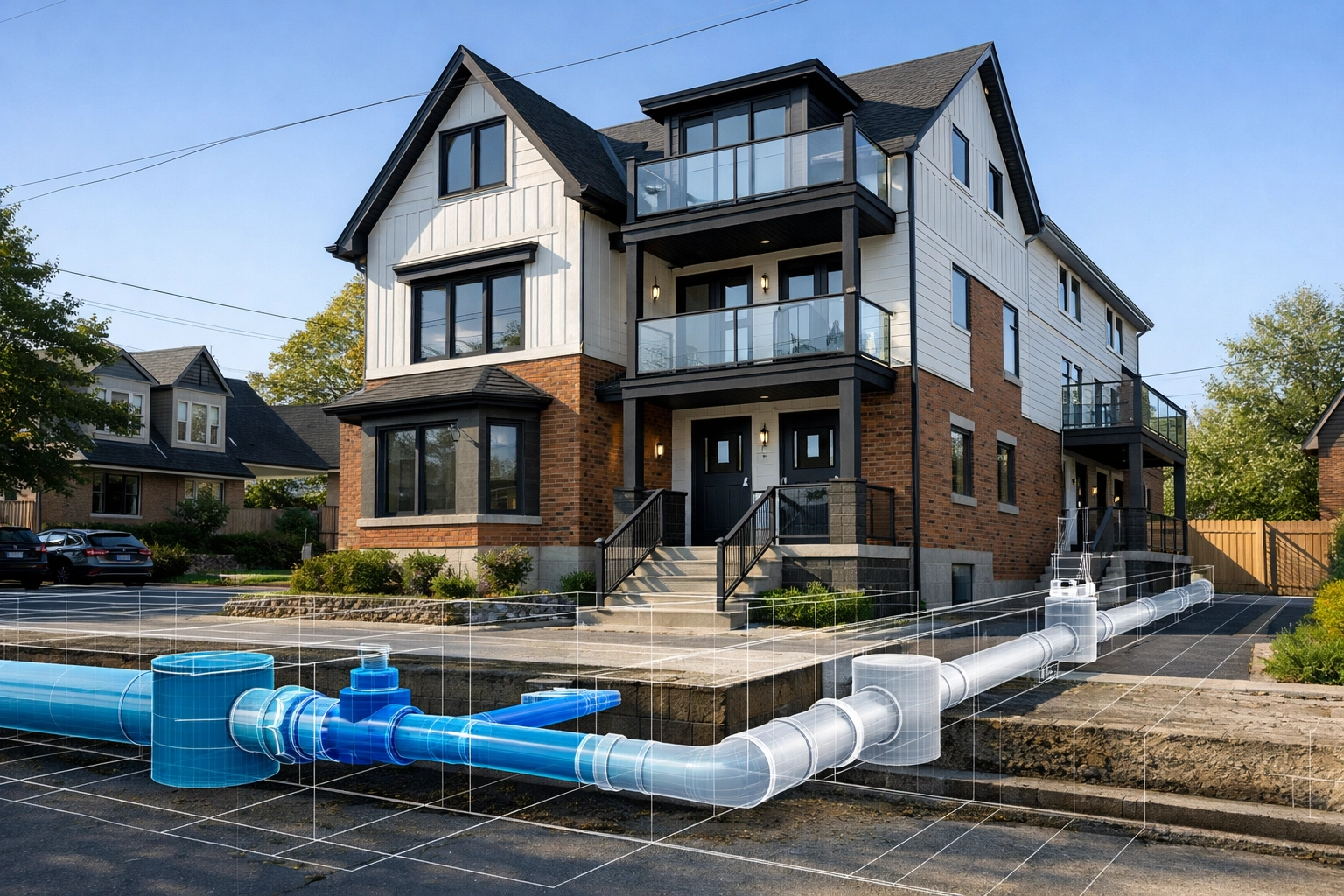
The biggest mistake investors make with 4-plexes is underestimating the utility load. When you go from a single-family home to five units, your water demand and sanitary discharge quintuple.
- Functional Servicing Reports (FSR): You must prove to the city that the existing infrastructure can handle your new density. Without a solid Functional Servicing Report, your project is dead in the water.
- Fire Flow: Often, old water mains can't provide the pressure required for multi-unit fire safety. This can lead to expensive internal sprinkler systems or external pipe upgrades.
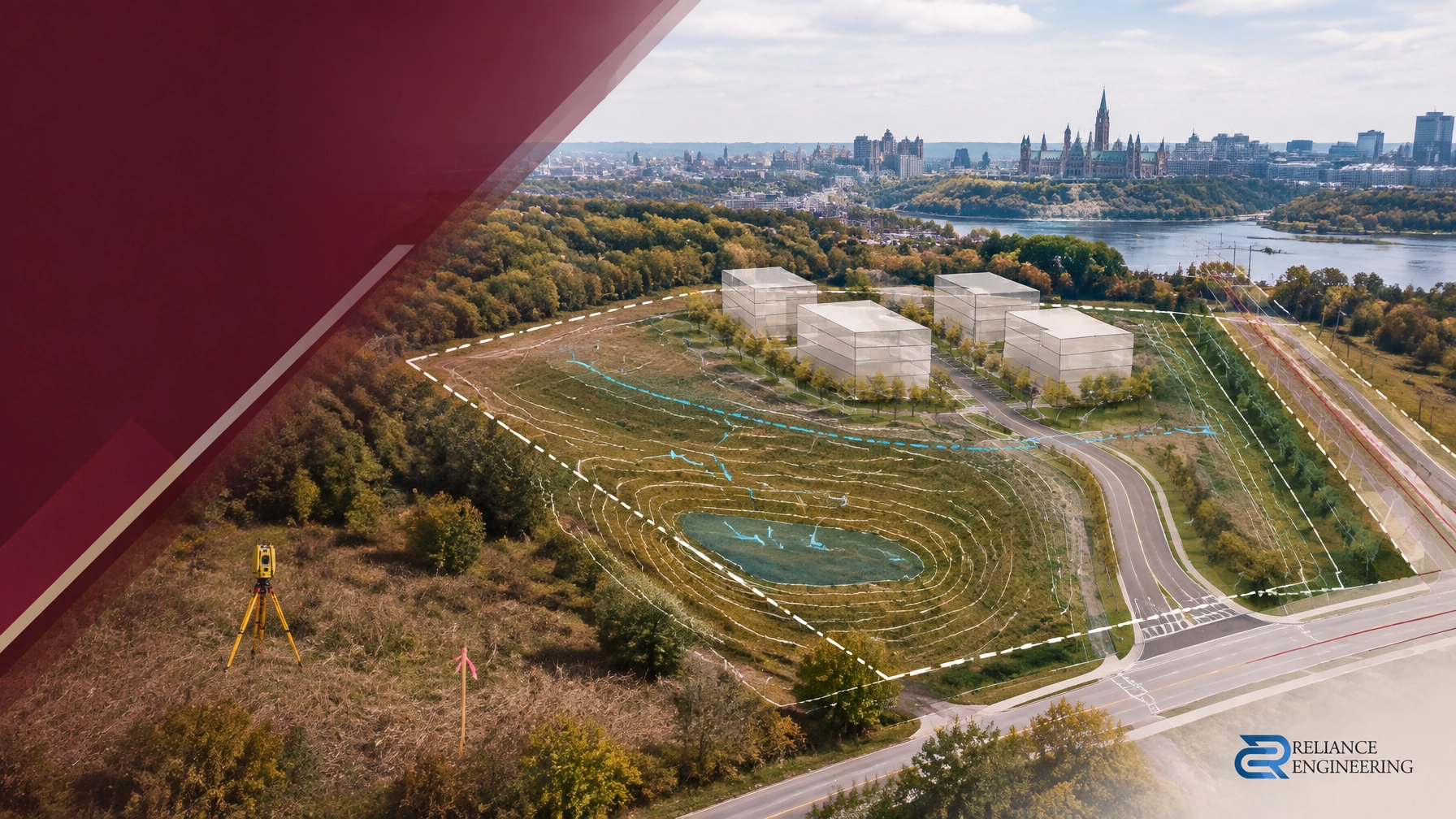
- Site Grading: Adding units often means increasing the building footprint or adding parking. This changes how water flows off your property. A precise lot grading plan is mandatory to prevent basement flooding and neighboring property disputes.
The Severance Strategy: Creating New Lots
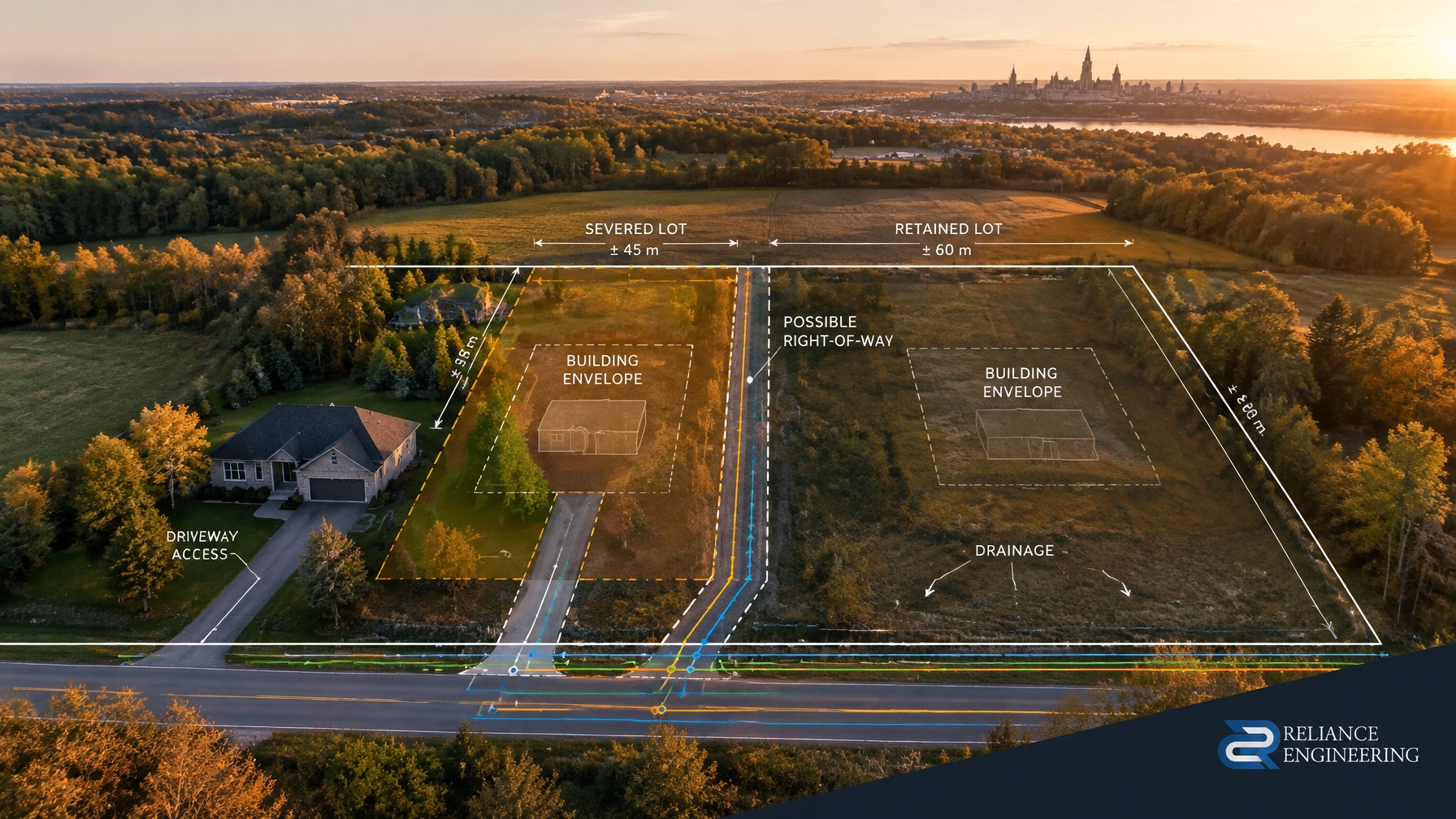
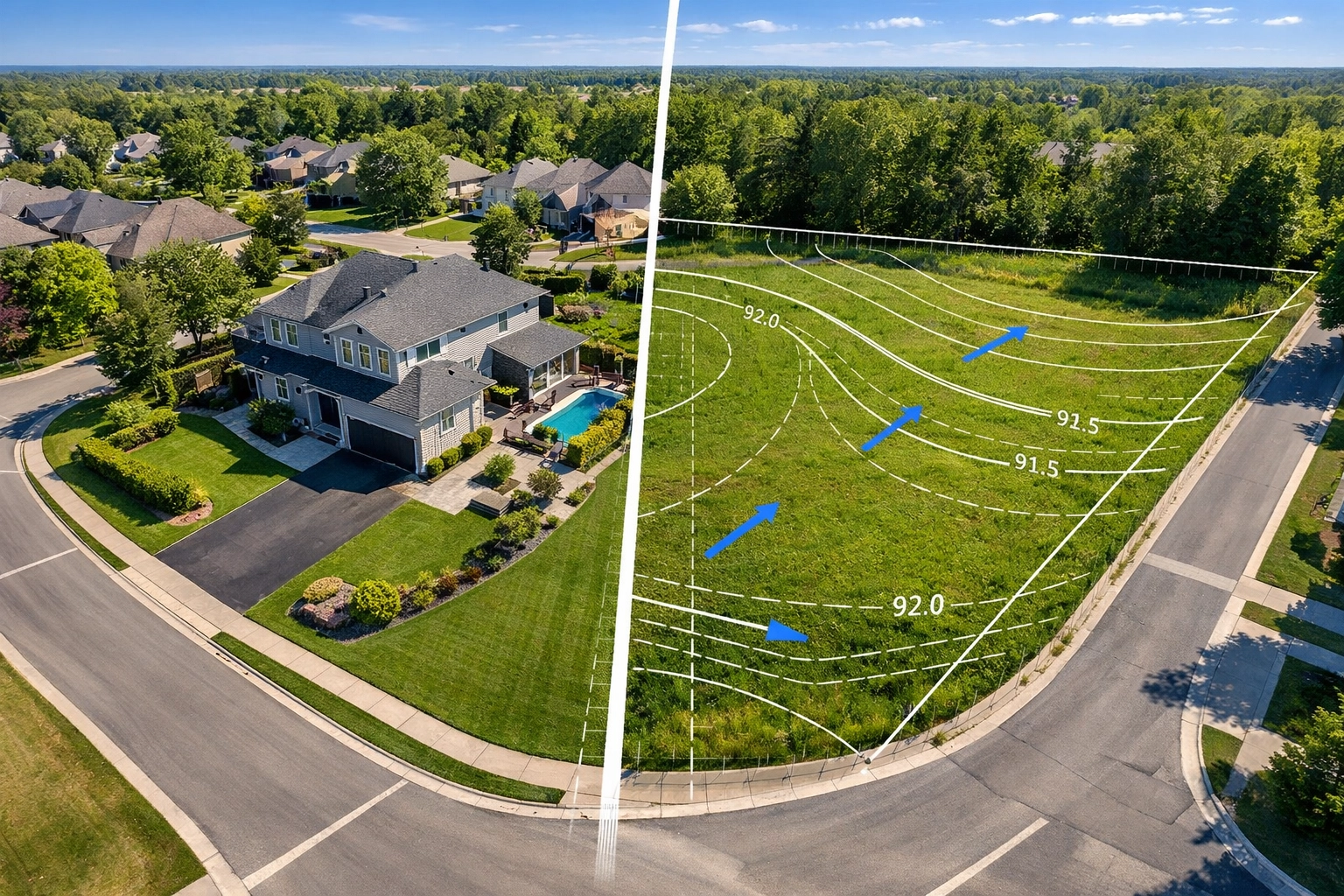
Severance (also known as "Consent") is the process of splitting one property into two or more separate parcels. This is the "Equity Play."
Why Severance Wins on Equity
The ROI for severance is often realized faster than a multiplex. You aren't necessarily building anything; you are creating land value where it didn't exist before. In high-demand areas across Ontario, a severed lot can often sell for 60-70% of the original property’s value while you retain the original home on the other half.
The Engineering Reality of Severance
Severance is technically more complex than a multiplex conversion because you are creating a brand-new legal entity that requires its own independent services.
- Independent Servicing: Each new lot must have its own water and sewer connections. You cannot "piggyback" off the existing house. This often involves cutting into the municipal road, which requires a detailed site servicing plan.
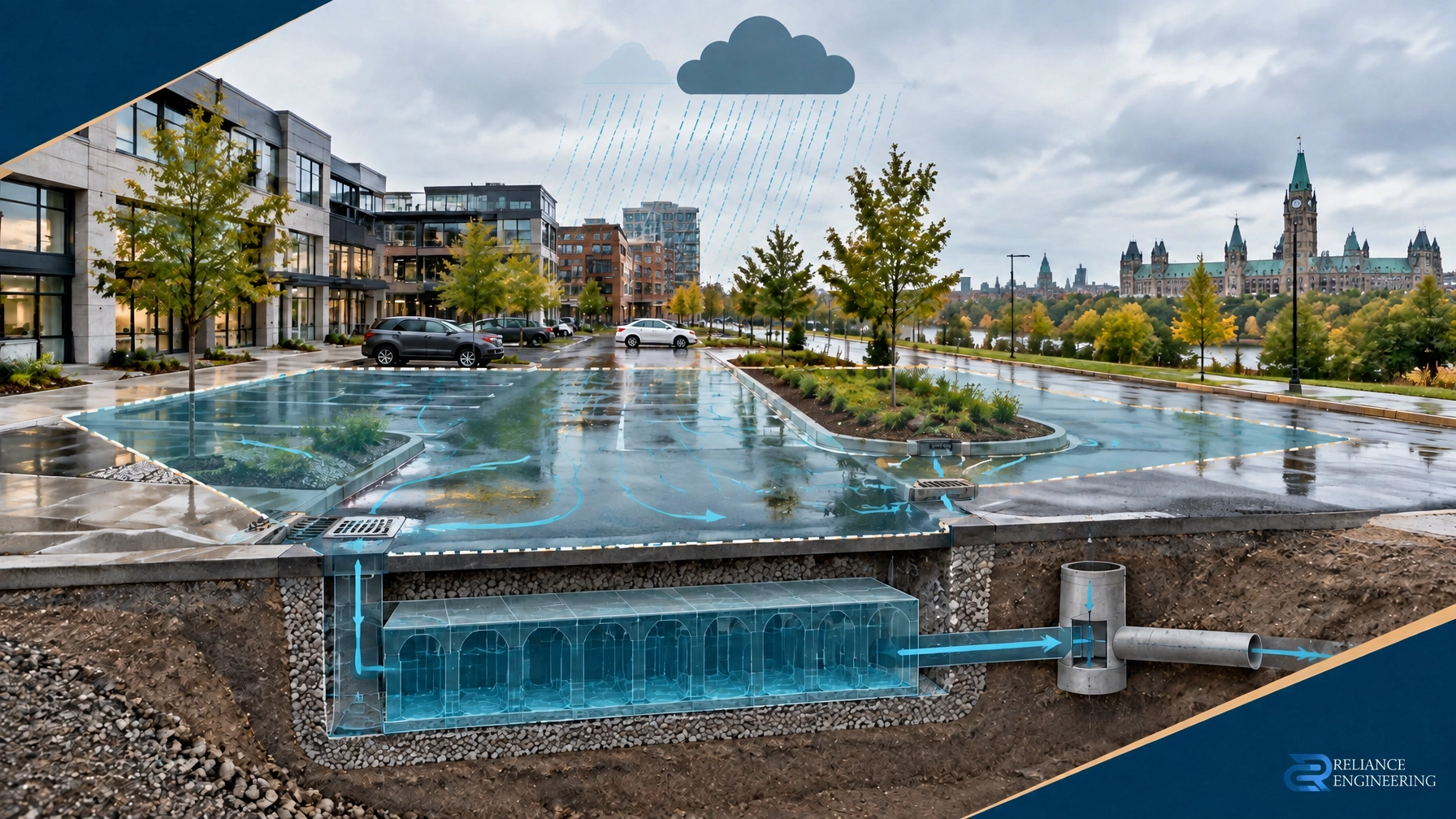
- Stormwater Management (SWM): In 2026, municipalities are stricter than ever about runoff. You must demonstrate that the new lot won't contribute to downstream flooding. A Stormwater Management Report is almost always a condition of severance.
- Grading and Drainage: You must prove that both the retained lot and the severed lot drain independently and safely.
Multiplex vs. Severance: A Direct Comparison
| Feature | Multiplex Strategy (4-5 Units) | Severance Strategy (Lot Split) |
|---|---|---|
| Primary Goal | High Monthly Cash Flow | Instant Equity / Capital Gains |
| Approval Path | Site Plan Approval (SPA) | Committee of Adjustment (Consent) |
| Engineering Focus | Internal Servicing Capacity & FSR | New External Connections & SWM |
| Construction Cost | High (Full build or major Reno) | Low (If selling vacant lot) |
| Timeline | 12–24 Months | 8–15 Months |
| Risk Factor | Construction cost overruns | Municipal refusal of consent |
How Proper Engineering Makes or Breaks Your ROI
Investors often treat engineering as a "checkbox" at the end of the process. This is a mistake that kills ROI.
If you buy a property for a 5-plex conversion only to find out the municipal sewer line is at capacity, your project is stalled indefinitely. If you plan a severance but the lot grading requires a $50,000 retaining wall you didn't budget for, your profit margin vanishes.
The Power of the Site Grading Plan
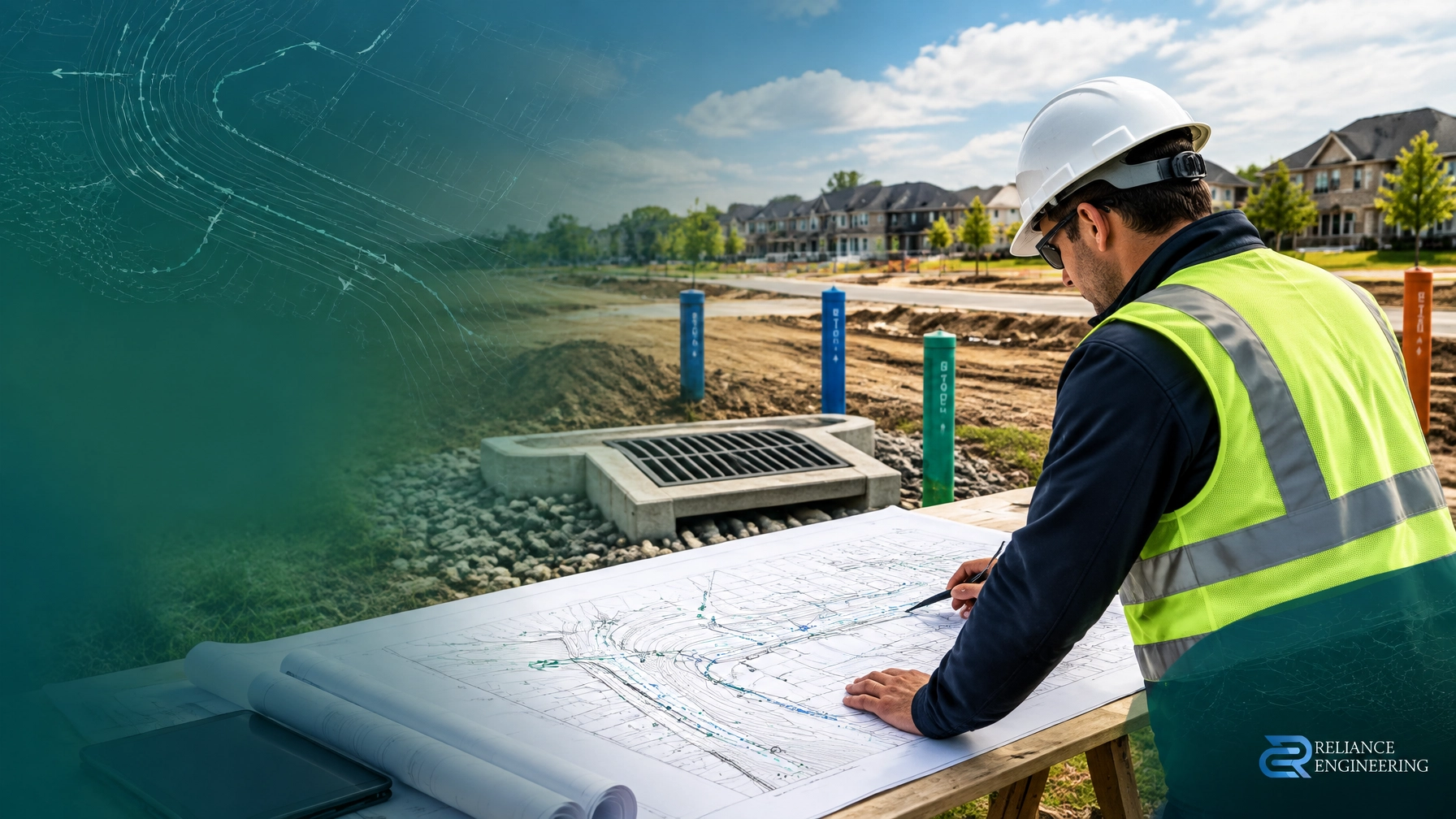
Whether you are building up or splitting out, water is your biggest enemy. Municipalities across Ontario will not issue a building permit without an approved Lot Grading Plan. Precision matters. A plan that gets rejected three times adds months of carrying costs to your project.
Erosion and Sediment Control
For larger 5-plex builds or multi-lot severances, the city will demand an Erosion and Sediment Control Plan. This ensures that during your construction, you aren't dumping silt into the municipal storm system. It seems like a minor detail until you face a $10,000 fine from the city.

2026 Market Trends: The "Garden Suite" Hybrid
One strategy that is outperforming both pure multiplexes and pure severances in 2026 is the Multiplex + Garden Suite combo. By taking a lot, converting the main house into a 4-plex, and adding a detached garden suite, investors are hitting 5 units without the legal complexity of a severance.
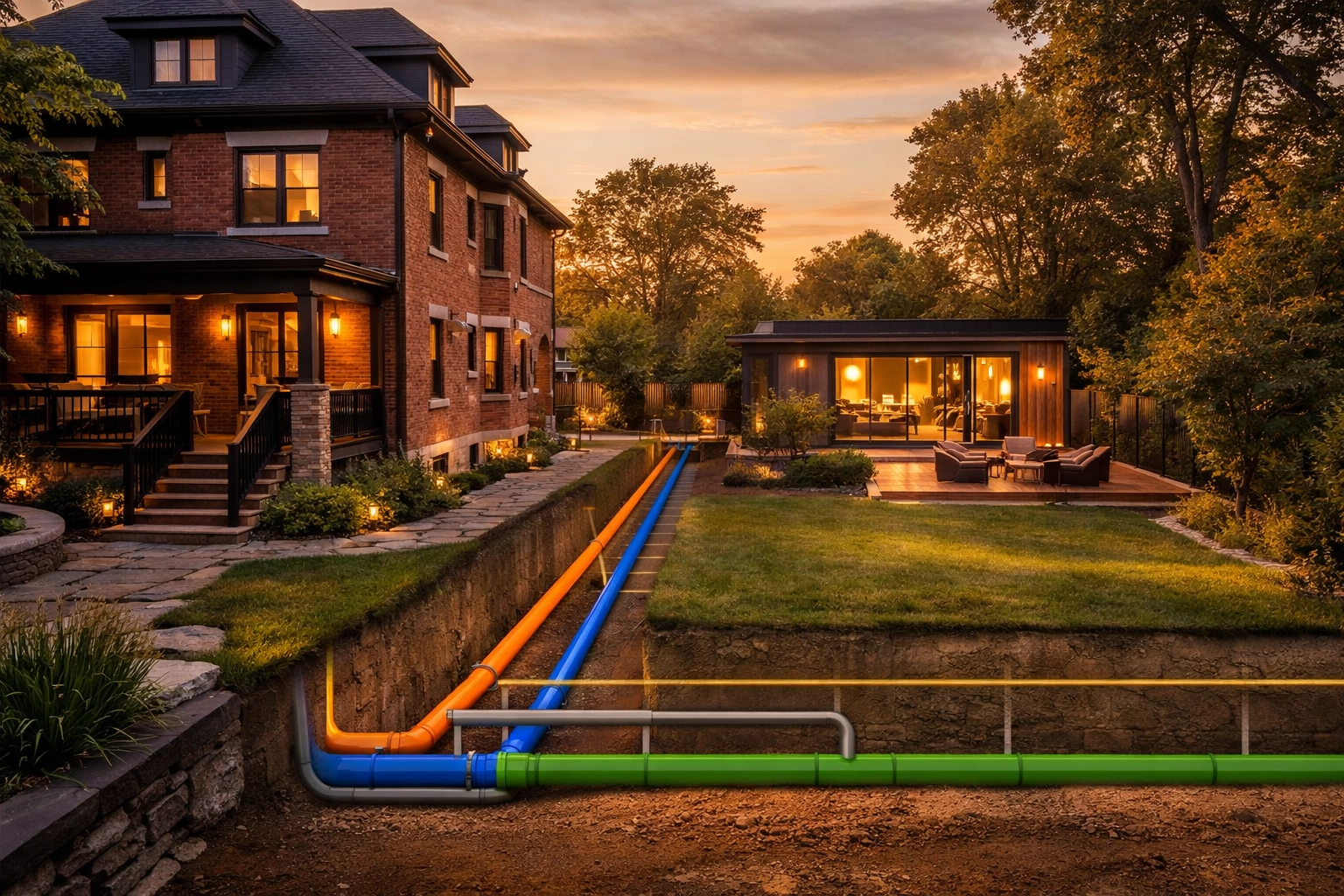
This requires expert Garden Suite Approval and meticulous planning for underground services to ensure the backyard unit has sufficient water pressure and proper drainage.
The Verdict: Which Pays More?
- Choose Multiplex ROI if: You want long-term wealth, high rental yields, and you have the capital to fund a major construction project. It is the best "buy and hold" strategy for 2026.
- Choose Severance ROI if: You want to "velocity" your capital. Create the lot, add value through approvals, and either sell the vacant lot or build a single-family home to flip.
Regardless of the path, your ROI is dictated by the speed of your approvals. In 2026, the bottleneck isn't the bank or the contractor: it’s the engineering approval at City Hall.
Why Reliance Engineering?
At Reliance Engineering, we specialize in the "Missing Middle." We don't just draw plans; we design solutions that get approved. From Detailed Stormwater Management Reports to complex FSRs, we ensure your project moves from the drawing board to the construction site without unnecessary delays.
We understand that for an investor, time is literally money. Our goal is to provide permit-ready plans that minimize municipal "back-and-forth" and maximize your buildable area.
Contact Information
Reliance Engineering
Naresh Ochani, P.Eng. M.Eng.
Founder and Principal
Address: 6850 Millcreek Dr, Mississauga, ON L5N 2H4
Phone: 647-385-6418
Email: [email protected]
Website: www.relianceengineering.ca
Office Hours:
- Saturday: 12:00 PM – 2:00 PM
- Sunday: Closed
- Monday – Friday: 9:00 AM – 5:00 PM
Ready to maximize your property's ROI? Contact us today for a consultation on your next multiplex or severance project across Ontario.