The landscape of Ontario real estate has shifted. If you are holding onto a single-family lot in the GTA or across Ontario, you are sitting on a potential goldmine. Thanks to "Missing Middle" housing policies and recent legislative changes, the path to converting a standard residential lot into a high-yield 4-plex has never been clearer.
But here is the reality: zoning is only half the battle. While the province says you can build, your local municipality and the laws of physics determine if you will. At Reliance Engineering, we see investors lose months of time and thousands of dollars because they overlooked the "secret sauce" of multi-unit development: Site Grading and Servicing Plans.
In this guide, we break down how to navigate the 4-plex conversion process to maximize your ROI and ensure your project doesn't get stuck in the red tape of City Hall.
Why 4-Plexes Are the New Standard for Investors
The math is simple. One property tax bill, one land acquisition cost, but four streams of rental income. In a market like Toronto, Mississauga, or Brampton, the demand for "missing middle" housing: units larger than a condo but more affordable than a detached home: is insatiable.
By converting a single-family home into a 4-plex, you significantly lower your risk. If one tenant moves out, you still have 75% of your income flowing. However, to reach that finish line, you need a technical strategy that addresses the increased load on the land.
The Technical Foundation: Site Grading and Servicing
When you move from one family to four, you aren't just adding walls; you are quadrupling the demand on water, sewer, and the land's ability to handle runoff. This is where most projects fail. You cannot simply "plug in" three more units to a 50-year-old clay pipe.
1. The Functional Servicing Report (FSR)
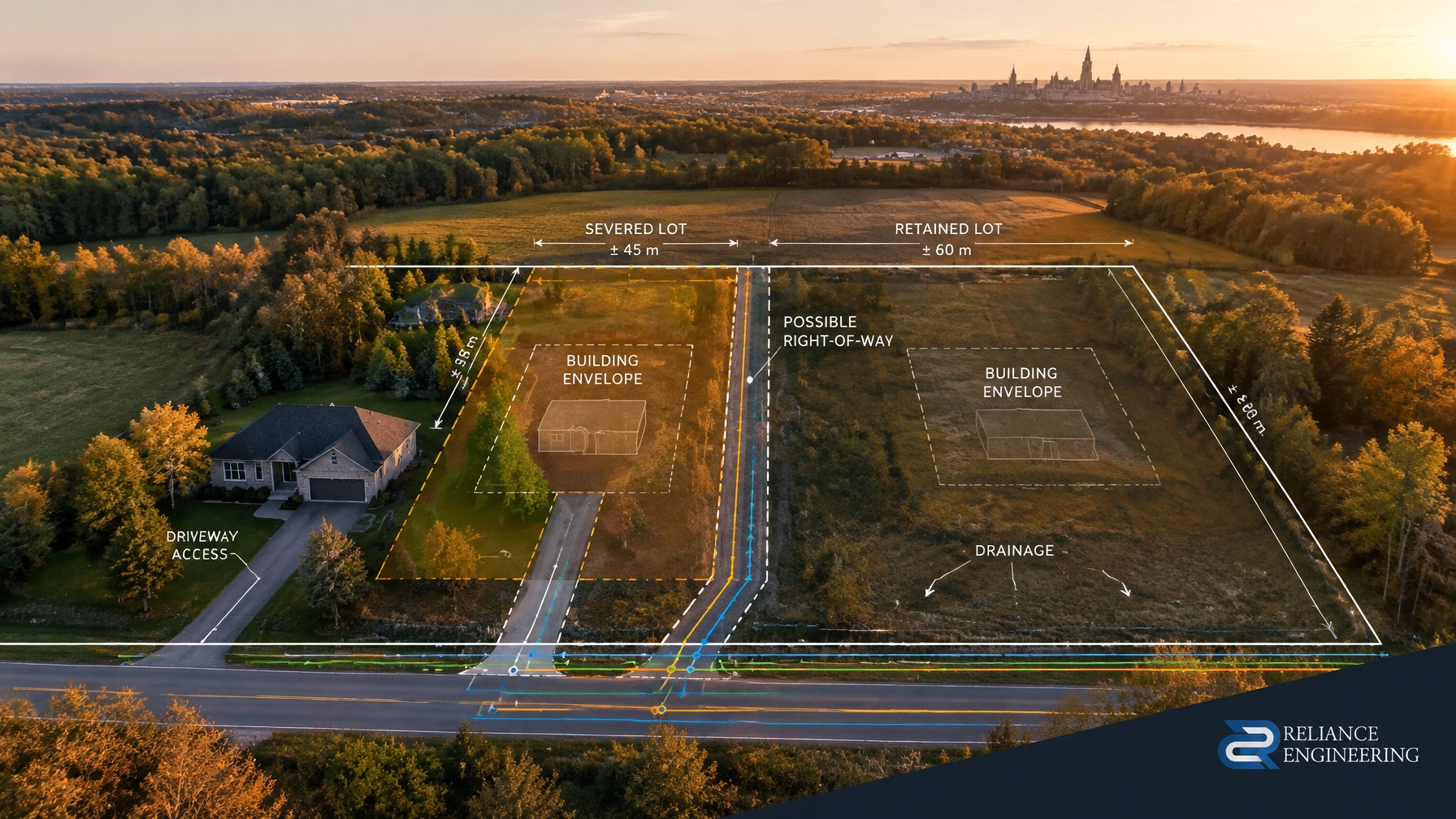
Before you start picking out kitchen tiles, you need to know if the municipal pipes can handle your 4-plex. A Functional Servicing Report is mandatory. It evaluates existing water pressure and sanitary sewer capacity. If the city’s infrastructure is at its limit, your 4-plex conversion could require expensive upgrades: knowing this early protects your ROI.
2. Precision Site Grading
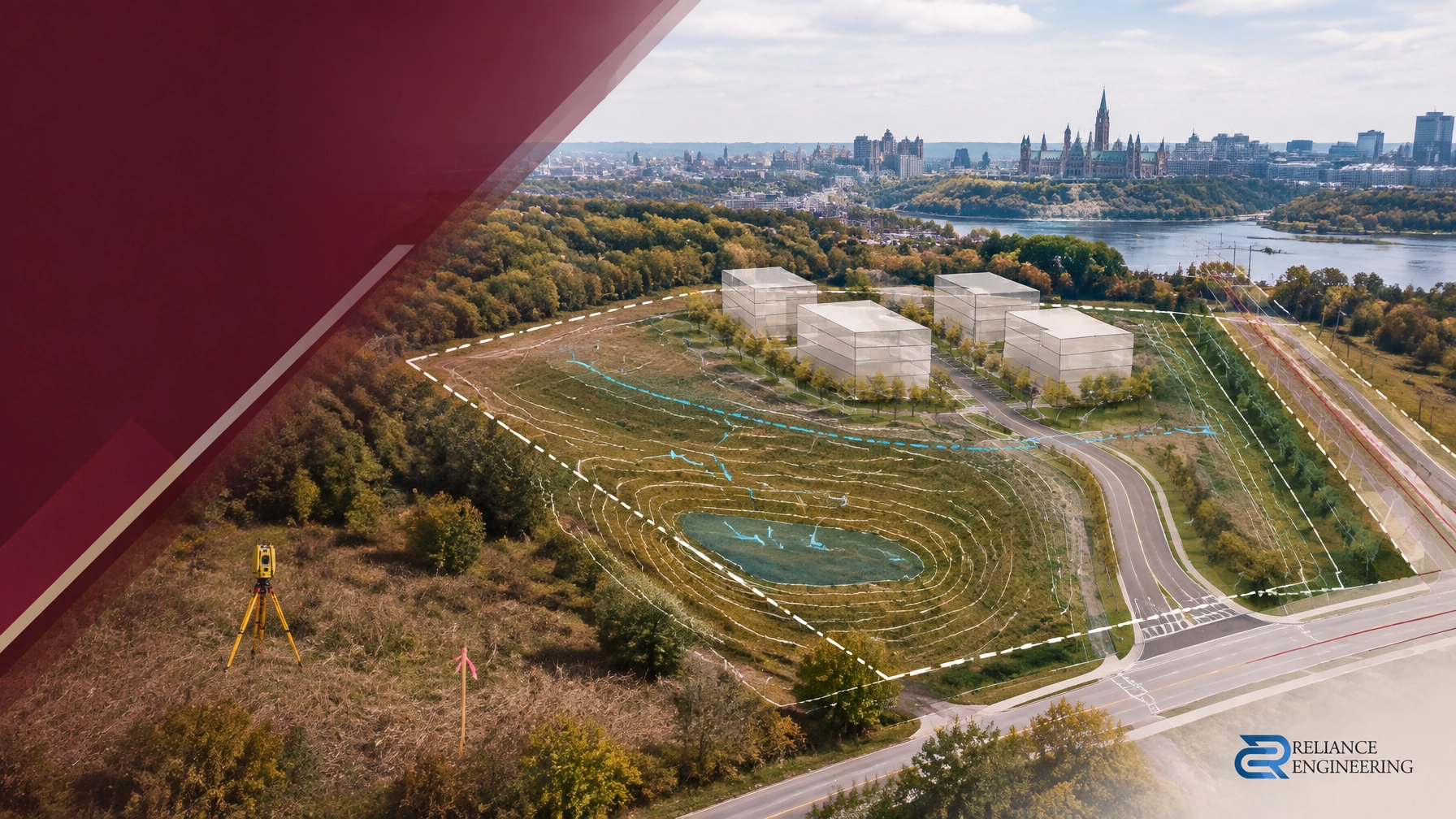
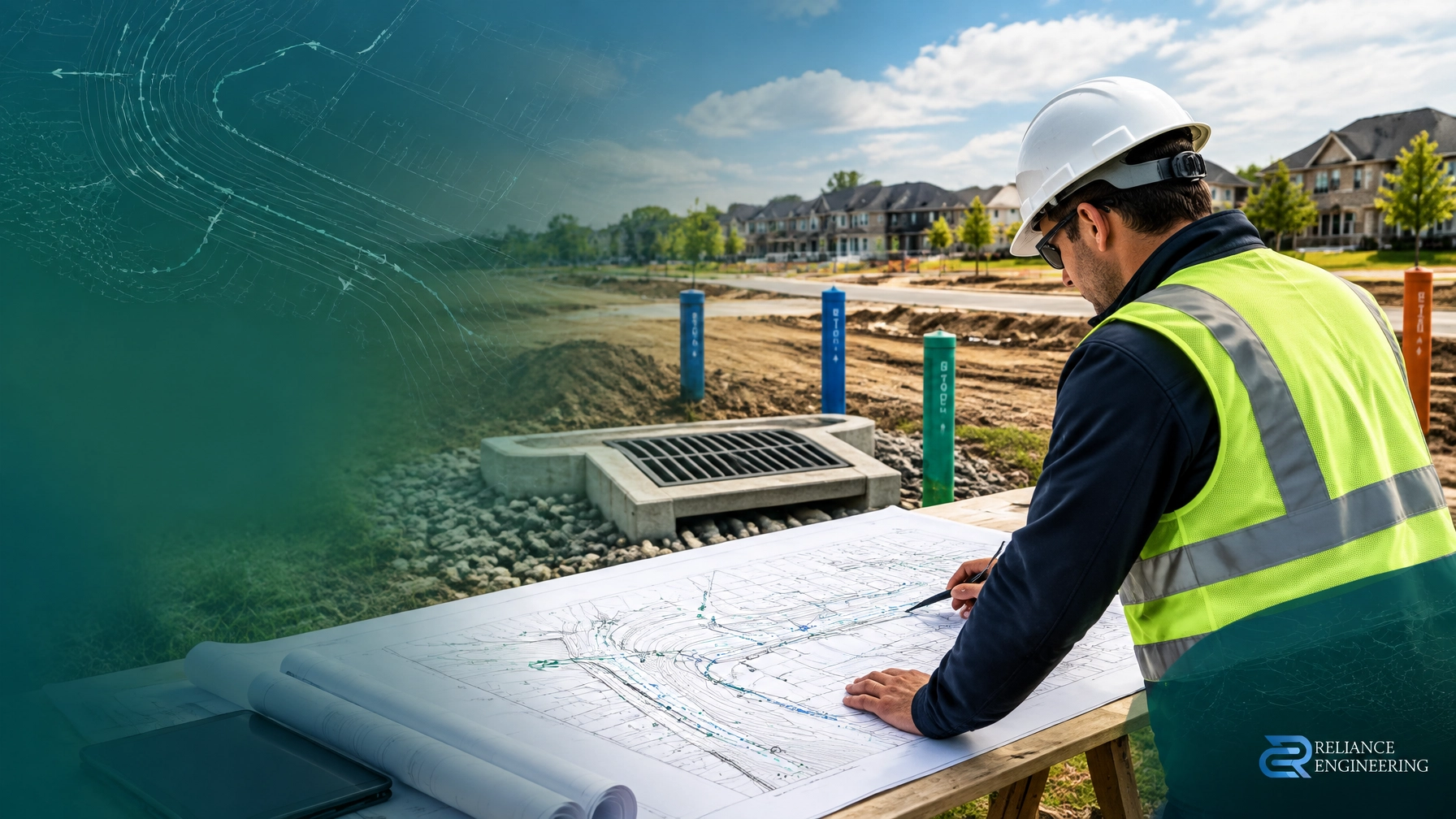
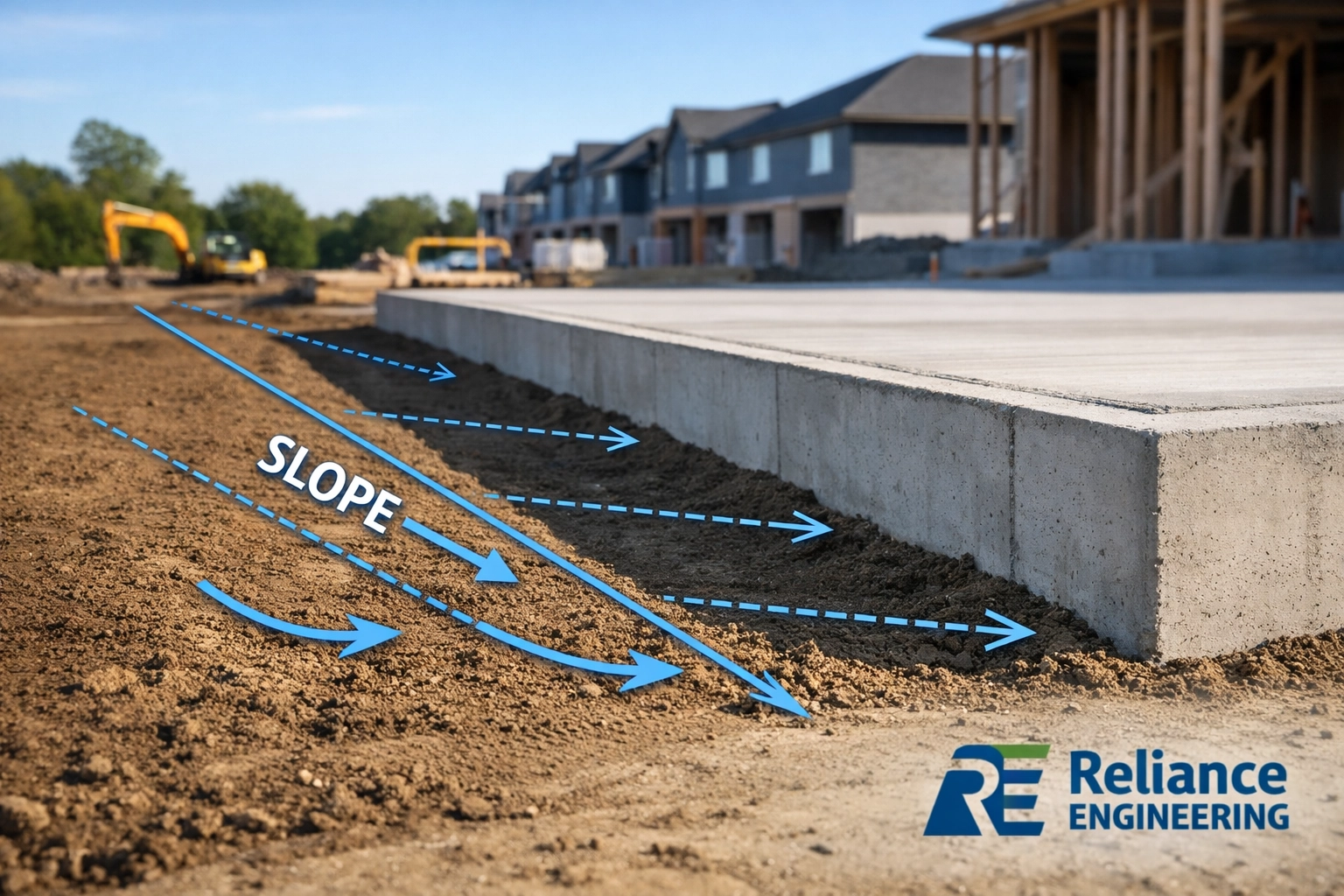
With more units often comes a larger footprint or additional paved areas for parking. This changes how water flows across your property. If your grading is off, you risk flooding your own basement or, worse, your neighbor's. Municipalities are extremely strict about this. We’ve seen many rejections due to poor slopes. To avoid this, check out our guide on how to get your lot grading approved in one submission.
Navigating Ontario’s New Zoning Realities
Ontario's push for density has streamlined the site plan approval process, but "as-of-right" does not mean "anything goes." You still must comply with:
- Setback Requirements: How close you can build to the property line.
- Lot Coverage: How much of the land can be covered by buildings.
- Tree Protection: A single protected oak tree can kill a 4-plex design if not planned for early.
For a deeper dive into these regulations, read our analysis on Ontario’s new zoning and multi-unit conversions.
Stormwater Management: The 2026 Standards
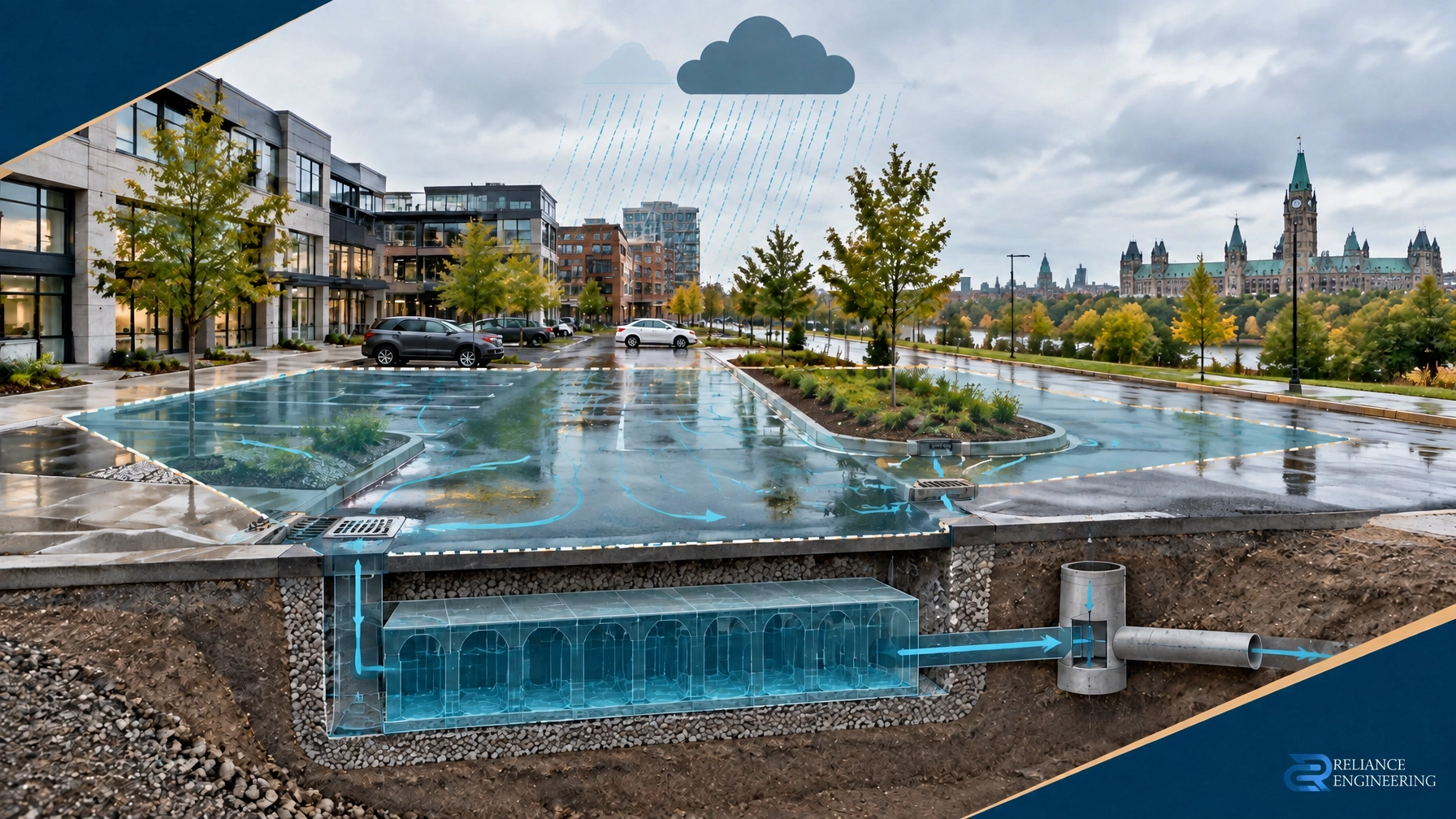
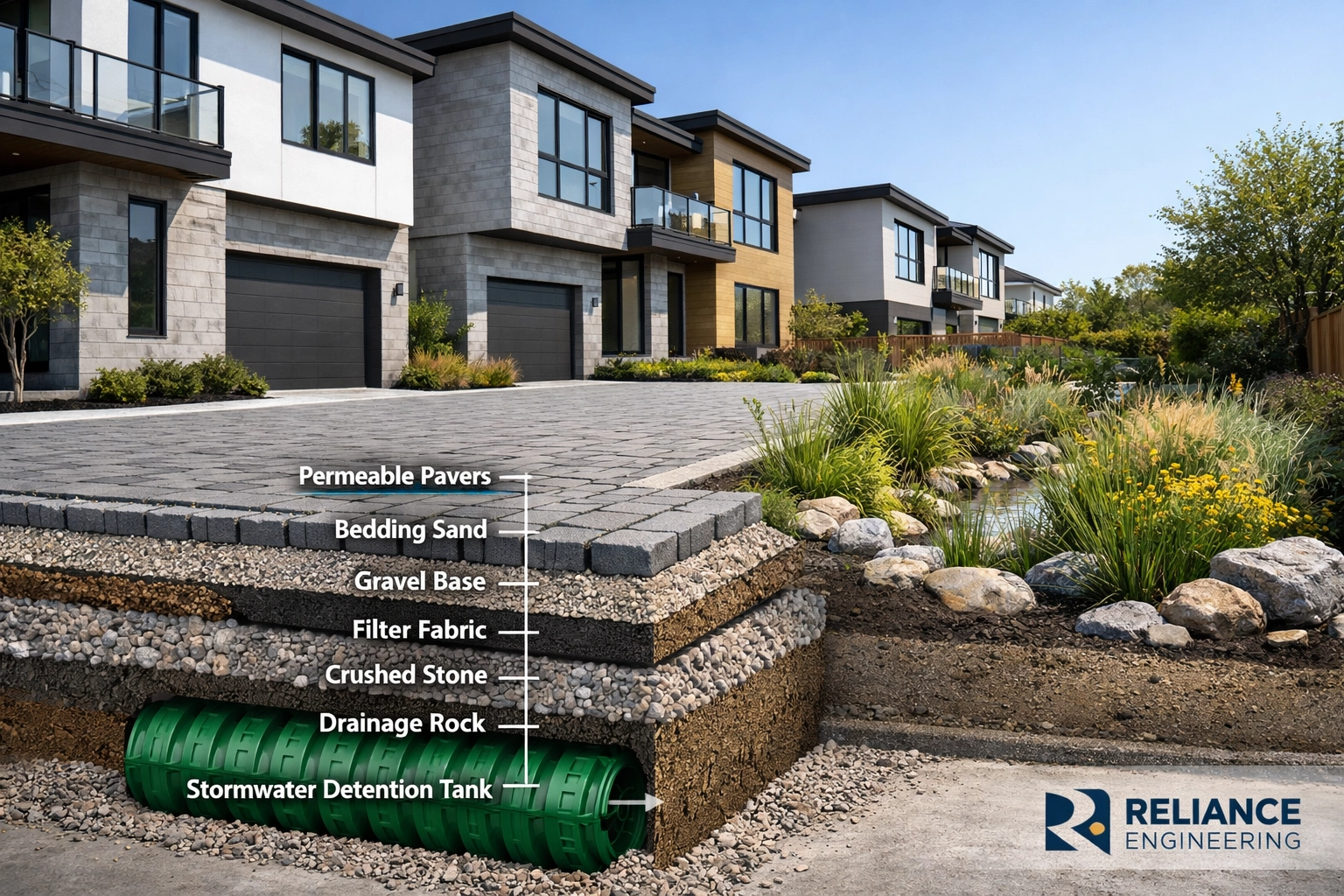
As we move into 2026, the standards for Stormwater Management (SWM) have become more rigorous. Small-scale developments like 4-plexes are now often required to implement Low Impact Development (LID) features. This might include permeable pavers, infiltration trenches, or dry wells to manage rainwater on-site.
Why does this matter? Because a precise SWM report is now a gatekeeper for your building permit. If you don't account for the increased impervious surface of a larger building, the city will not let you break ground.
Avoiding the "Basement Rejection" Trap
Many 4-plex designs involve basement apartments. These are high-value units, but they are also the most prone to engineering failure. If your site grading plan isn't perfect, heavy rain will find its way into those lower units. We see this mistake constantly. Learn how to avoid basement flooding rejections before you finalize your architectural drawings.
Speed to Market: The Reliance Engineering Advantage
In land development, time is quite literally money. Every month spent in the "back-and-forth" with city reviewers is a month of lost rent and mounting interest.
Our approach at Reliance Engineering is focused on First-Time Approval. We provide:
- Detailed Site Grading Plans: Ensuring every drop of water has a designated path.
- Site Servicing Plans: Coordinating water and sewer connections for all four units.
- Erosion and Sediment Control: Keeping your site compliant during the construction phase.
Whether you are looking at a garden suite addition or a full 4-plex teardown and rebuild, the engineering must come first.

Conclusion: Take the Lead on the Missing Middle
The 4-plex conversion is the single greatest opportunity for Ontario homeowners and investors to build wealth in the current market. By focusing on professional servicing and grading from day one, you turn a complex regulatory hurdle into a streamlined path to profit.
Don't let a "simple" grading error derail your high-ROI project. Work with engineers who understand the Ontario municipal landscape.
Contact Information
Reliance Engineering
Naresh Ochani, P.Eng. M.Eng.
Address: 6850 Millcreek Dr, Mississauga, ON L5N 2H4
Phone: 647-385-6418
Email: [email protected]
Office Hours:
- Saturday: 12:00 PM – 2:00 PM
- Sunday: Closed
Ready to start your 4-plex journey? Reach out to us today for a consultation on your site grading and servicing needs. We help builders across Ontario get their permits faster.
Metadata
Title: 4-Plex Goldmine: Turning Your Single-Family Home into a High-ROI Multiplex | Reliance Engineering
Description: Learn how to maximize ROI with 4-plex conversions in Ontario. Expert advice on site grading, servicing plans, and navigating Missing Middle policies.
Keywords: 4-plex conversion Ontario, Multiplex ROI, Site Grading Plan, Servicing Plan, Land Development Consulting, Missing Middle Housing, Naresh Ochani.