Ontario is currently in the middle of a housing revolution. With the push for higher density, converting a single-family home into a 4-plex has become one of the most lucrative strategies for property owners and developers. However, "as-of-right" zoning doesn't mean "automatic approval."
At Reliance Engineering, we’ve spent over 20 years navigating the complexities of Ontario’s regulatory landscape. We see the same mistakes over and over, mistakes that lead to six-figure cost overruns and years of delays.
If you are planning a multi-unit conversion, here are the seven critical mistakes you are likely making and exactly how to fix them before you submit your first drawing.
1. Underestimating Fire Separation and OBC Requirements
Many owners assume that the standards for a secondary suite (basement apartment) apply to a 4-plex. They don’t. Once you move into the territory of four units, you are dealing with much more stringent Ontario Building Code (OBC) requirements.
The Mistake: Using standard drywall and assuming it meets fire-rating needs between units and mechanical rooms.
The Fix: You need a minimum of 45-minute to 1-hour fire-resistance ratings for floor and wall assemblies. This often requires specialized materials and specific assembly methods.
Pro Tip: Work with a code consultant or a professional engineer early. Retrofitting fire separation after the walls are up is a financial nightmare.
2. Ignoring the Functional Servicing Report (FSR)
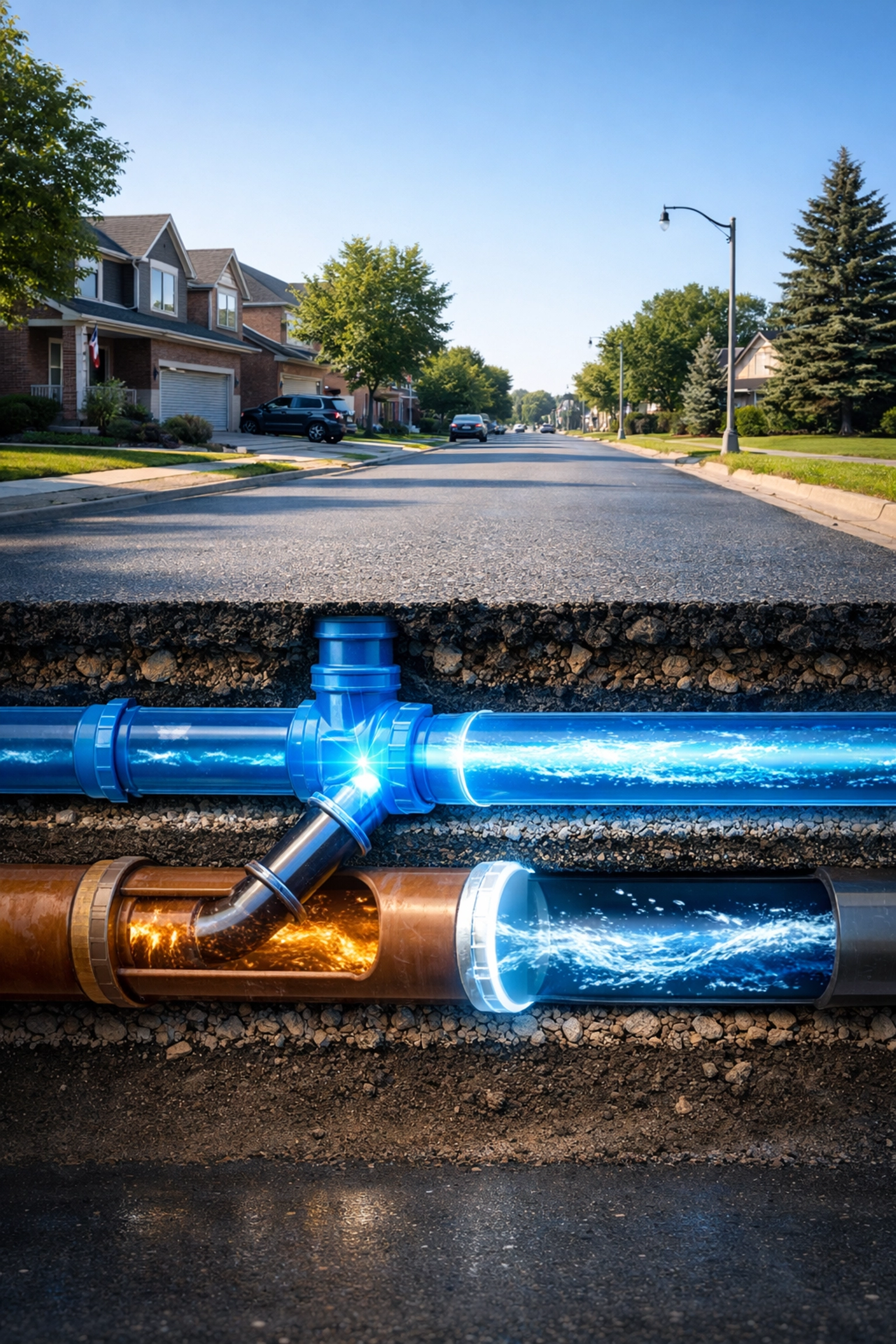
You are quadrupling the density of your lot. The existing 1/2-inch or 3/4-inch water service that served one family will not support four kitchens and four to eight bathrooms.
The Mistake: Assuming the existing municipal connections are sufficient.
The Fix: You need a Functional Servicing Report (FSR). This report calculates the increased water demand and sanitary flow.
Why it matters: If the city determines the local infrastructure can't handle your 4-plex, you might be responsible for costly external upgrades. Getting this report done early identifies these "deal-breakers" before you buy or start construction.
3. Poor Site Grading and Stormwater Management
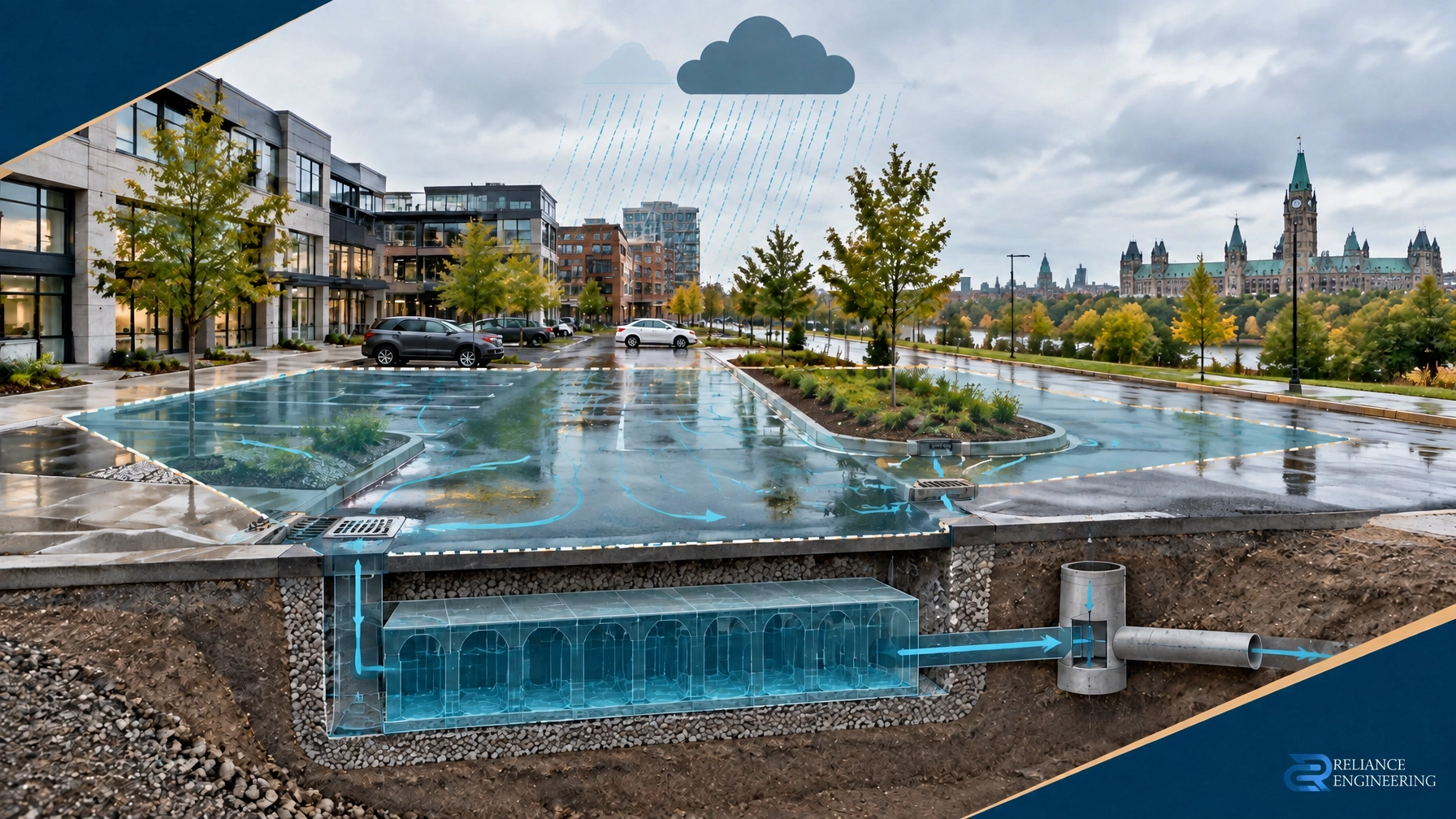
Adding three extra units often involves additions, new entrances, or increased paved areas for parking. This changes how water flows across your property.
The Mistake: Focusing only on the interior and ignoring how the exterior handles rain.
The Fix: You need a professional Site Grading Plan. In Ontario, you cannot change the grade of your land in a way that sheds water onto your neighbor's property.
The SWM Factor: Many municipalities now require a Stormwater Management (SWM) Report even for small multi-unit conversions. You may need to implement Low Impact Development (LID) features like soakaway pits or permeable pavers to keep runoff managed on-site.
4. Failing to Plan for Compliant Egress
In a single-family home, if there's a fire, you run out the front door. In a 4-plex, you have four different families who all need clear, unobstructed, and fire-protected paths to safety.
The Mistake: Designing units that rely on "shared" exits that don't meet width or fire-rating standards.
The Fix: Every unit must have compliant egress. This means specific window sizes for bedrooms (egress windows) and specific stair widths.
The Impact: We often see beautiful architectural designs that get rejected because the exit stairs are 2 inches too narrow. Check the OBC standards for "Part 11" renovations or "Part 9" buildings specifically for multi-unit residential.
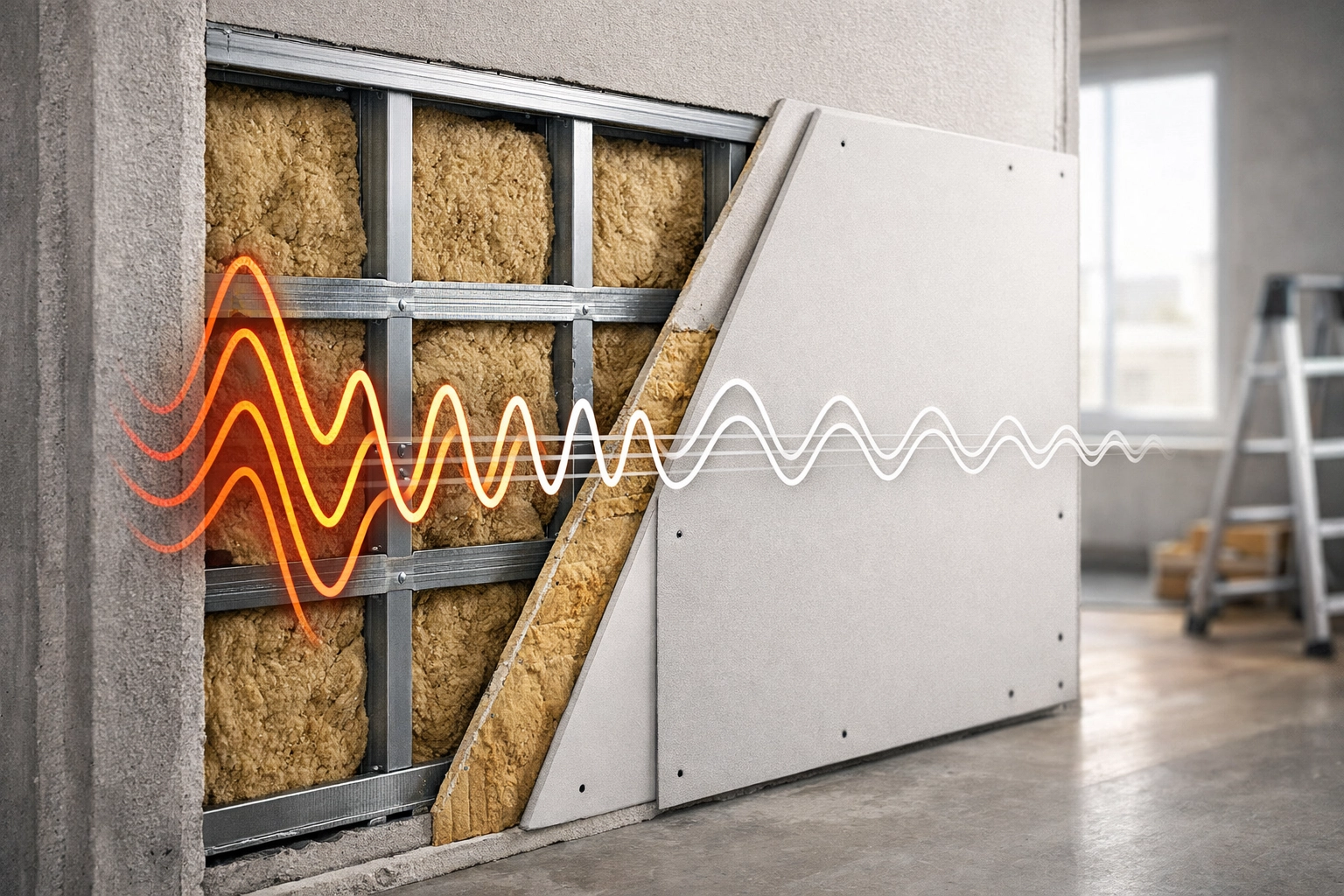
5. Neglecting Sound Separation (STC Ratings)
Nothing kills the value of a rental property faster than noise complaints. If Tenant A can hear Tenant B’s television, you’re going to have high turnover.
The Mistake: Meeting only the bare minimum Sound Transmission Class (STC) rating of 50.
The Fix: Aim for an STC of 55 or higher. Use resilient channels, acoustic insulation (like Rockwool), and double-layer drywall with Green Glue.
Strategic Design: Stack "wet" rooms over "wet" rooms. Don't put a second-floor kitchen directly over a first-floor bedroom. Smart layout design is the cheapest form of soundproofing.
6. Forgetting Utility Separation and Metering
Who pays for the heat? Who pays for the hydro? If you don't separate these during the "gut" stage of the renovation, you are stuck paying the bills for all four units, which destroys your CAP rate.
The Mistake: Keeping a single master meter for the whole building.
The Fix: Install separate electrical panels and hydro meters for each unit. For water, consider sub-metering systems.
The Engineering Angle: This requires coordination with local utilities (like Alectra, Toronto Hydro, or Hydro One). These applications can take months. Start the utility coordination at the same time you apply for your Site Plan Approval.
7. Thinking "As-of-Right" Means No Site Plan Approval
While the province has mandated that municipalities allow up to four units, many cities still trigger the Site Plan Approval (SPA) process if the exterior of the building is changing significantly or if the "use" is being intensified.
The Mistake: Applying for a building permit without checking if SPA is required first.
The Fix: Check with the local planning department. SPA is a much more rigorous process than a simple building permit. It involves:
- Erosion and Sediment Control Plans.
- Detailed Site Servicing Plans.
- Landscaping and lighting reviews.
Skipping this step can lead to an immediate "stop-work" order and thousands of dollars in fines.
Why Engineering Precision Matters
A 4-plex conversion is a high-stakes engineering project. At Reliance Engineering, we specialize in the technical side of land development that architects and contractors often overlook. From ensuring your lot grading plan doesn't flood the basement to getting your LID design approved, we provide the data the City needs to say "Yes."
Don't let a simple grading error or an undersized sewer pipe derail your investment.
Contact Information
If you’re ready to start your 4-plex conversion project in Ontario, reach out to the experts. We provide permit-ready plans and 20+ years of municipal approval expertise.
Reliance Engineering
Naresh Ochani, P.Eng. M.Eng.
Founder and Principal
Address: 6850 Millcreek Dr, Mississauga, ON L5N 2H4
Phone: 647-385-6418
Email: [email protected]
Website: www.relianceengineering.ca
Office Hours:
- Saturday: 12:00 PM – 2:00 PM
- Sunday: Closed
- Monday – Friday: 9:00 AM – 5:00 PM
Key Services for 4-Plex Conversions:
- Site Grading Plans: Ensuring proper drainage and compliance.
- Site Servicing Plans: Coordinating water, sanitary, and storm connections.
- Functional Servicing Reports (FSR): Proving infrastructure capacity.
- Stormwater Management Reports (SWMR): Managing runoff for intensified lots.
- Site Plan Approval (SPA) Coordination: Navigating the municipal red tape.
- Building Permits: Residential and ICI expertise.
The bottom line: In Ontario’s competitive market, the difference between a successful 4-plex and a failed project is the quality of your engineering. Get it right the first time. Reach out to Naresh Ochani and the team at Reliance Engineering today.