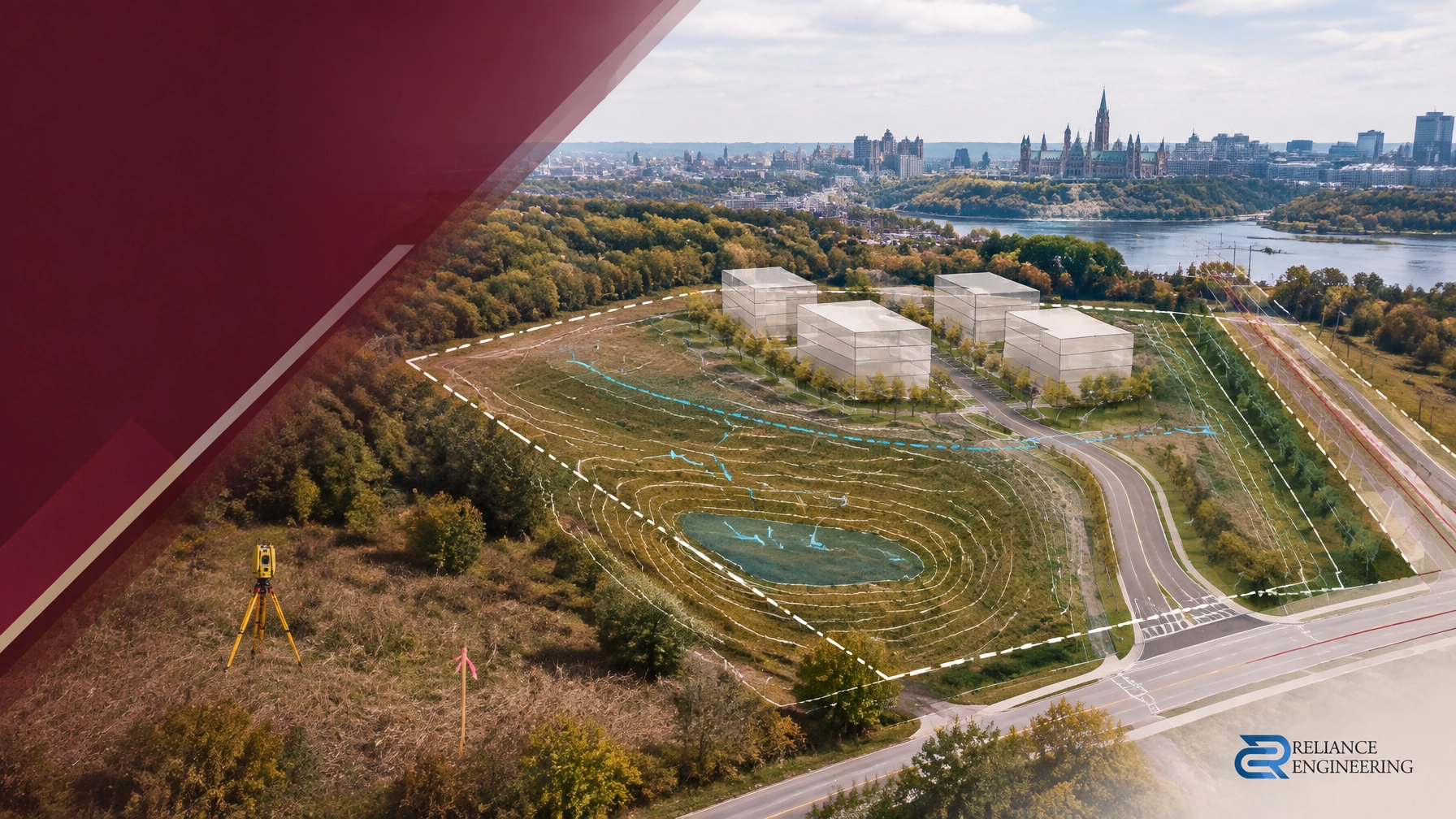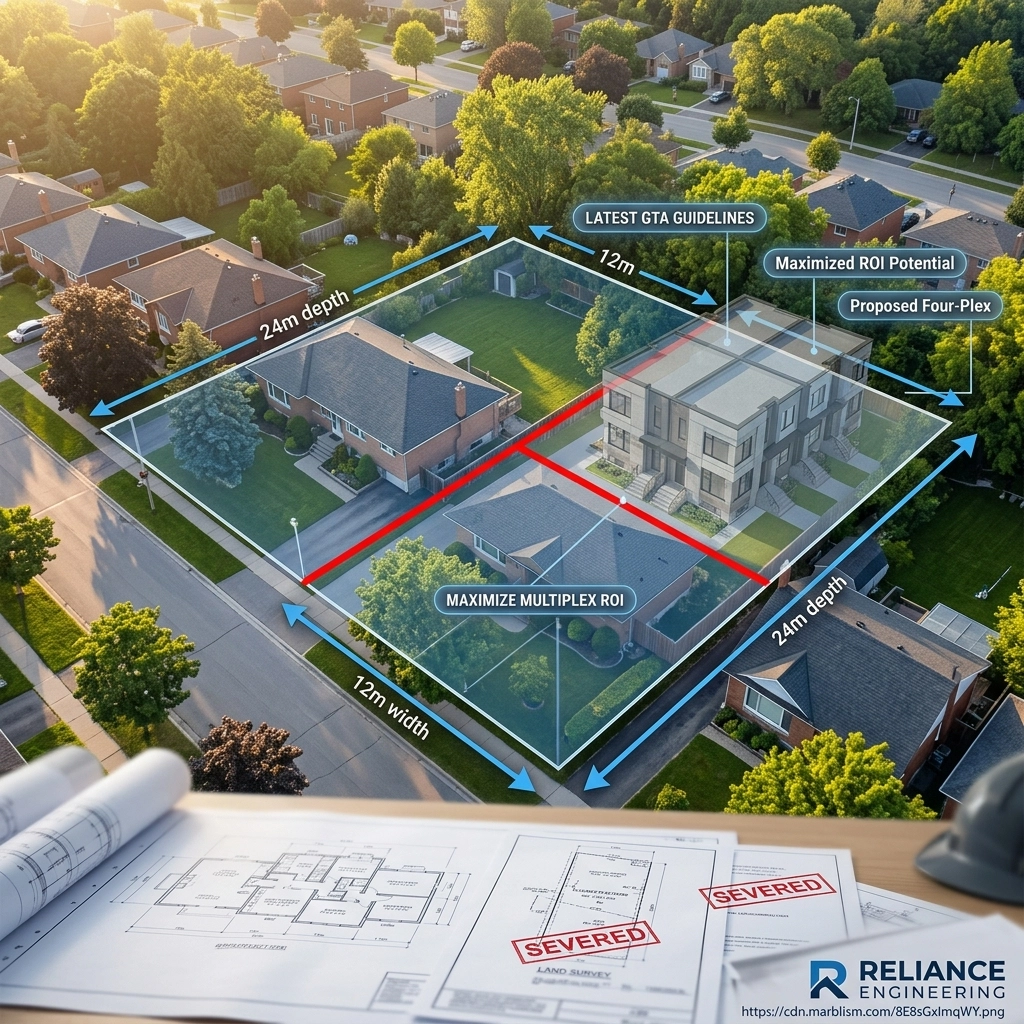
Land is the most expensive commodity in Ontario. If you own a large lot with a single-family home, you are sitting on a goldmine that is likely under-optimized. With the current housing crisis and the provincial push for "Missing Middle" housing, the path to high-yield returns has shifted. It is no longer just about "flipping" houses; it is about creating density.
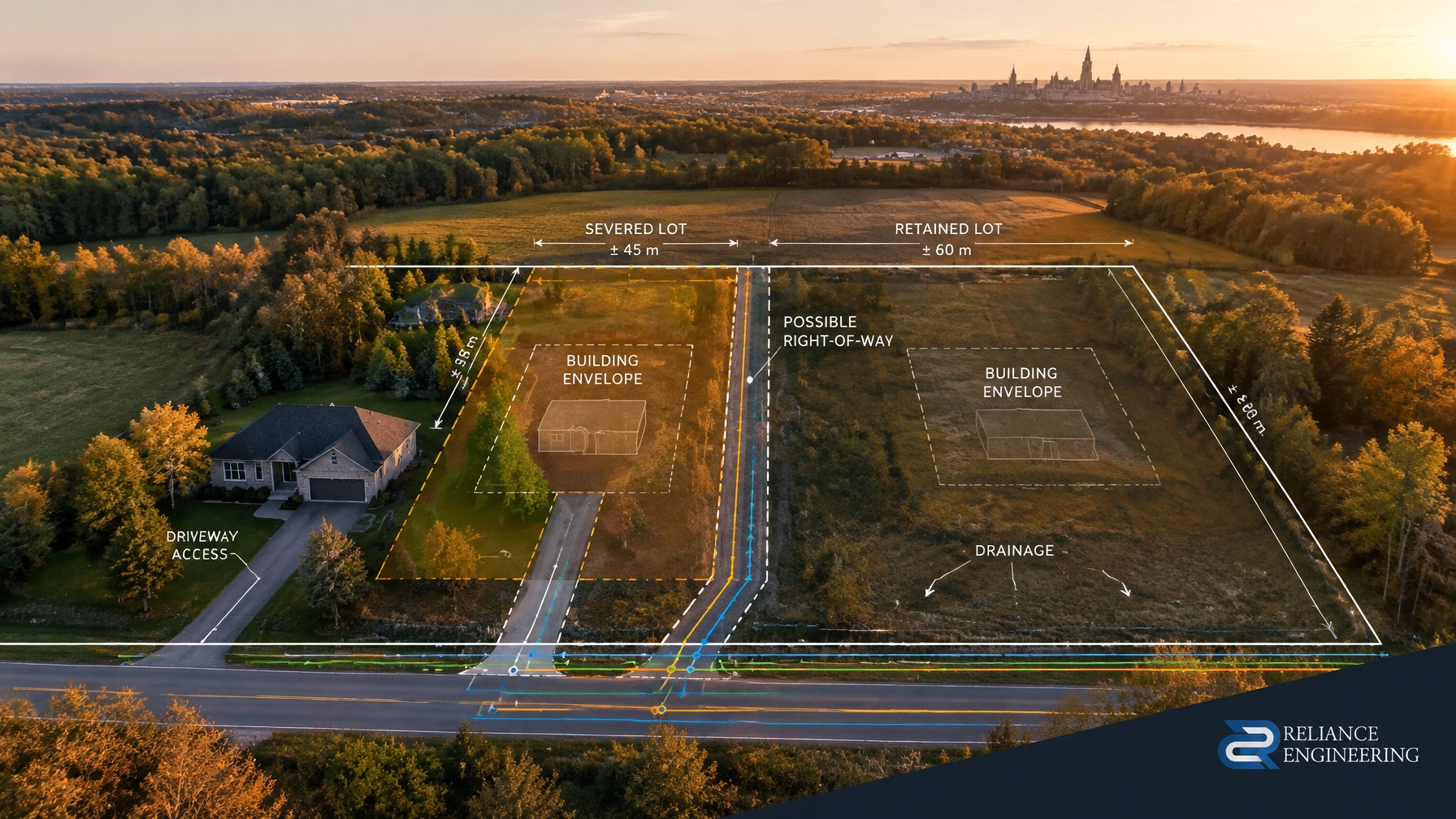
Severing your lot to create two separate parcels: and then building a 4-plex or 5-plex on each: is the ultimate ROI play for sophisticated investors. This strategy allows you to double your land value while providing much-needed rental stock. However, the process is technical. One wrong move with a site plan or a grading error can cost you hundreds of thousands in delays.
At Reliance Engineering, we specialize in the civil engineering required to make these projects happen. Here is your 5-step guide to severing your lot and maximizing your multiplex ROI across Ontario.
Step 1: Evaluate Zoning and Bill 23 Feasibility
Before you spend a dollar on a surveyor, you need to understand what is legally possible. Ontario’s More Homes Built Faster Act (Bill 23) has changed the game. In many municipalities, you can now build up to three units on a single residential lot by right. However, the real "pro" move is to sever the lot first.
Why sever? Because two lots mean two separate sets of development rights. Instead of one 4-plex, you could potentially have two.
What to look for:
- Frontage and Depth: Does the lot meet the minimum requirements for the local zoning by-law after it is split?
- Official Plan Designations: Is your property in a "Growth Area" or a "Major Transit Station Area"? These often allow for even higher density, such as 5-plexes or small apartments.
- Infrastructure Capacity: Can the existing municipal pipes handle the increased load? This is where Sanitary Sewer Design becomes critical.
If you skip this step, you risk buying a property that cannot be severed, or worse, a property where the city will refuse your multiplex application due to "lack of capacity."
Step 2: The Consent (Severance) Application
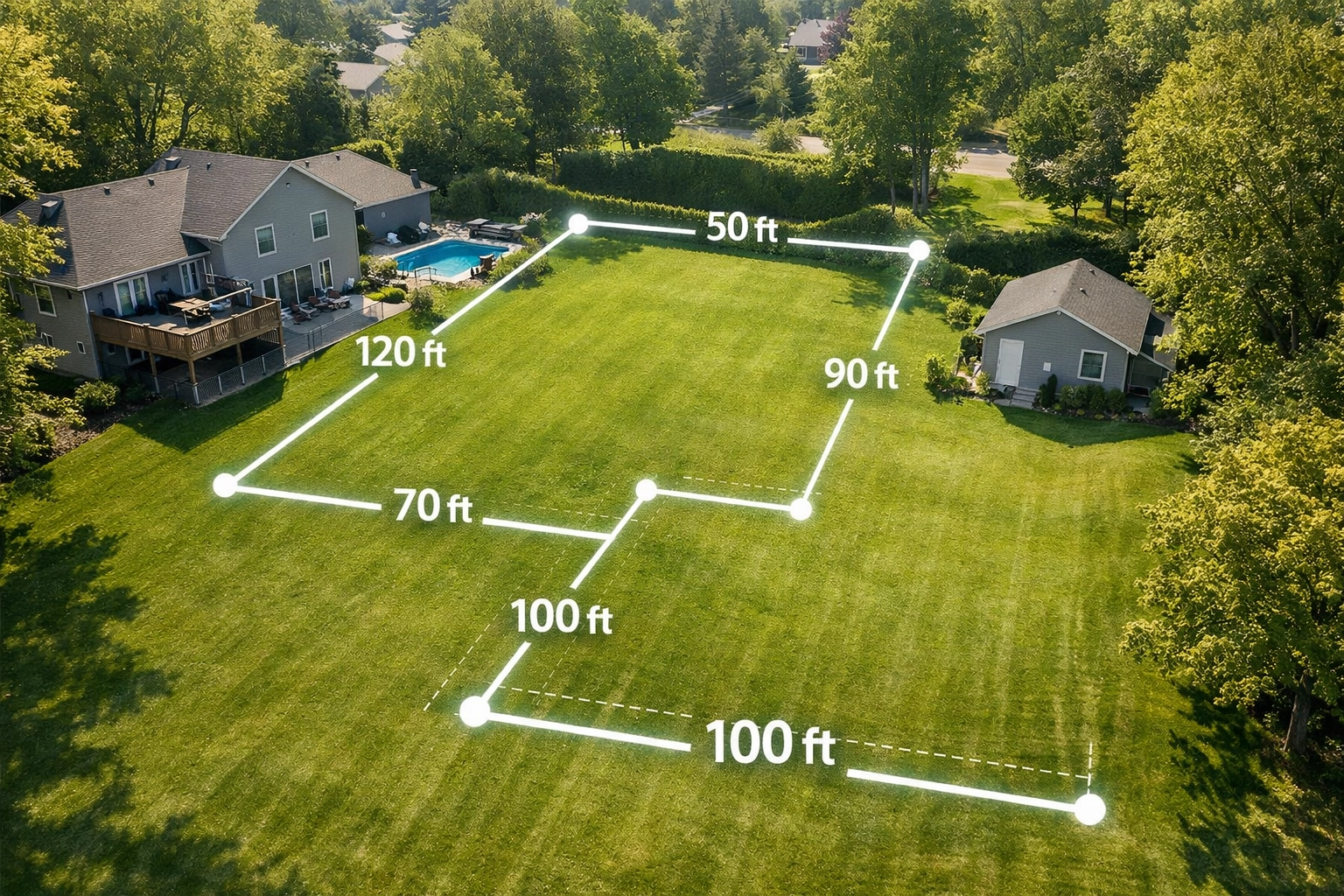
In Ontario, severing a lot is called a "Consent" application. You apply to the local Committee of Adjustment (CoA) or Land Division Committee. This is a public process where your neighbors can weigh in, and city planners will review your proposal.
To win at the CoA, your application must be professional. You aren't just asking for a line on a map; you are proving that the new lot is functional.
Key Requirements for Severance:
- A Draft Plan of Survey: Prepared by an Ontario Land Surveyor.
- A Planning Rationale: Explaining how your project fits the "Missing Middle" housing strategy.
- Preliminary Engineering: You must show that the new lot can be graded and serviced without negatively impacting your neighbors.
Many investors fail here because they treat the severance as a "paperwork" exercise. It is a technical exercise. If you cannot show a viable Site Grading Plan, the Committee may deny your request based on potential drainage issues.
Step 3: Civil Engineering – The Make-or-Break Phase
This is where the ROI is won or lost. Once you have a preliminary "yes" for your severance, the municipality will issue a list of "Conditions of Consent." You usually have one year to fulfill these conditions, or your severance expires.
The most common (and difficult) conditions involve civil engineering. You will likely be required to submit:
Functional Servicing Report (FSR)
The Functional Servicing Report proves to the city that there is enough water pressure for fire protection and enough sewer capacity for 8 or 10 new units (across both lots). Without a solid FSR, your project is dead in the water.
Site Servicing Plan
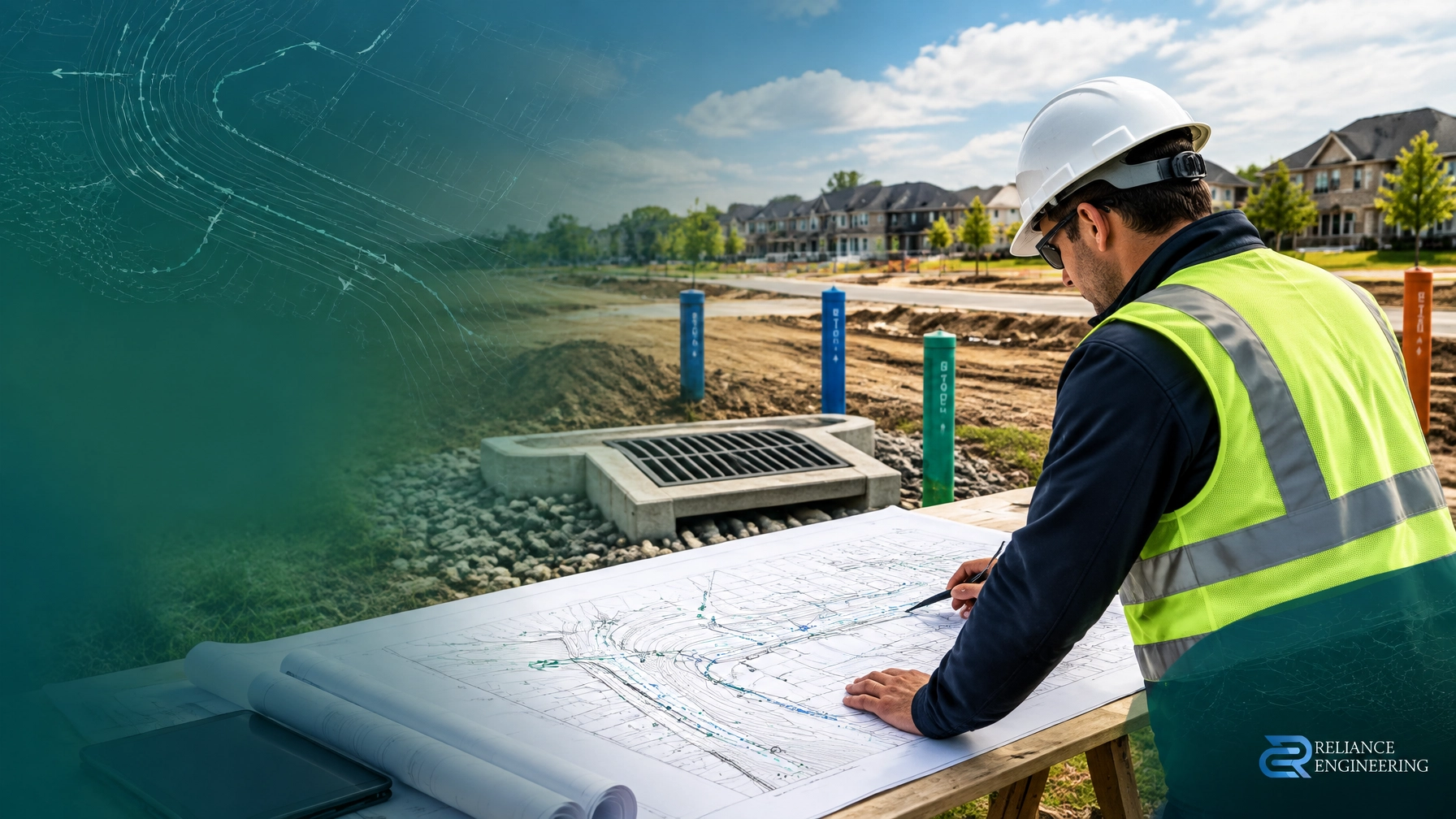
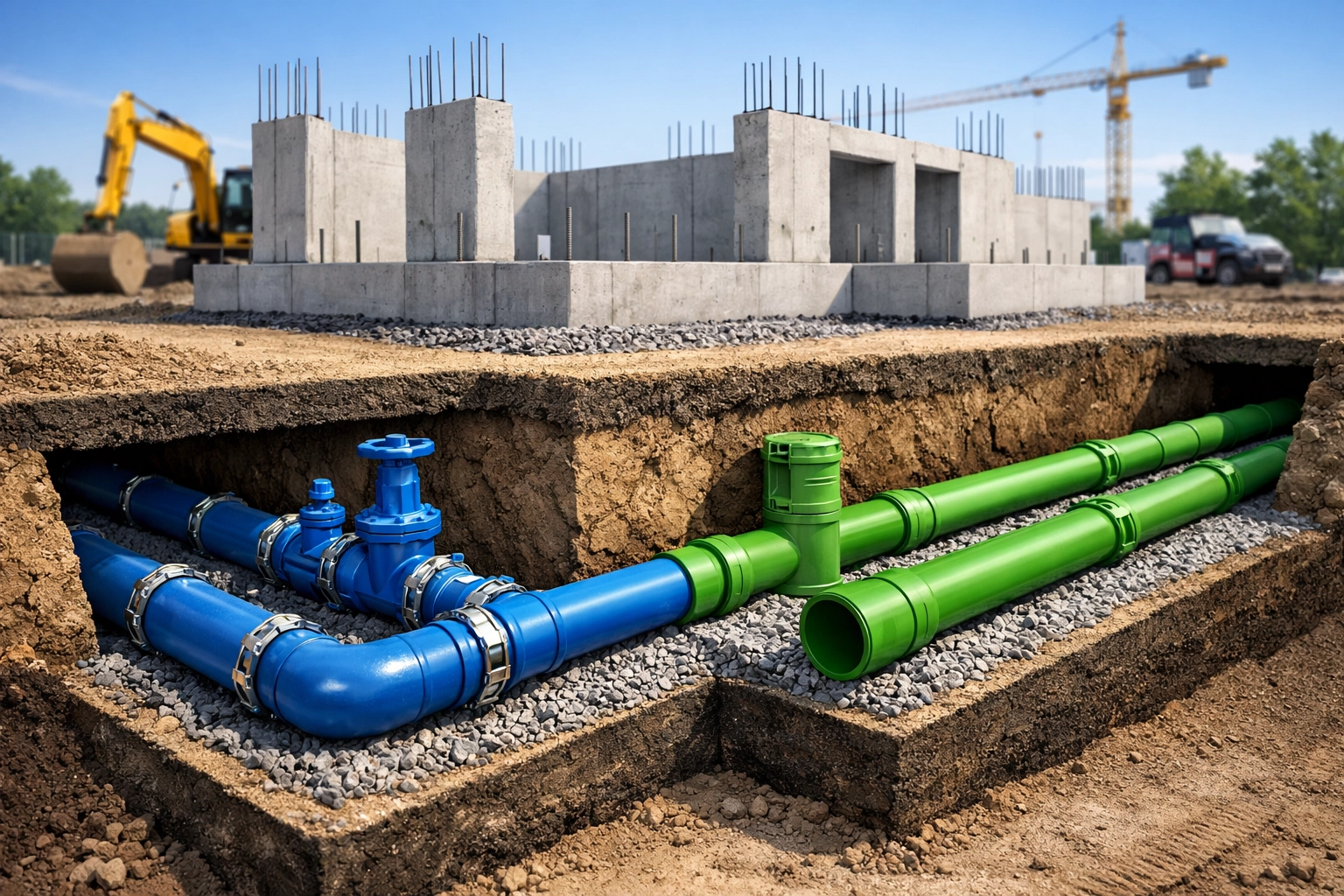
You need a Site Servicing Plan that details how each new unit will connect to the city’s water, storm, and sanitary lines. For 4-plex and 5-plex builds, standard residential connections often aren't enough. You may need specialized Water Distribution Design to ensure every tenant has adequate pressure.
Site Grading and Stormwater Management
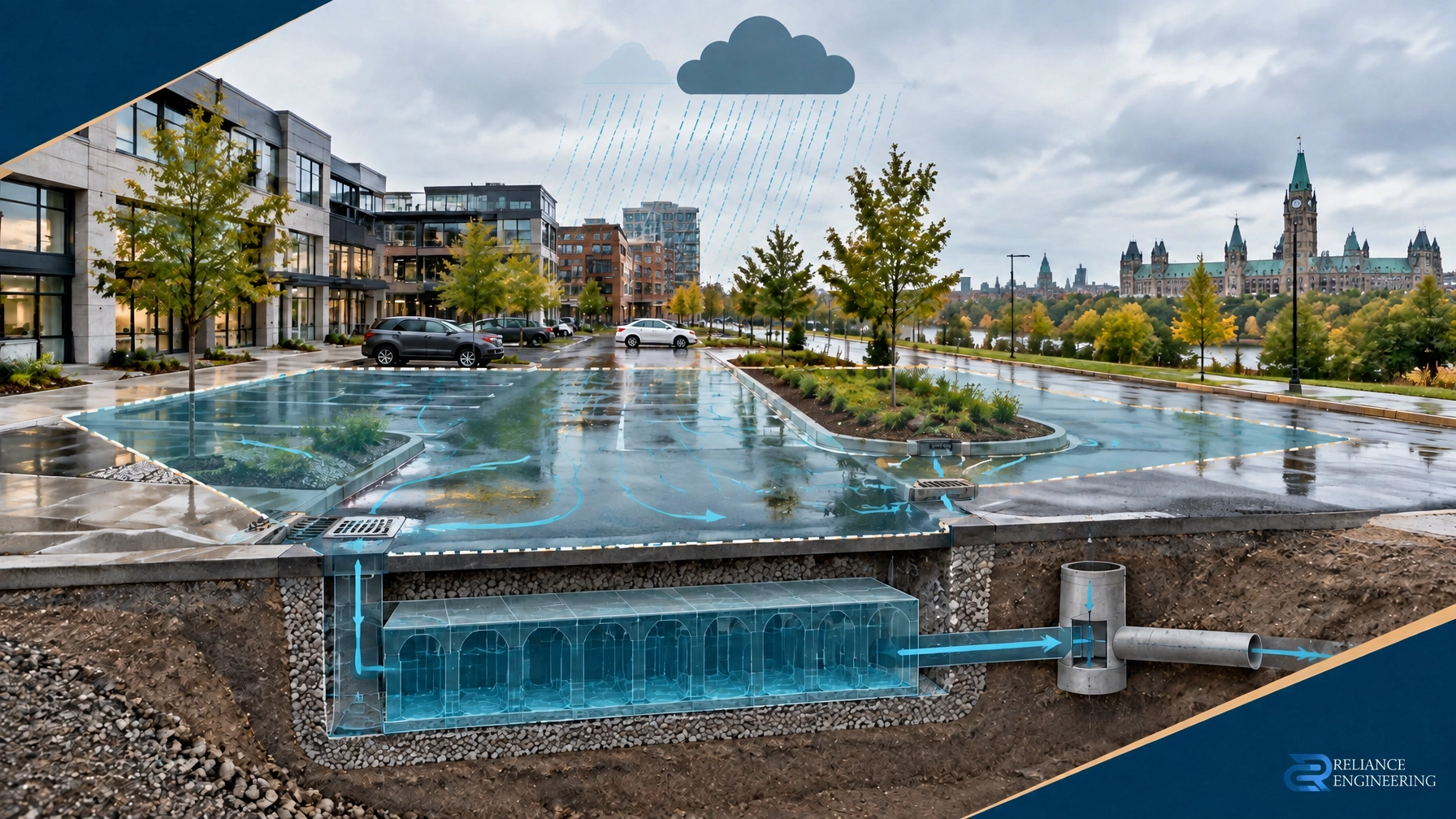
When you replace a backyard with a new multiplex and a parking pad, you increase "impermeable" surfaces. Rainwater that used to soak into the grass now runs off. You must have a Stormwater Management plan to ensure this water doesn't flood the neighbor's basement.
Step 4: Maximize the "Plex" ROI
Now that the land is severed and the engineering is feasible, you need to design the buildings for maximum cash flow. A 4-plex is the "sweet spot" for many investors because it often falls under different building code requirements than a large apartment building, yet it offers significant scale.
The 4-Plex vs. 5-Plex Decision
- 4-Plex: Often easier to finance through traditional residential lenders if you are an individual investor. It fits perfectly into "Missing Middle" policies.
- 5-Plex: Moves you into commercial territory. While the financing is different, the ROI can be higher because you are spreading the fixed costs of land and engineering across more units.
To avoid delays, ensure your building permit drawings are coordinated with your civil engineering. There is nothing worse than having architectural plans that don't match the Site Grading Plan.
If you are converting an existing house, be sure to avoid the 7 common mistakes that investors make, such as ignoring fire separations or failing to account for increased water meter sizes.
Step 5: Clearing Conditions and Construction
The final step in the severance process is getting the "Certificate of Official." This happens once you have met all the engineering and financial conditions (such as paying "Development Charges" or "Parkland Dedication" fees).
Once the lots are legally separate, you can:
- Sell one lot: Use the profit to fund the construction of the multiplex on the second lot.
- Build on both: Maximize your long-term wealth by holding two multi-unit properties.
Why Investors Choose Reliance Engineering
We don't just draw lines; we solve problems. We understand that for an investor, time is money. We provide permit-ready plans and help you navigate the complex municipal requirements across Ontario. Whether it’s a redevelopment in Etobicoke or townhomes in Toronto, we bring the same level of professional rigor to every project.

Technical Summary for Investors
| Phase | Key Engineering Document | Why It Matters |
|---|---|---|
| Severance | Functional Servicing Report | Proves the city can support the added density. |
| Permit | Site Grading Plan | Ensures drainage is legal and functional. |
| Design | Stormwater Management | Prevents flooding and meets environmental bylaws. |
| Utility | Sanitary Sewer Design | Essential for multi-unit waste management. |
Contact Information
Ready to sever your lot and start your multiplex project? Contact Reliance Engineering today. We provide professional civil engineering and land development consulting across Ontario.
Naresh Ochani, P.Eng. M.Eng.
Founder and Principal
Reliance Engineering
Address: 6850 Millcreek Dr, Mississauga, ON L5N 2H4
Phone: 647-385-6418
Email: [email protected]
Website: www.relianceengineering.ca
Office Hours:
- Saturday: 12:00 PM – 2:00 PM
- Sunday: Closed
- Monday – Friday: 9:00 AM – 5:00 PM
Our Services:
- Site Grading Plans
- Site Servicing Plans
- Functional Servicing Reports
- Stormwater Management
- Sanitary and Water Design
Let’s turn your underutilized land into a high-performing asset. Call us today to discuss your project feasibility.