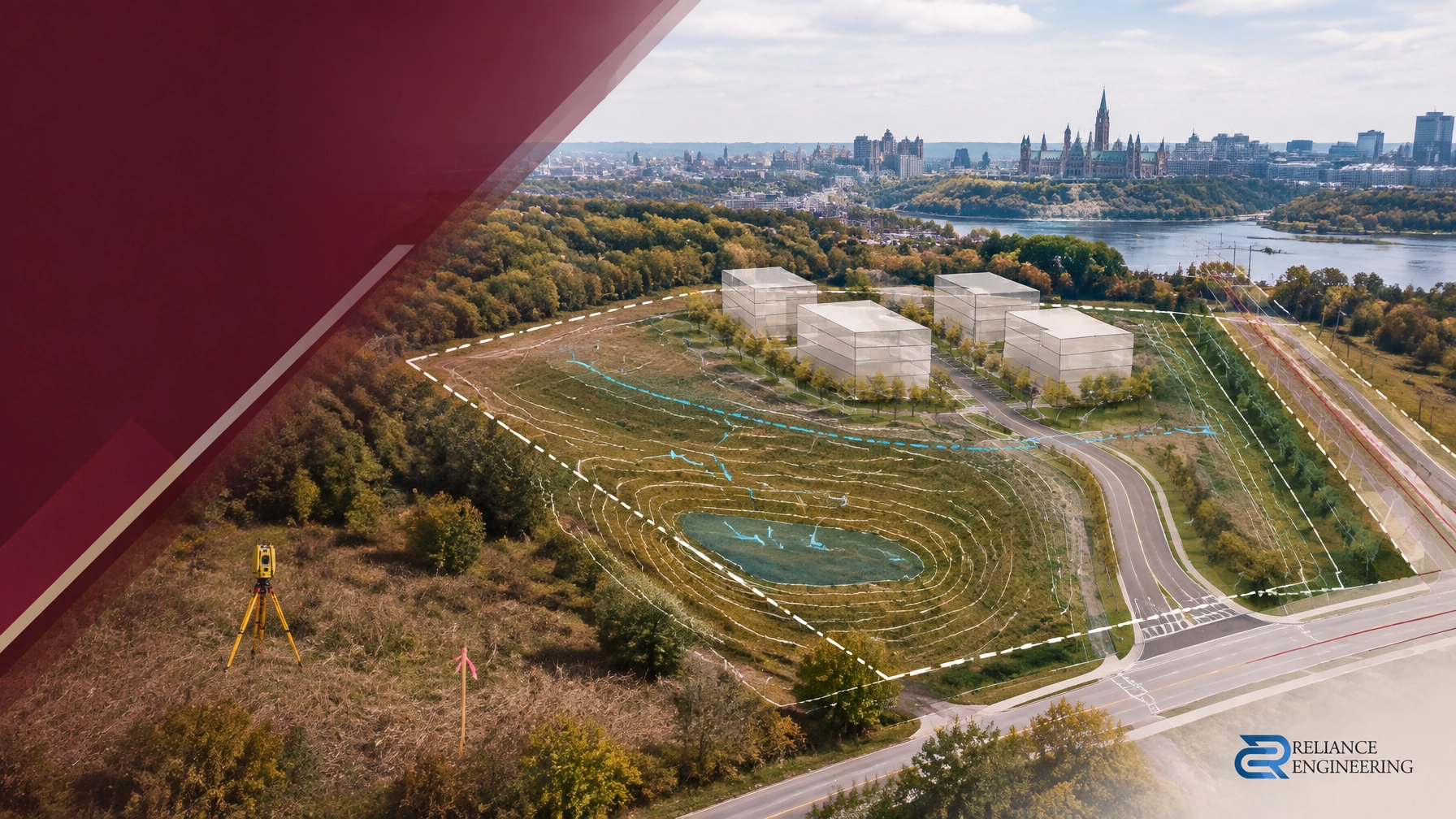
In the high-stakes world of Ontario real estate development, there is an old saying: "You never get a second chance to make a first impression." While that might sound like dating advice your grandmother gave you, in the realm of land development, it is a cold, hard financial truth.
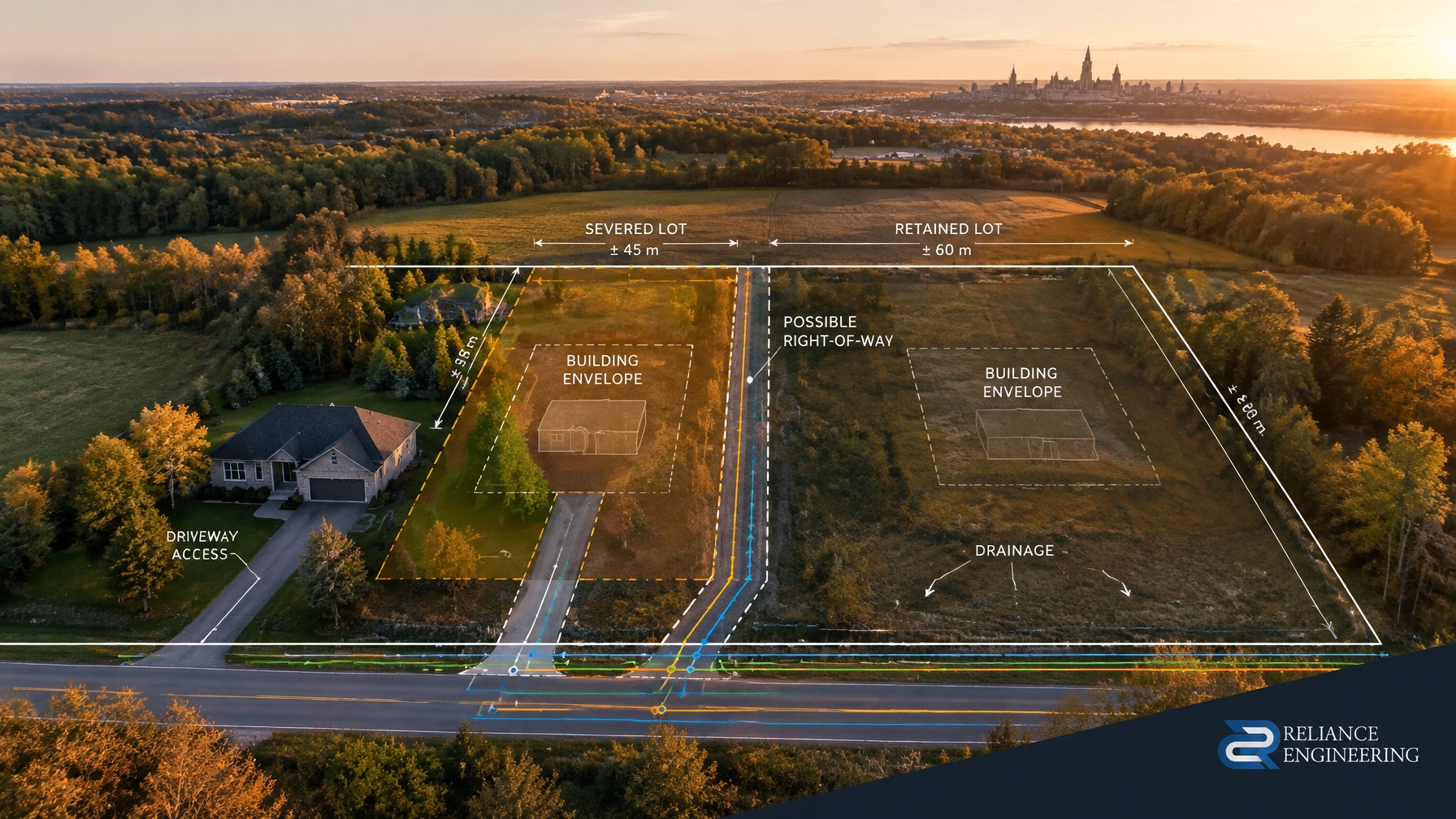
When you submit a severance application: technically known as a Consent application: to a local Committee of Adjustment or land division committee, you aren't just filing paperwork. You are initiating a legal and technical process that involves multiple municipal departments, conservation authorities, and occasionally, disgruntled neighbors.
Unlike the mysterious "severance" procedure seen in pop culture thrillers, our version of severance involves a lot more concrete and a lot less memory loss. However, if you get that first application wrong, you might find yourself wishing you could forget the entire ordeal. At Reliance Engineering, we have seen how a single oversight in the initial submission can lead to years of delays, ballooning interest payments, and a project that stalls before the first shovel hits the dirt.
The Municipal Memory: Why Your First Submission Sets the Tone
Municipal planners and engineers in Ontario are human. They have long memories and even longer queues of applications to review. When a developer submits a severance application that is incomplete, technically flawed, or ignores the local Official Plan, it sends a signal. That signal says, "We haven’t done our homework."
From that moment on, your project is viewed through a lens of skepticism. Every subsequent drawing, from your site grading plan to your stormwater management report, will be scrutinized with an extra layer of rigor. By getting the first application right, you establish yourself as a professional, prepared, and serious developer. This creates "planning equity": the benefit of the doubt that helps grease the wheels when minor issues inevitably arise later in the process.
The Domino Effect: Severance and the Site Plan Approval Process Ontario
One of the biggest misconceptions in land development is that severance is a standalone hurdle. In reality, it is the first domino in a very long line. Across Ontario, the site plan approval process ontario is notoriously complex. If your severance application creates a lot that is technically "legal" but practically "unbuildable," you have won the battle but lost the war.
For instance, you might successfully sever a lot, only to find out during the site plan stage that the functional servicing report shows no viable way to connect to the municipal sanitary sewer. Or perhaps the newly created property line sits exactly where a necessary swale needs to go.
If your initial application doesn't account for the technical requirements of the site plan approval process, you may find yourself having to re-apply for a secondary severance or a minor variance to fix the mess you created with the first one. This is why we advocate for a "top-down" engineering approach: we look at how the final building will function before we even draw the line that splits the land.

Zoning By-Law Amendment Drawings: The Blueprint for Success
If your project requires a change in how the land is used, your zoning by law amendment drawings are the most critical documents in your portfolio. These aren't just "sketches"; they are the legal backbone of your development's future.
A common mistake is submitting "concept-only" drawings that look pretty but ignore the granular details of the local zoning by-laws: setbacks, lot coverage, height restrictions, and parking requirements. In Ontario, the Planning Act is the law of the land, and it is remarkably unforgiving of "approximate" measurements.
When we prepare zoning by law amendment drawings at Reliance Engineering, we do so with a surgical mindset. We ensure that the proposed density is supported by the existing infrastructure. If the zoning amendment is approved based on flawed drawings, you may find yourself locked into a building footprint that is physically impossible to construct once the detailed civil engineering begins. Getting it right the first time ensures that the "vision" you sell to the Council is the "reality" you can actually build.
The High Cost of "Fixing it Later"
In the context of Ontario development, "fixing it later" is the most expensive phrase in the English language. Let’s look at the math.
When a severance application is deferred or appealed to the Ontario Land Tribunal (OLT) because of technical errors:
- Carrying Costs: You are paying interest on your land loan every single day the project is stalled.
- Consultant Fees: You end up paying your engineers and planners to fix errors and attend extra meetings that shouldn't have been necessary.
- Opportunity Cost: In a volatile real estate market, a six-month delay can be the difference between selling at the peak and holding through a valley.
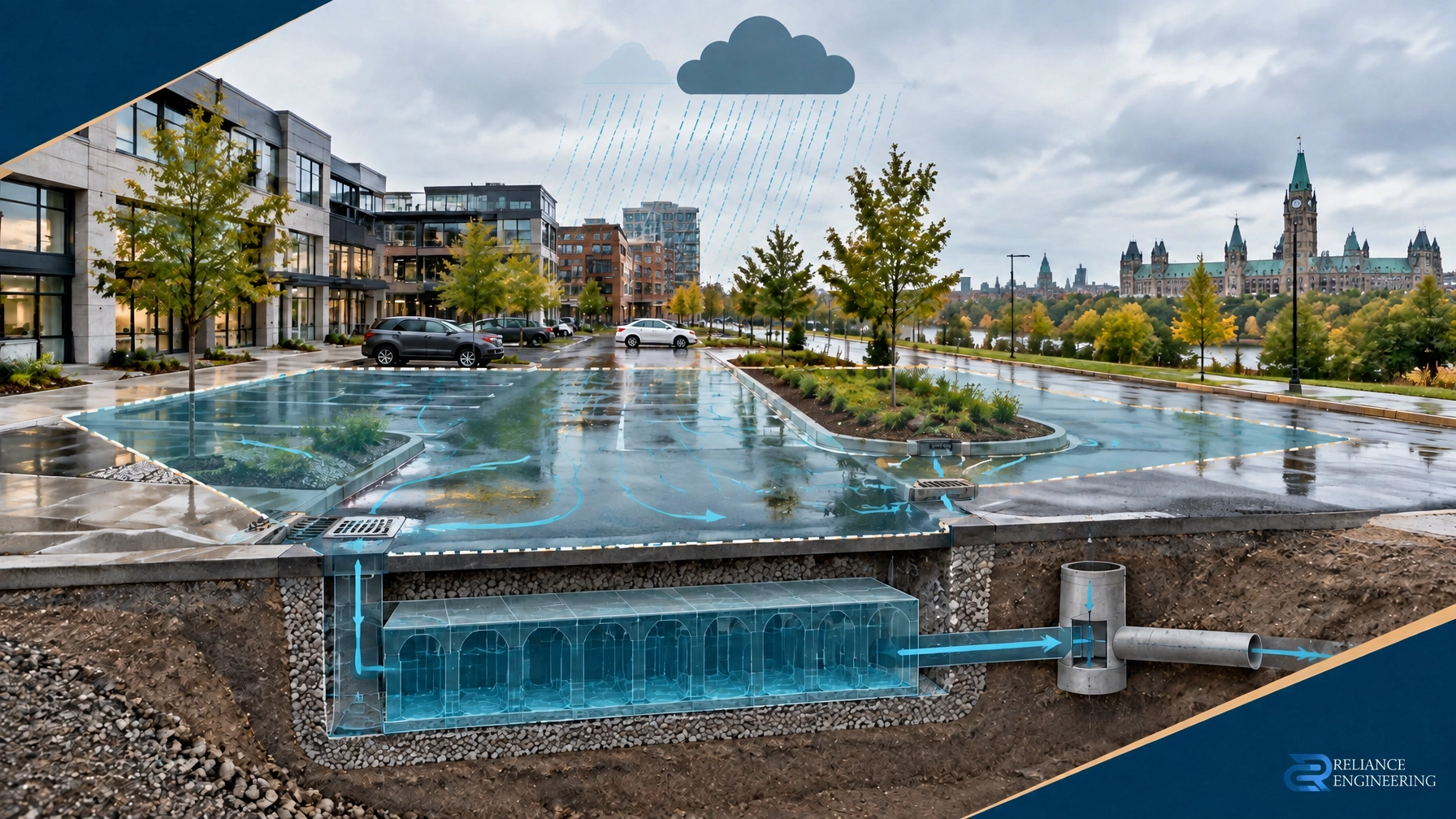
By investing in high-quality services upfront: including a robust site servicing plan and detailed drainage analysis: you front-load the costs but drastically reduce the risk. It is far cheaper to pay for an extra eight hours of engineering design in month one than to pay for eight months of delay in year two.
Technical Pitfalls: Where First Applications Go to Die
Across Ontario, there are specific "application killers" that we see time and again. If you want your first submission to be your only submission, you must address these three areas:
1. Grading and Drainage
You cannot sever a piece of land if you can’t prove that the new lot won’t flood the neighbor’s basement. Municipalities are increasingly risk-averse regarding climate change and overland flow. A preliminary grading plan is often the silent hero of a successful application.
2. Servicing Capacity
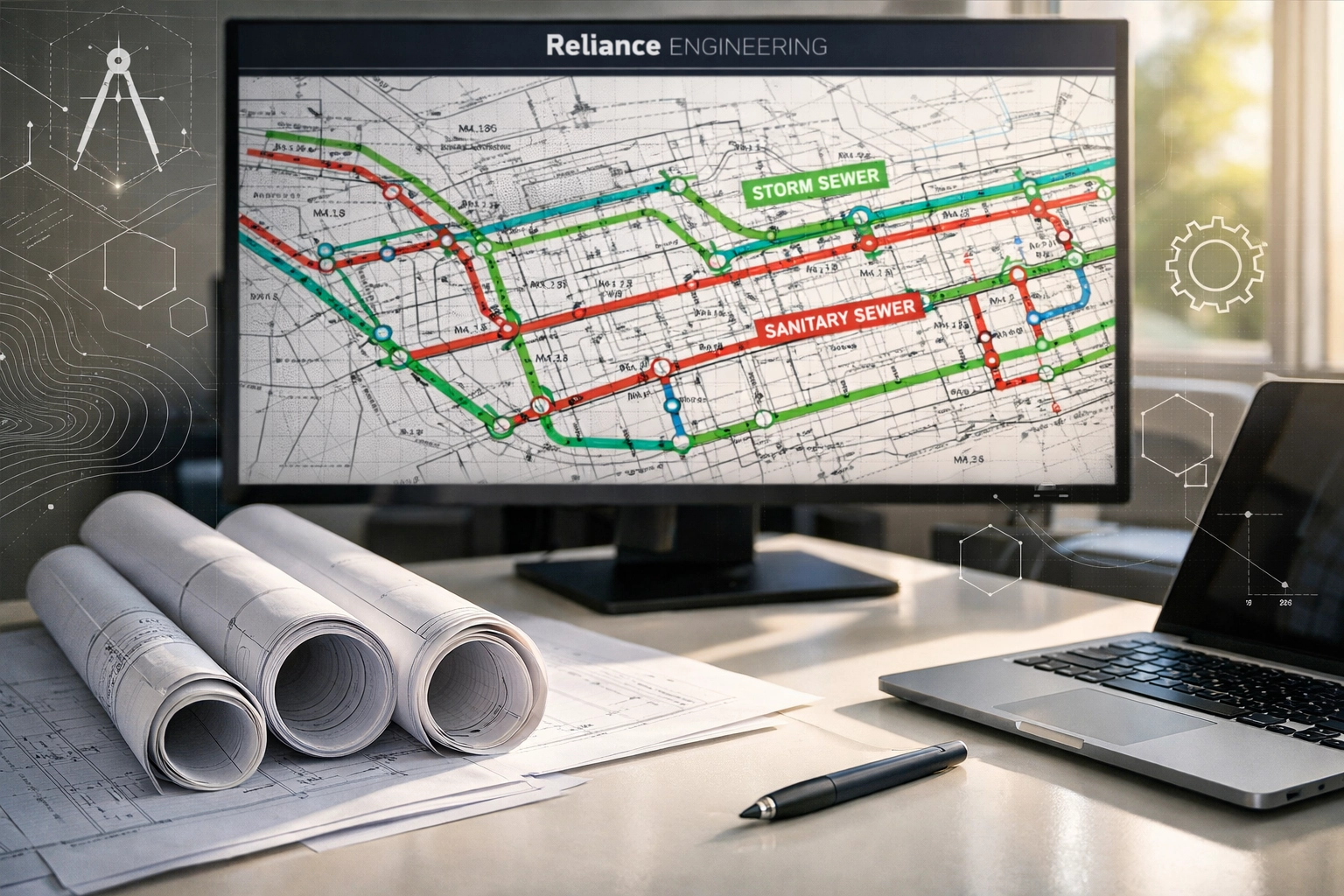
Can the current water main support another house? Is there enough "head" in the sanitary sewer? If you wait until the site plan approval process ontario to ask these questions, you are gambling with your ROI.
3. Access and Sightlines
For rural or suburban severances in Ontario, the location of the new driveway is often a point of contention. If the Ministry of Transportation or the local Public Works department deems the entrance unsafe due to poor sightlines, your severance is dead on arrival.

Why Professional Civil Engineering is Your Best Insurance Policy
Navigating the bureaucracy of Ontario’s planning departments requires more than just a good lawyer; it requires technical dominance. At Reliance Engineering, we pride ourselves on being the bridge between a developer’s vision and the municipality’s requirements.
We don't just "fill out forms." We provide a comprehensive suite of engineering services: from stormwater management to water distribution design: that ensure your application is bulletproof. Our goal is to make the planner’s job as easy as possible. When a planner sees a submission from Reliance, they know the math works, the grades are sound, and the drawings are compliant.
Conclusion: Don't Leave Your Success to Chance
The path to a successful development in Ontario is paved with paperwork, but that paperwork represents real-world physical constraints. Your first severance application is the foundation upon which your entire project is built. If the foundation is shaky, the whole structure is at risk.
Whether you are a seasoned developer or a homeowner looking to sever a backyard lot, the strategy remains the same: do it right, do it once, and do it with the best technical support available.
Ready to ensure your next application is a success? Contact us today for a consultation, and let's get your project moving in the right direction from day one.
Reliance Engineering
Practical. Compliant. Cost-Effective.
Hours: Monday – Friday: 9:00 AM – 5:00 PM
Location: Serving all of Ontario