The landscape of residential development in Toronto is shifting rapidly. As the city continues to grapple with housing shortages, the focus has intensified on "missing middle" housing: specifically Additional Residential Units (ARUs). Garden suites, which are self-contained housing units located in a detached building in the rear yard of a principal residence, have emerged as a premier solution for homeowners looking to maximize their property's value or provide multi-generational living space.
Following the release of the 2025 Monitoring Report and recent policy tweaks by the City of Toronto, the rules governing these structures have been refined to offer more flexibility. However, with increased opportunity comes increased technical scrutiny. Navigating the site plan approval process in Ontario remains a complex hurdle for the uninitiated.
At Reliance Engineering, led by Founder and Principal Naresh Ochani, we have spent over 20 years guiding clients through these regulatory waters. Our goal is always a "one-submission approval," minimizing the delays and municipal stress that often plague DIY or under-engineered projects.
Here are the five essential updates and technical requirements you must understand before breaking ground on a Toronto garden suite in 2025.
1. Increased Height Limits and Vertical Flexibility
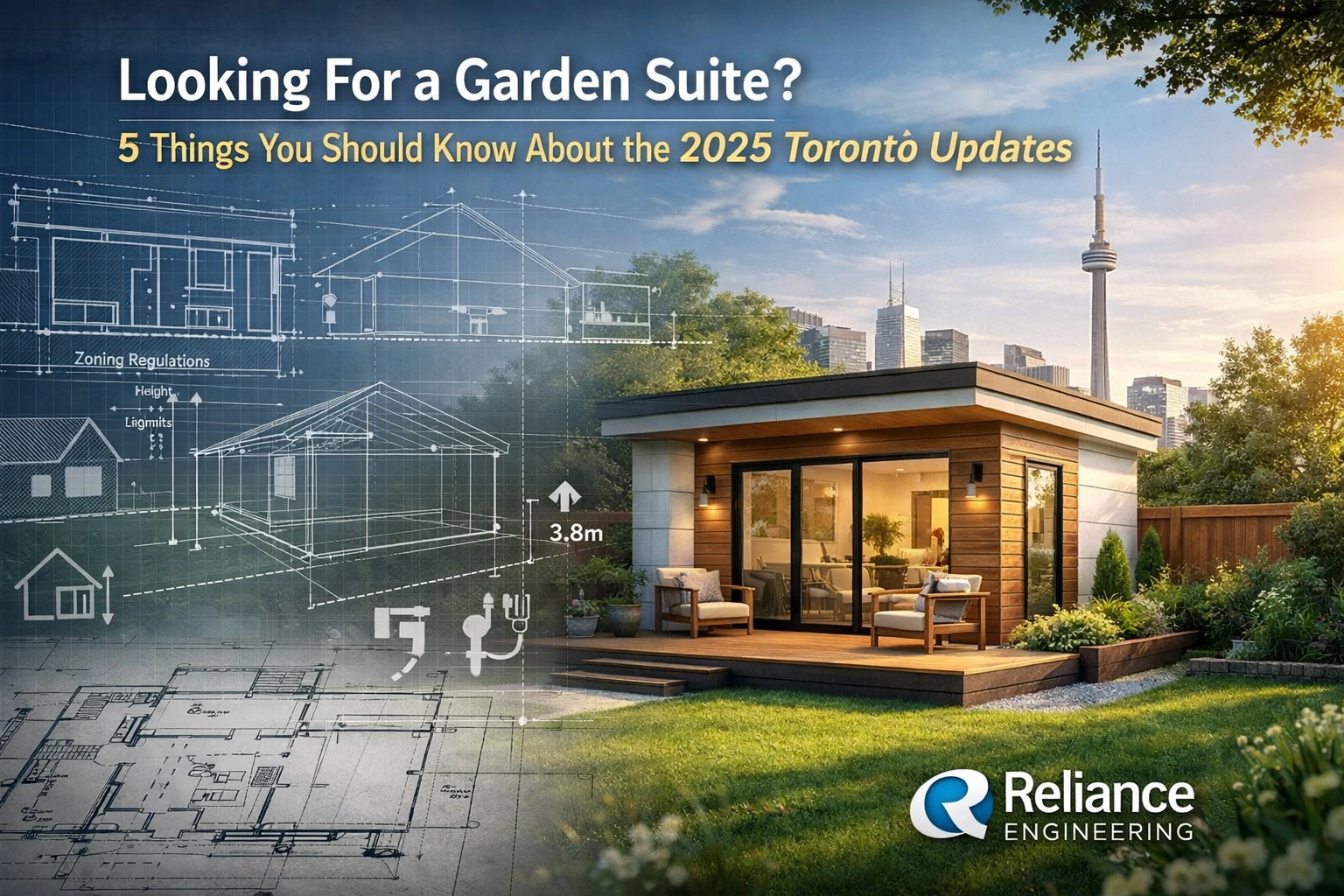
One of the most significant updates in 2025 is the alignment of garden suite height permissions with those of laneway suites. Previously, garden suites were often restricted to a lower profile, which limited the feasibility of true two-storey living.
- The New Standard: Garden suites can now reach a height of 6.3 metres, up from the previous 6.0-metre limit.
- The Impact: This additional 0.3 metres (approximately one foot) may seem minor, but it is a game-changer for interior headroom and the inclusion of modern insulation and HVAC systems in the roof assembly. It allows for more comfortable two-storey designs that don't feel "cramped" on the upper level.
When preparing your building permit drawings, these height adjustments must be reflected with precision. Miscalculating the established grade: the base point from which height is measured: is a common reason for application rejection. A professional site grading plan is essential here to ensure your height measurements are anchored to accurate topographical data.
 A modern two-storey garden suite design reflecting the new 6.3m height limit in a Toronto backyard.]
2. Shift to Gross Floor Area (GFA) and Basement Exemptions
The 2025 updates have fundamentally changed how the size of a garden suite is calculated. The City has shifted from measuring "interior floor area" to Gross Floor Area (GFA), but with a significant caveat that benefits the homeowner: basement space is now exempt from GFA calculations.
- Why it matters: Previously, building a basement could sometimes count against your total allowable square footage, forcing owners to choose between a larger footprint or a lower level.
- Maximizing Space: You can now build a functional basement for storage, mechanical rooms, or even additional living space without sacrificing the size of your primary floors. However, the suite's total GFA (excluding the basement) must still remain less than the GFA of the main house.
Designing within these limits requires a sophisticated understanding of the Toronto Zoning Bylaw. Our team at Reliance Engineering specializes in optimizing these ratios to ensure you get the maximum livable space allowed by law.
3. Tiered Separation Distances
Toronto has moved away from a "one-size-fits-all" approach to the distance between the main house and the garden suite. The 2025 Monitoring Report highlighted that rigid separation rules were disqualifying too many narrow or shallow lots.
- The New Rule: The minimum separation is now 4.0 metres for suites up to 4.0 metres tall. For suites taller than 4.0 metres (the aforementioned 6.3-metre peak), the separation must be at least 7.5 metres.
- The Opportunity: This tiered system allows owners with smaller backyards to still build "pod-style" or single-storey garden suites, which were previously pushed off the table by the 7.5-metre requirement.
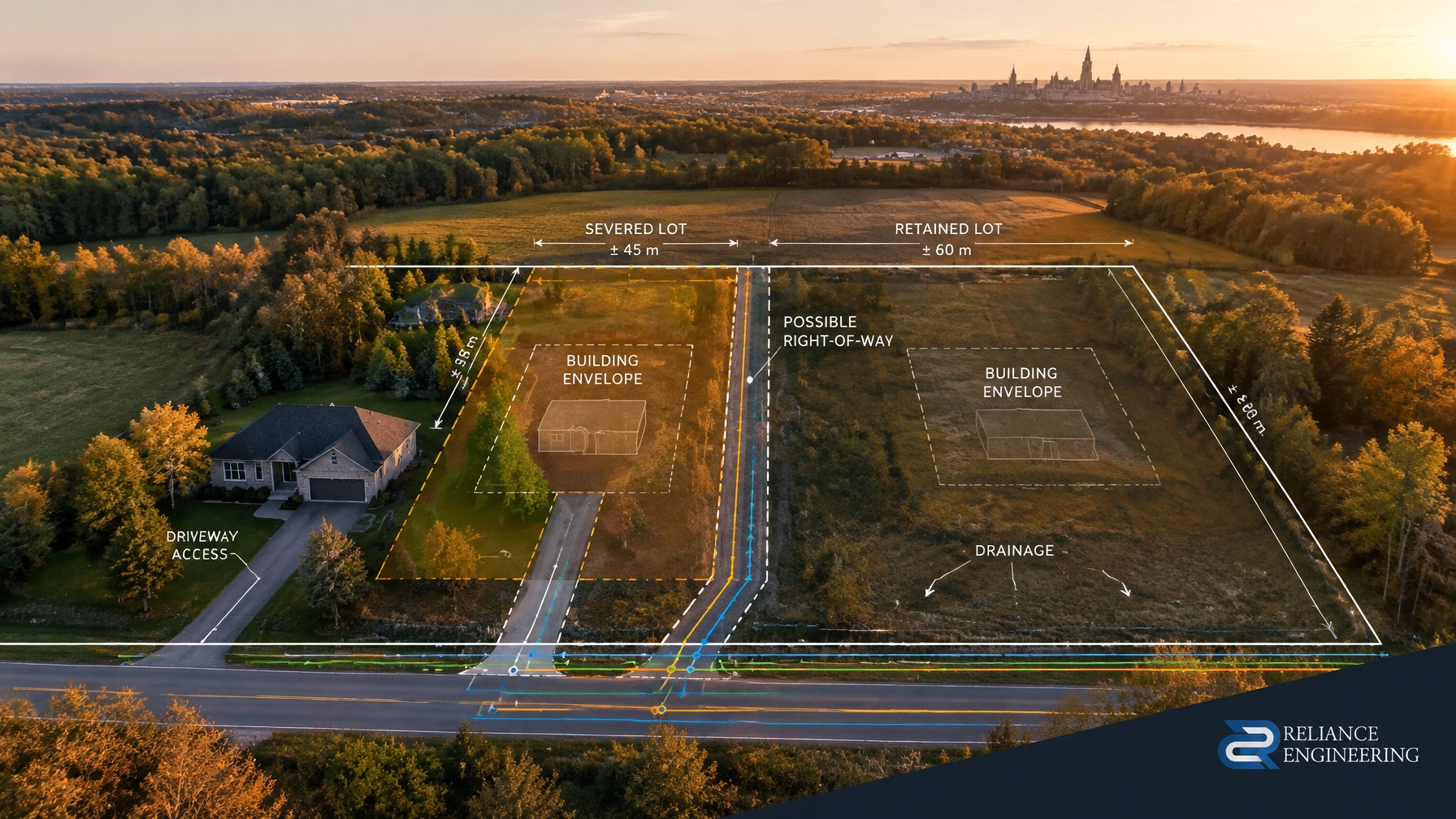
Navigating these setbacks is a core component of the site plan approval process in Ontario. If your plans are off by even a few centimeters, you could find yourself at the Committee of Adjustment, adding months and thousands of dollars to your project.

4. Financial Incentives and DC Exemptions
The City of Toronto is incentivizing the creation of ARUs by extending Development Charge (DC) exemptions. As of 2025, garden suites that qualify as ARUs are largely exempt from these hefty fees.
Furthermore, the City has extended these exemptions to properties with up to six total units. This means a homeowner could theoretically convert a single-family home into a four-plex and add both a garden suite and a laneway suite (depending on lot configurations) while potentially qualifying for significant fee relief.
While the financial side is enticing, the technical load on the city’s infrastructure increases with every unit. This is why a site servicing plan and a functional servicing report are non-negotiable. You must prove that the existing water and sanitary connections can handle the increased load of the new suite.
5. The Critical "Make or Break": Fire Access and Technical Servicing
While zoning bylaws have become more flexible, Ontario Building Code (OBC) requirements regarding life safety remain strict. In our experience at Reliance Engineering, fire access is the #1 reason garden suite projects stall at the permit stage.
- Fire Access Route: You must maintain a clear path from the street to the garden suite entrance. This path must be at least 1.0 metre wide and 2.1 metres high.
- Travel Distance: The maximum travel distance from a fire hydrant to the suite's entrance cannot exceed 90 metres, and the distance from the fire truck to the suite entrance cannot exceed 45 metres.
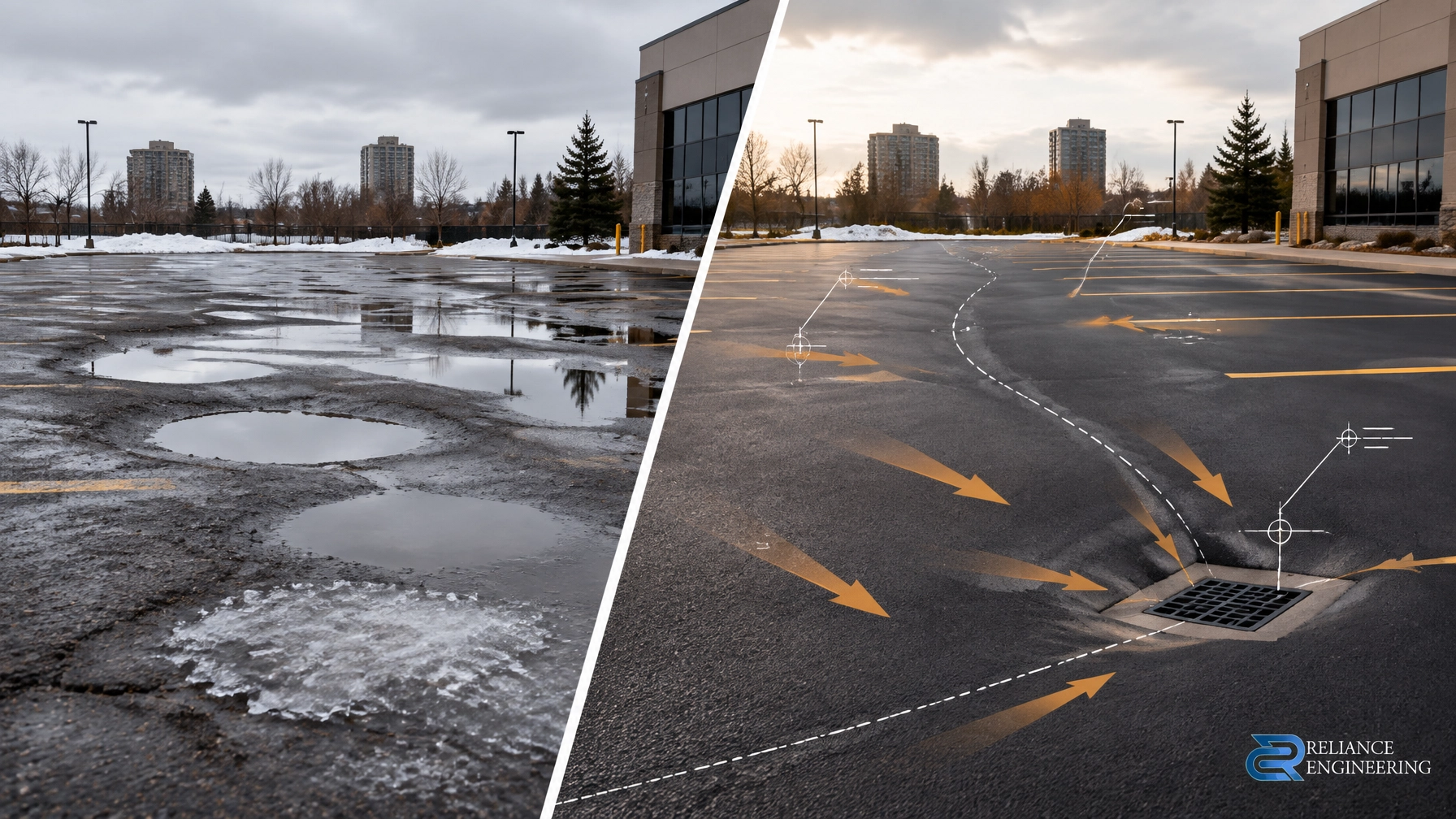
- Site Grading Matters: This access route must be properly graded to ensure it is clear of obstructions and safe for emergency personnel. A precise site grading plan ensures that your fire access route meets municipal standards while also managing stormwater runoff effectively.
Poorly planned drainage can lead to "ponding" on the fire access route or, worse, flooding your neighbor's property: a surefire way to get your building permit drawings rejected.
 A technical drawing overlay showing fire access routes and travel distances for a backyard garden suite.]
Why Reliance Engineering is Your Best Partner for Garden Suites
The 2025 updates represent a massive opportunity for Toronto property owners, but the "one-submission approval" is only possible when the engineering is flawless. At Reliance Engineering, we bring over two decades of experience in civil engineering and land development consulting to every project.
We understand that a garden suite is more than just a building; it is a significant financial investment. Our comprehensive approach includes:
- Detailed Site Grading Plans: Ensuring proper drainage and compliance with all municipal lot grading requirements.
- Robust Site Servicing Plans: Managing water, sanitary, and storm connections to ensure your suite is fully functional without overtaxing the main house's systems.
- Expert Building Permit Drawings: Crafting the technical documents that municipal examiners want to see, formatted for immediate approval.
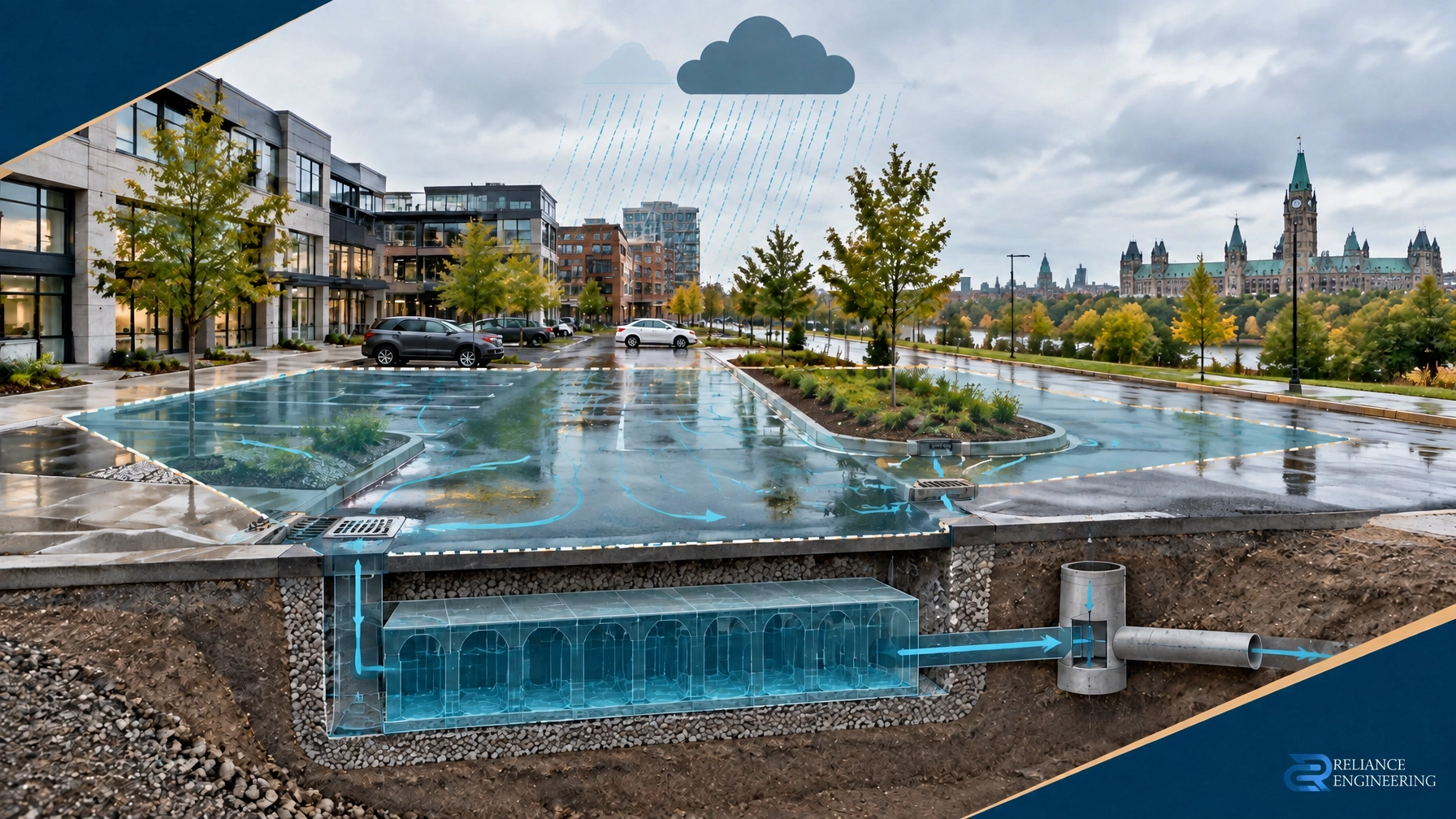
- Stormwater Management: Addressing the unique challenges of adding impermeable surfaces to urban backyards. You can learn more about why this matters in our guide on stormwater management reports.
Skip the Municipal Stress
Don't let your garden suite project get bogged down in the "back-and-forth" with city hall. Whether you are a homeowner looking to build for family or a small-scale developer looking to maximize a multi-unit conversion, we have the expertise to get your project approved the first time.
Ready to start your Garden Suite journey?
Contact Naresh Ochani and the team at Reliance Engineering today. Let’s turn those 2025 updates into your next successful development.
Contact Information:
- Company: Reliance Engineering
- Address: 309 – 1315 Pickering Pkwy, Pickering, ON L1V 7G5
- Phone: [Insert Phone Number]
- Website: www.relianceengineering.ca
- Operational Hours: Monday – Friday, 9:00 AM – 5:00 PM
For more in-depth insights into the approval process, check out our Ultimate Guide to Garden Suite Approvals in the GTA.