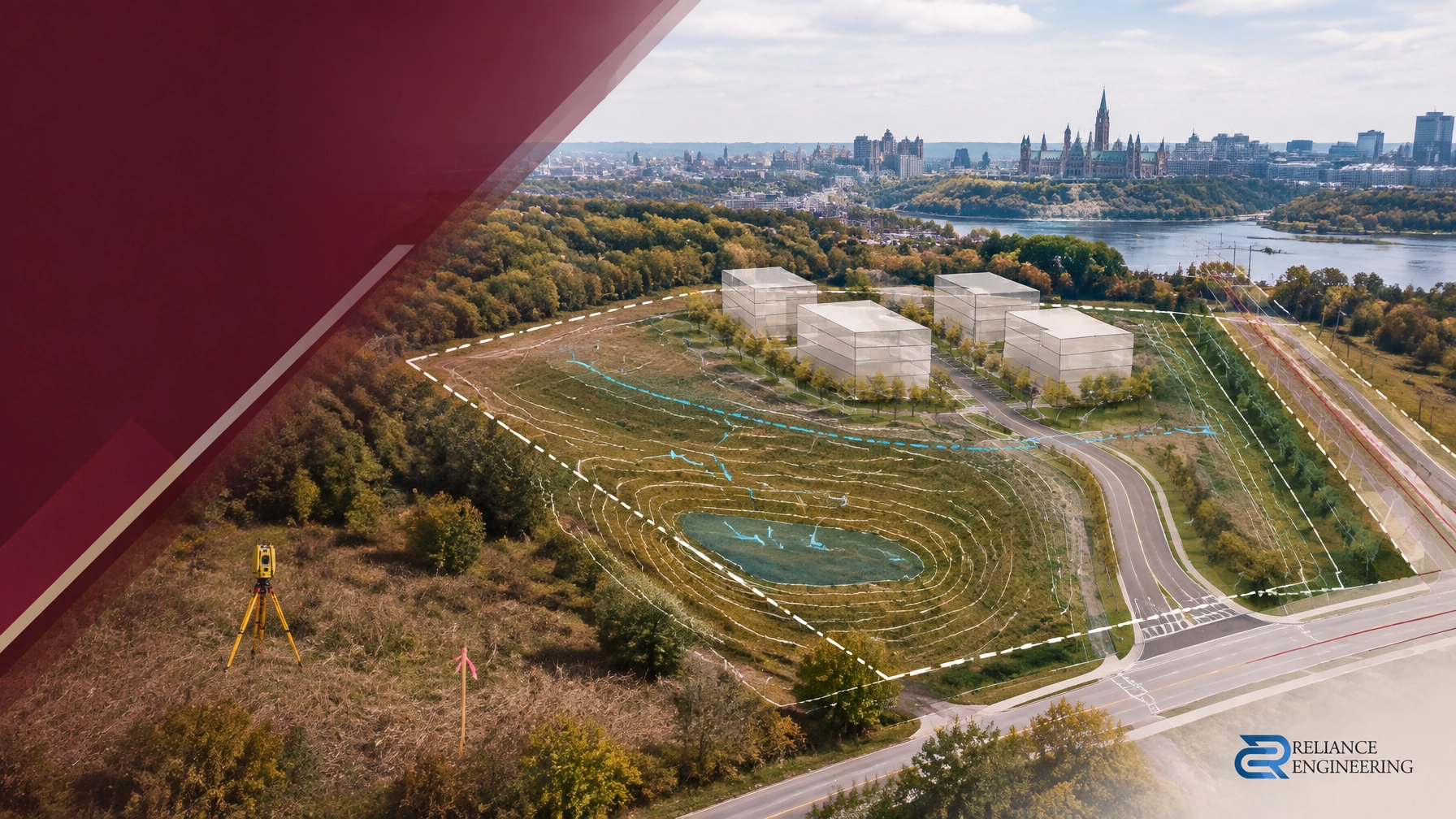
Site Plan Approval (SPA) is the ultimate bottleneck in Ontario land development. While developers focus on architectural aesthetics and sales targets, the reality of breaking ground hinges on a complex, often opaque municipal process. At Reliance Engineering, we’ve spent over 20 years navigating the regulatory landscape across Ontario. We know that the difference between a project that launches in six months and one that languishes for three years isn't just luck: it’s strategy.
Most "experts" will tell you to follow the municipal checklist and wait. We’re here to tell you what they won't: the system is designed to be defensive, and if you aren't playing offense, you’re losing money.
The Secret of the "Pre-Consultation" Power Move
Most developers view the mandatory pre-consultation meeting as a formality: a box to check before the real work begins. This is a massive mistake. In the world of Ontario land development, the pre-consultation is where the battle is won or lost.
The "secret" is to treat this meeting as a submission in itself. Do not walk into a municipal office with a napkin sketch. When you arrive with a preliminary site-servicing plan and a high-level functional servicing report (FSR), you shift the power dynamic. You aren't asking the municipality what they want; you are telling them what is technically feasible for the site.
When you show up prepared, municipal staff are forced to provide specific, technical feedback rather than vague, generalized requirements. This prevents the "moving goalpost" syndrome that plagues so many Ontario projects.
Zoning-Informed Design: Stop Fighting the Bylaws
A common error we see across Ontario is the "design-first, fix-later" approach. An architect creates a stunning vision, and then the engineering team is tasked with making it fit within the zoning constraints. By the time the SPA application is submitted, the project is already at risk.
The secret experts keep close is Zoning-Informed Design. This means analyzing the local Ontario zoning requirements: setbacks, height restrictions, floor area ratios, and density: before the building takes shape. If your SPA application requires a laundry list of variances or a full Zoning By-law Amendment (ZBA), your timeline just doubled.
At Reliance Engineering, we advocate for designs that push the envelope without breaking the rules. By aligning your site plan with existing zoning, or ensuring that any necessary Official Plan Amendments (OPA) are handled concurrently, you bypass months of bureaucratic back-and-forth.
The Engineering Backbone: FSRs and SWMRs
While the site plan shows where the buildings go, the Functional Servicing Report (FSR) and Stormwater Management Report (SWMR) determine if the project is actually buildable.
Municipal engineers in Ontario are under increasing pressure to manage aging infrastructure and climate change risks. Consequently, they have become incredibly stringent. The "secret" here is that a standard report isn't enough anymore. You need an aggressive engineering strategy.
- Site Servicing: Don't just assume capacity exists. We conduct deep-dive investigations into sanitary sewer design and water distribution early in the process.
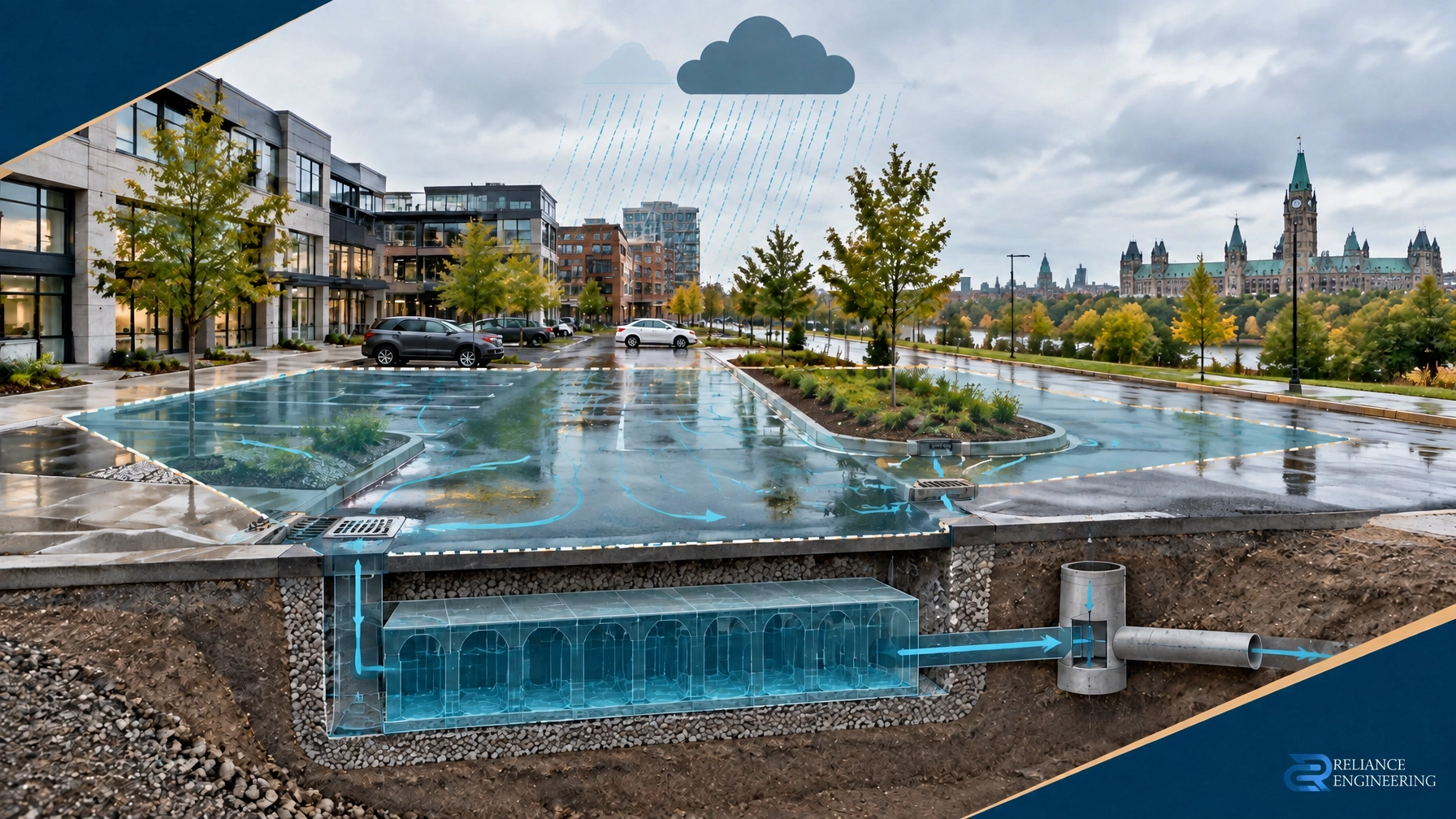
- Stormwater Management: With Ontario’s changing regulations, Low Impact Development (LID) features are often mandatory, not optional. If your engineer isn't integrating these into the site grading plan from day one, you will face massive redesign costs when the municipality rejects your traditional pond-and-pipe approach.

Coordination is Your Responsibility, Not the Planner’s
One of the most frustrating aspects of Site Plan Approval in Ontario is the siloed nature of municipal departments. The Planning department might love your landscaping, but the Fire department hates your hydrant placement, and Engineering says your driveway is too close to an intersection.
The secret? The municipal planner is not your project manager. They facilitate the flow of paper, but they rarely resolve internal conflicts between departments.
To succeed, your consultant team must take the lead. We proactively reach out to individual departments to resolve technical conflicts before they reach the official "comment" stage. By the time the consolidated comment package arrives, we’ve already solved 80% of the issues. This proactive coordination is what allows us to deliver permit-ready plans in days, not months.
Managing the "Comment Loop" Fatigue
The SPA process in Ontario typically involves three to four rounds of submissions. Each round can take 6–8 weeks for municipal review. Many developers get stuck in a "comment loop," where new issues are raised in the third round that should have been addressed in the first.
Experts prevent this by demanding "Complete Application" status and holding the municipality accountable to their own timelines. Under the Planning Act, there are specific windows for decision-making. While the 30-day decision period is rarely met in practice, knowing when to leverage the threat of an Ontario Land Tribunal (OLT) appeal can sometimes "miraculously" speed up a stagnant file.
The Financial Sting: Securities and Agreements
Once you receive "Conditional Site Plan Approval," the celebration is often cut short by the Site Plan Agreement. This is the legal contract between the developer and the municipality.
The secret that catches most off guard is the sheer volume of financial securities required. Municipalities across Ontario will require Letters of Credit (LCs) for 100% of the value of on-site and off-site works, including erosion and sediment control, landscaping, and internal servicing.
We work with our clients to optimize the site-servicing plan to reduce the overall construction cost estimate, which directly lowers the security amount you need to post. High-efficiency engineering isn't just about passing review; it’s about preserving your cash flow.

Why Experience Matters in Ontario’s Regulatory Landscape
Navigating the SPA process requires more than just technical skill; it requires local knowledge. Every municipality in Ontario: from Toronto to Newmarket to Ottawa: has its own "unwritten rules" and preferences.
Whether it’s a residential redevelopment in Toronto or a complex ICI project in Newmarket, understanding the local nuances is the ultimate secret. We’ve built relationships with municipal staff across the province, allowing us to anticipate objections before they are even raised.
Direct Action for Developers
If you are currently facing delays in your Site Plan Approval or are planning a new development in Ontario, do not leave your timeline to chance. The "secrets" of the industry are really just the application of deep experience and proactive management.
At Reliance Engineering, we specialize in cutting through the red tape. We provide practical, compliant, and cost-effective civil engineering solutions that get your project from the drawing board to the construction site.
Contact us today to discuss your project and see how we can accelerate your approval process.
Professional Credentials & Contact Information
Naresh Ochani, P.Eng. M.Eng.
Founder and Principal
Reliance Engineering
Office Address:
6850 Millcreek Dr,
Mississauga, ON L5N 2H4
Phone: 647-385-6418
Email: [email protected]
Website: www.relianceengineering.ca
Office Hours:
- Saturday: 12:00 PM – 2:00 PM
- Sunday: Closed
- Monday – Friday: Professional Consulting by Appointment
Our Core Services Across Ontario:
- Site Grading Plans
- Site Servicing Plans
- Stormwater Management Reports (SWMR)
- Functional Servicing Reports (FSR)
- Erosion and Sediment Control
- Site Plan Approval Navigation
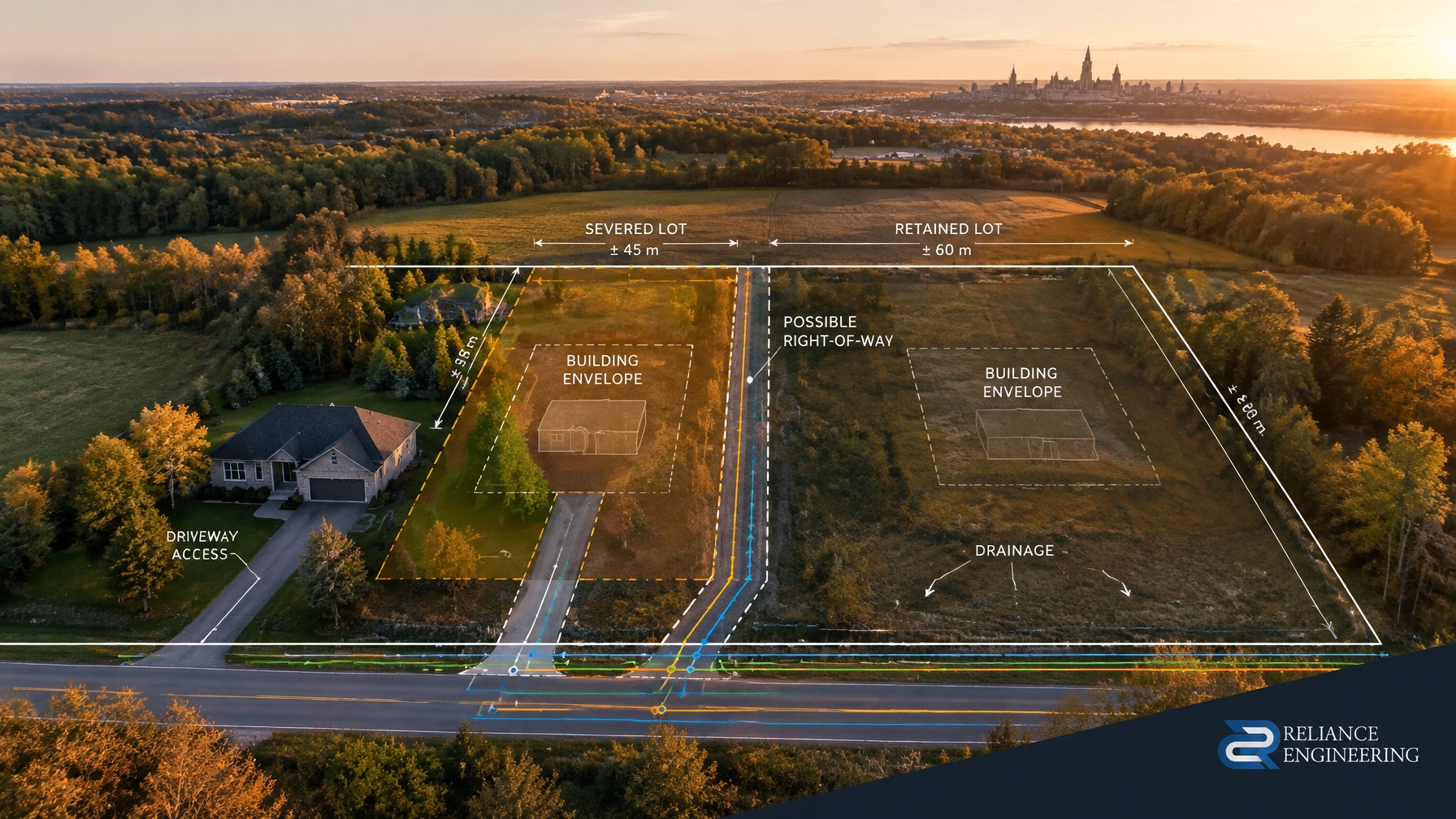
- Severance & Zoning Amendments
- Building Permits (Residential and ICI)
Don't let municipal bureaucracy stall your vision. Leverage our 20+ years of Ontario land development expertise to secure your approvals faster and more efficiently. Contact us now.