Navigating the land development process in Ontario requires a sophisticated understanding of municipal regulations, provincial legislation, and engineering standards. Site Plan Approval (SPA) is a critical milestone in this journey. It is a form of development control that allows municipalities to dictate the detailed design of a property to ensure it is safe, functional, and minimizes impacts on the surrounding community.
At Reliance Engineering, we have over 20 years of experience assisting developers and property owners across Ontario with the technical complexities of Site Plan Approval. Whether you are working on a commercial redevelopment or a new institutional facility, understanding these 10 key factors will help you streamline your application and avoid costly delays.
1. Not All Projects Trigger Site Plan Control
Every municipality in Ontario maintains its own Site Plan Control By-law. These by-laws specify which types of development require formal approval. Generally, residential developments with fewer than a specific number of units (often single-family homes or small multiplexes) are exempt. However, almost all commercial, industrial, and institutional (ICI) developments: including new buildings or significant additions: require SPA.
Before initiating a project, it is essential to review the local by-law. Some municipalities also apply site plan control to properties within environmentally sensitive areas or heritage districts, regardless of the building type.
2. Comprehensive Technical Drawings are Non-Negotiable
A site plan is not just a layout of a building; it is a complex set of engineering and architectural documents. For a successful submission in Ontario, your package must typically include:
- Site Grading Plans: Detailing how the land will be shaped to manage drainage.
- Site Servicing Plans: Showing connections to municipal water, sanitary, and storm infrastructure.
- Stormwater Management Reports (SWMR): Demonstrating how the site will handle runoff.
- Functional Servicing Reports (FSR): Assessing the capacity of existing municipal services to support the new development.

3. Pre-Consultation is Your Most Valuable Tool
Most Ontario municipalities mandate a formal pre-consultation meeting before you can submit an application. This meeting involves staff from planning, engineering, and external agencies (such as Conservation Authorities). The goal is to identify potential "deal-breakers" early and provide a checklist of required studies. Skipping or rushing this step often leads to incomplete applications that are rejected at the intake counter.
4. Expect a Multi-Departmental Review Process
Once submitted, your application is circulated to various internal departments and external agencies. This typically includes:
- Engineering Department: Reviews stormwater management and utility connections.
- Transportation/Roads: Evaluates driveway widths, sightlines, and traffic impact.
- Fire Services: Ensures adequate fire hydrant coverage and emergency vehicle access.
- External Agencies: Organizations like Metrolinx or the Ministry of Transportation (MTO) may be involved if the site is near transit corridors or provincial highways.

5. Municipalities Can Impose Specific Conditions
Under Section 41(7) of Ontario's Planning Act, municipalities have the authority to make approval conditional. These conditions often include:
- Widening of adjacent public highways.
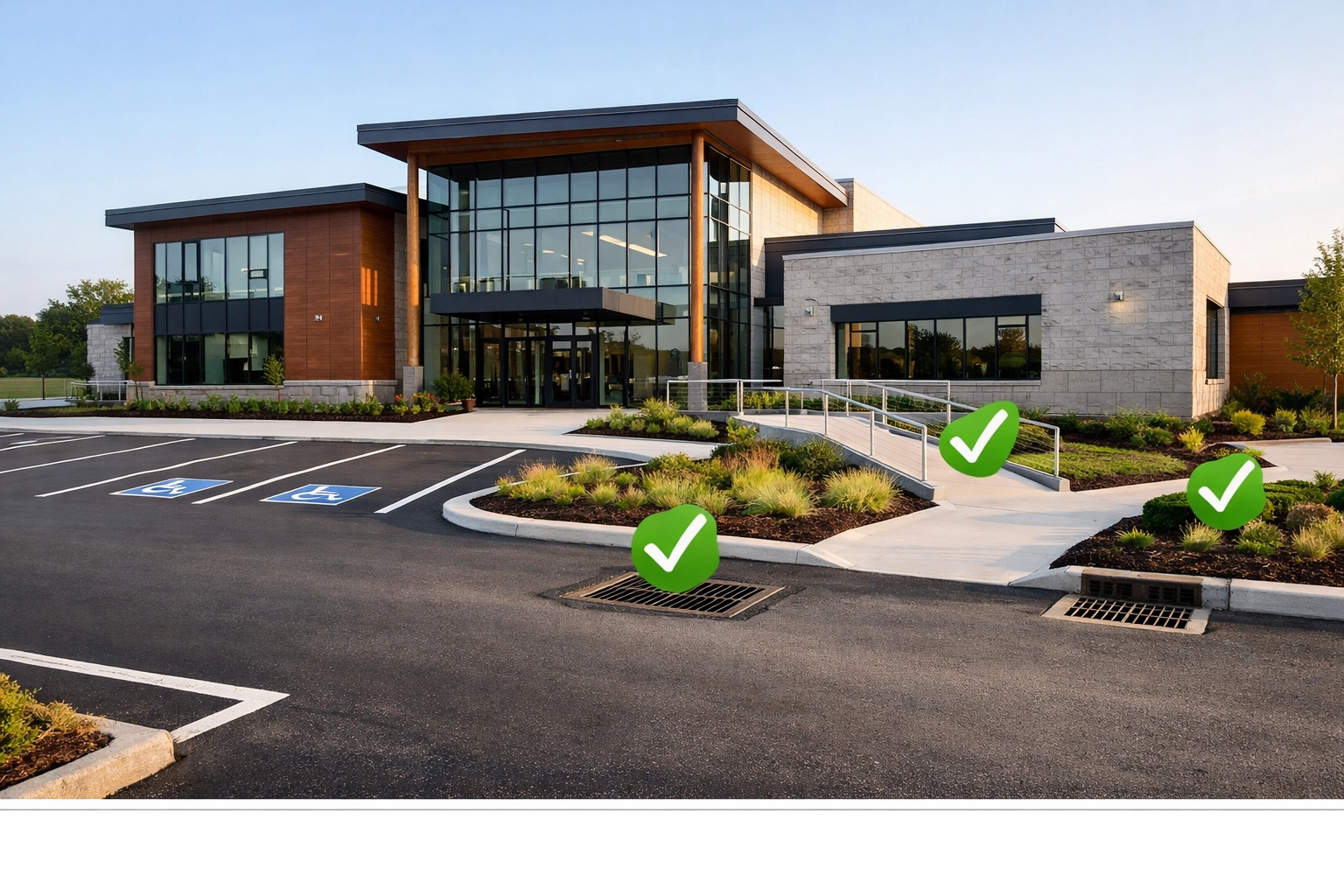
- The installation of specific accessibility features (ramps, tactile walking surface indicators).
- The conveyance of easements for utilities or public walkways.
- Specific landscaping requirements to buffer the site from residential neighbours.
Understanding these potential conditions during the design phase allows you to budget correctly for "off-site" improvements that may be required by the city.
6. The Two-Stage Approval Model
Many large Ontario municipalities, such as Toronto, utilize a two-stage process. The first stage results in a Notice of Approval with Conditions (NOAC). This document lists everything the developer must do before final approval is granted. The second stage is the Statement of Approval, issued only after all technical clearances and legal agreements are finalized. It is important to note that a building permit cannot usually be issued until the SPA process has reached a specific milestone, often the signing of the Site Plan Agreement.
7. The Site Plan Agreement is Registered on Title
Once the design is finalized, the municipality and the owner sign a Site Plan Agreement. This document is registered on the property’s title at the Land Registry Office. This ensures that the current and all future owners are legally bound to maintain the site exactly as approved. If you decide to change the color of the brick or move a trash enclosure five years after construction, you may technically be in violation of this agreement unless you seek an amendment.
8. Bill 109 and Evolving Timelines
The regulatory landscape in Ontario shifted significantly with the introduction of Bill 109, the More Homes for Everyone Act, 2022. This legislation introduced mandatory fee refunds if a municipality does not make a decision on a site plan application within 60 days. While this was intended to speed up the process, it has led many municipalities to become much stricter about application completeness. If your Functional Servicing Report is missing a single detail, the municipality may refuse to "start the clock" on your application.

9. Rights of Appeal to the Ontario Land Tribunal (OLT)
If a municipality fails to make a decision within the prescribed 30-day window (as defined for appeals) or if the applicant disagrees with the conditions imposed, an appeal can be filed with the Ontario Land Tribunal (OLT). However, appeals are time-consuming and expensive. Our team at Reliance Engineering prioritizes collaborative design and negotiation to resolve disputes at the municipal level, saving our clients the costs associated with a full tribunal hearing.
10. Compliance Must Be Maintained Post-Construction
Approval is not the end of the process. During and after construction, municipal inspectors will visit the site to verify that everything: from the sanitary sewer design to the specific species of trees planted: matches the approved drawings. Most municipalities require the developer to post a "Security Deposit" or "Letter of Credit" (often 50% to 100% of the cost of on-site works). These funds are only released once the city’s engineers and planners provide a final sign-off.
Why Partner with Reliance Engineering?
Site Plan Approval is a technical hurdle that requires a blend of civil engineering expertise and a deep understanding of municipal policy. At Reliance Engineering, we specialize in creating permit-ready designs that satisfy municipal requirements while remaining cost-effective for the developer.
We provide comprehensive services across Ontario, including:
- Site Servicing and Grading Design
- Stormwater Management (SWM) Reports
- Water Distribution Design
- Erosion and Sediment Control Plans
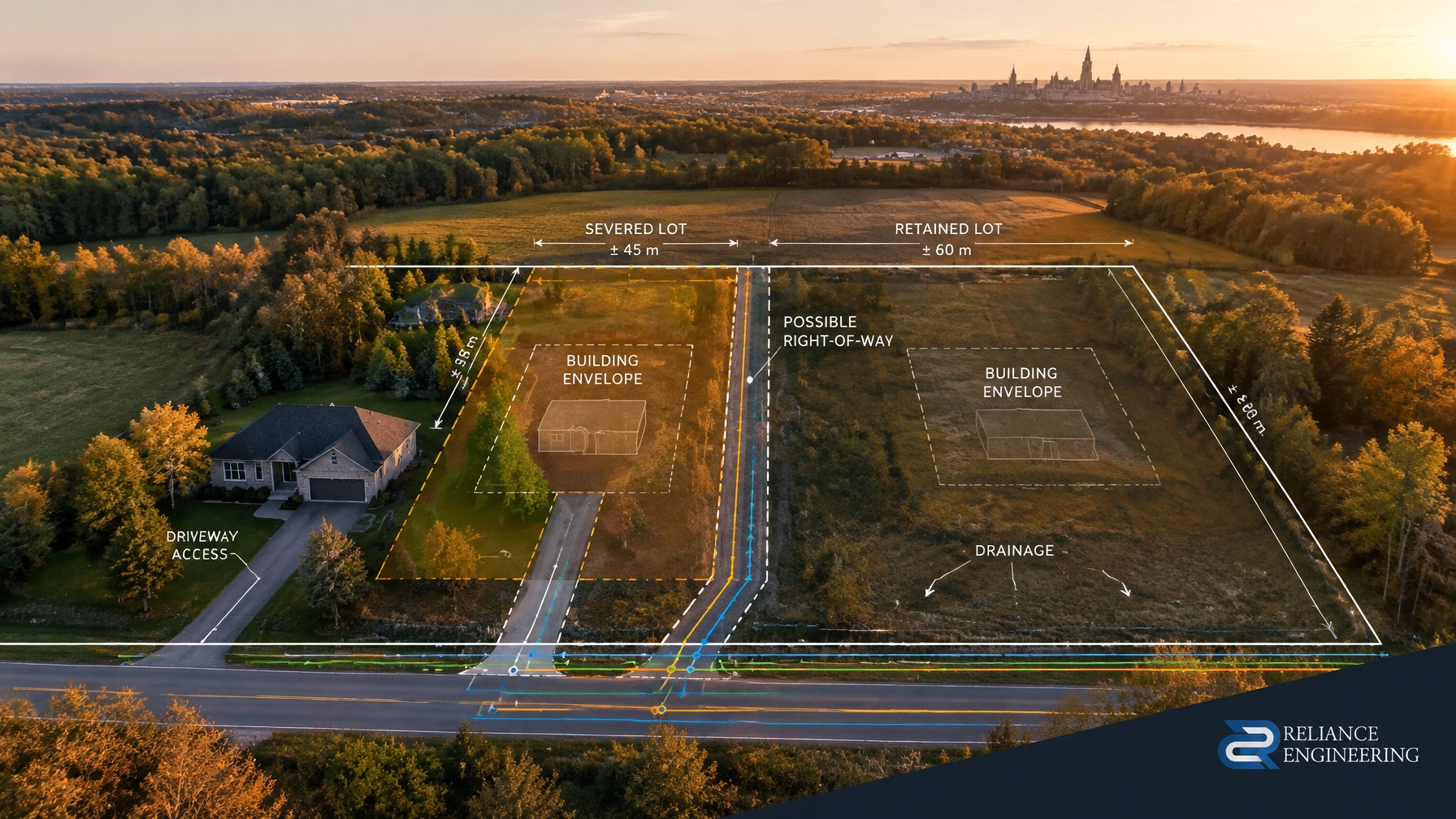
- Severance and Zoning Amendment support
Our goal is to provide draft plans in days, not weeks, ensuring your project moves from the drawing board to the construction site as quickly as possible.
Contact Information
If you are planning a development project in Ontario and require expert assistance with Site Plan Approval, contact us today for a consultation.
Reliance Engineering
Naresh Ochani, P.Eng. M.Eng.
Founder and Principal
Address: 6850 Millcreek Dr, Mississauga, ON L5N 2H4
Phone: 647-385-6418
Email: [email protected]
Website: www.relianceengineering.ca
Office Hours:
- Saturday: 12:00 PM – 2:00 PM
- Sunday: Closed
- Monday – Friday: By Appointment

Reliance Engineering: Providing practical, compliant, and cost-effective civil engineering solutions across Ontario for over 20 years.