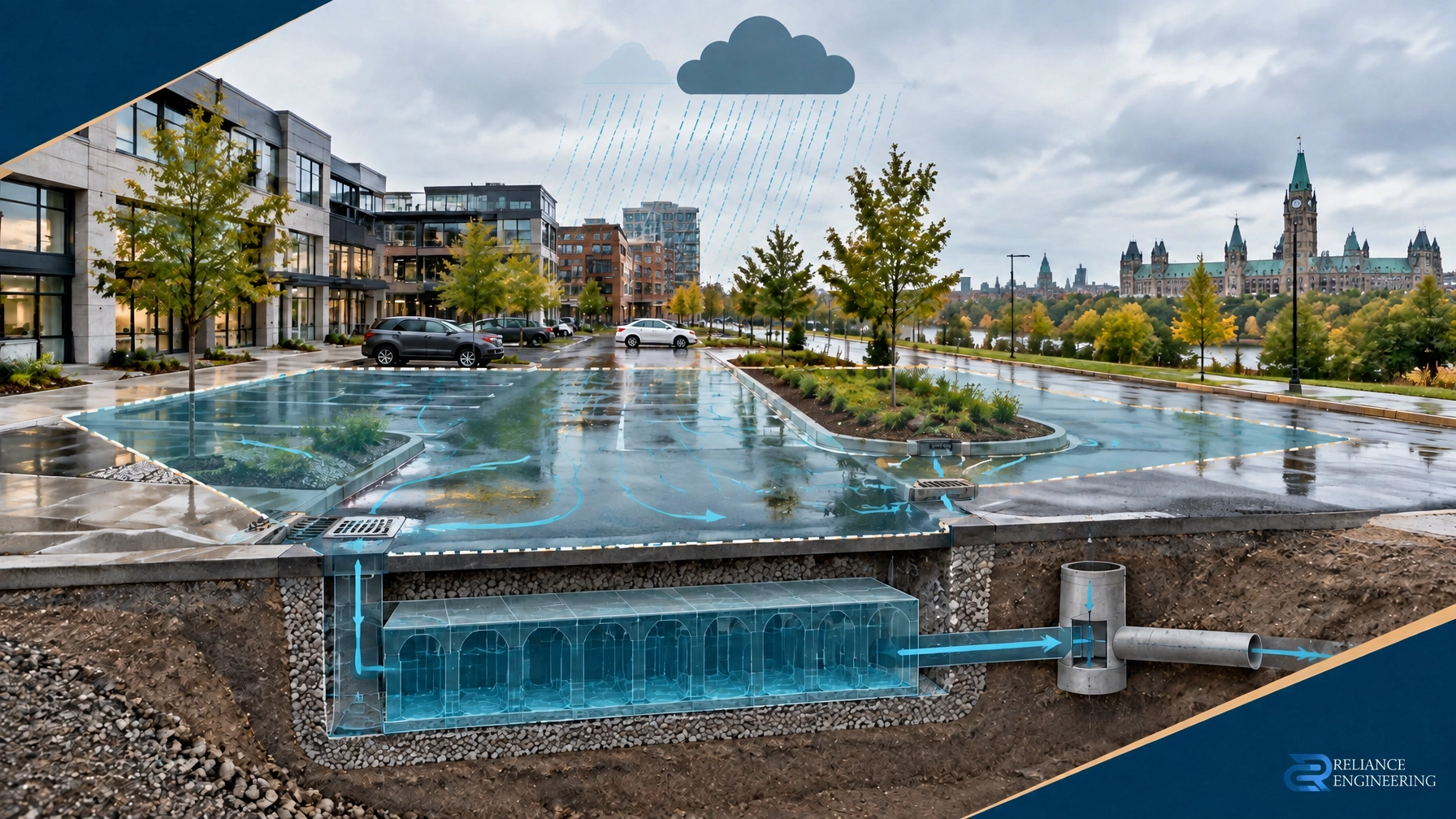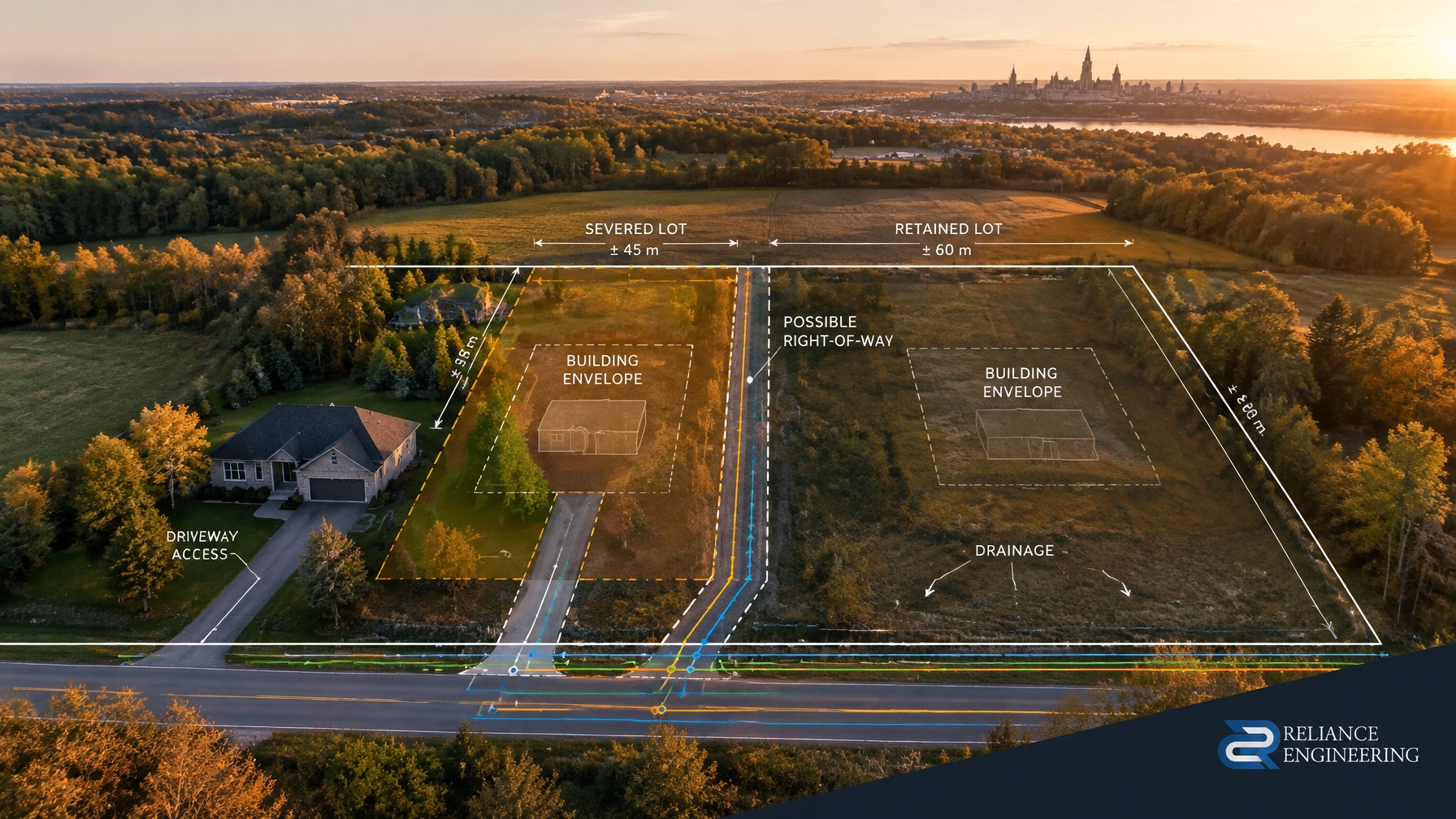
When it comes to protecting your property from the devastating effects of water damage, one crucial element that often goes unnoticed is the Storm System Design. This behind-the-scenes hero plays a pivotal role in preventing flooding, ensuring proper drainage, and maintaining the integrity of your storm water collection and treatment system.

Significance:

  • Flood Prevention
  • Water Damage Mitigation
  • Longevity and Maintenance

Storm System Design is critical for preventing water damage and ensuring proper drainage. It’s not just about aesthetics; it’s about safeguarding your property and the surrounding environment.

Core Components:

  1. Pipe Size and Slope
  2. Catch Basin and Manhole Designs
  3. Proper Pipe Bedding
  4. Pipe Invert Design

Now, let’s dive deeper into these components and understand how they work together to create an effective Storm System Design.

1. Pipe Size and Slope

One of the foundational aspects of Storm System Design is determining the right pipe size and slope. Here’s why it’s crucial:

  • Prevents Flooding:
    Proper sizing and slope prevent excess water from pooling, thus reducing the risk of flooding during heavy rainfall.
  • Water Damage Prevention:
    By efficiently guiding storm water away from your property, it helps prevent water damage to your structures and landscaping.
  • Ensures Efficient Flow:
    Correct slope ensures that water flows smoothly through the system, preventing blockages and backups.

2. Catch Basin and Manhole Designs

Catch basins and manholes may not be the most glamorous elements of your property, but they play a vital role in Storm System Design:

  • Drainage Efficiency:
    Catch basins capture debris and sediment, preventing them from entering the pipes and causing blockages.
  • Maintenance Access:
    Manholes provide access points for inspection and maintenance, ensuring the longevity of your storm system.
  • Aesthetic Considerations:
    Properly designed catch basins and manholes can be integrated seamlessly into your property’s design.

3. Proper Pipe Bedding

The longevity of your storm system relies heavily on proper pipe bedding:

  • Prevents Pipe Damage:
    Adequate bedding distributes the load on the pipe, reducing the risk of cracks or fractures.
  • Stability:
    It maintains the alignment and position of the pipes, ensuring they function optimally for years to come.
  • Cost-Efficiency:
    Investing in proper bedding now saves you money on repairs and replacements in the future.

4. Pipe Invert Design

The pipe invert design might sound technical, but it’s a critical component of Storm System Design:

  • Efficient Flow:
    Proper invert design ensures that water flows freely through the pipes, minimizing the risk of blockages.
  • Blockage Prevention:
    By designing the invert correctly, potential obstructions are less likely to impede water flow.
  • Maintenance Simplification:
    When it’s easier to maintain and clean your storm system, you save time and money on upkeep.

Conclusion:

In conclusion, Storm System Design is not just an afterthought in property planning; it’s a cornerstone of effective water management and damage prevention. From pipe sizing to manhole placement, each element serves a crucial role in safeguarding your property against flooding, water damage, and costly repairs.
By investing in a well-thought-out Storm System Design, you’re not only protecting your property but also contributing to the sustainable management of storm water. With efficient drainage systems in place, you’re doing your part to reduce the risk of urban flooding and its associated environmental impacts.
So, when you think about your property’s future, don’t forget to consider Storm System Design – that ensures your home or business remains safe, dry, and resilient against the forces of nature.