Article: Ontario Land Development, Zoning & Approvals
Published: October 10, 2026
A conditional consent decision is an important step in a land severance Ontario application, but it is not the finish line. The severed lot cannot be conveyed under the consent until the conditions are satisfied, the consent authority issues the required certificate, and the transaction is registered.
The work after the decision often involves municipal engineering review, servicing confirmation, grading and drainage, agreements, agency input and survey documents. A coordinated civil package helps reviewers assess these details and gives the owner a clear route from provisional approval to clearance.
What happens after conditional consent?
The consent authority (often a Committee of Adjustment, land division committee or delegated municipal official) may grant provisional consent subject to conditions. The decision notice identifies what must be done and, where applicable, which department or agency must confirm completion.
Treat each condition as a separate action. Some require drawings or technical reports; others may require a payment, registered agreement, easement, road widening, rezoning or written confirmation from a public agency.
Once all conditions are cleared, the authorized official can issue the Certificate of Consent. Ontario’s guide to land severances explains that the severance takes effect after the certificate is issued and registered. Conditions generally must be fulfilled within two years, but check the actual decision notice for the applicable deadline and requirements.
Common conditions and the evidence reviewers need
Conditions vary by municipality, site and proposal. Engineering-related items may include:
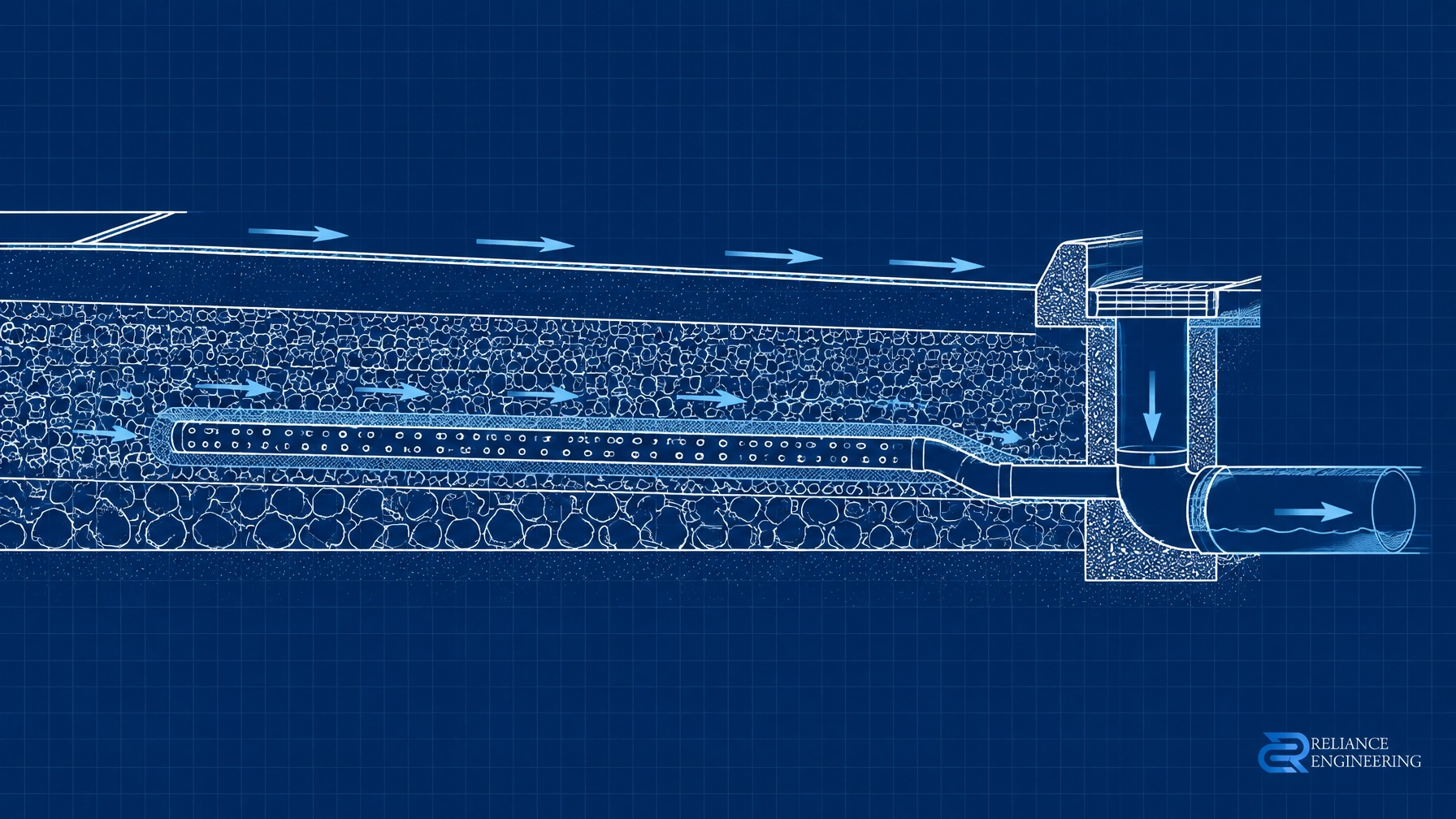
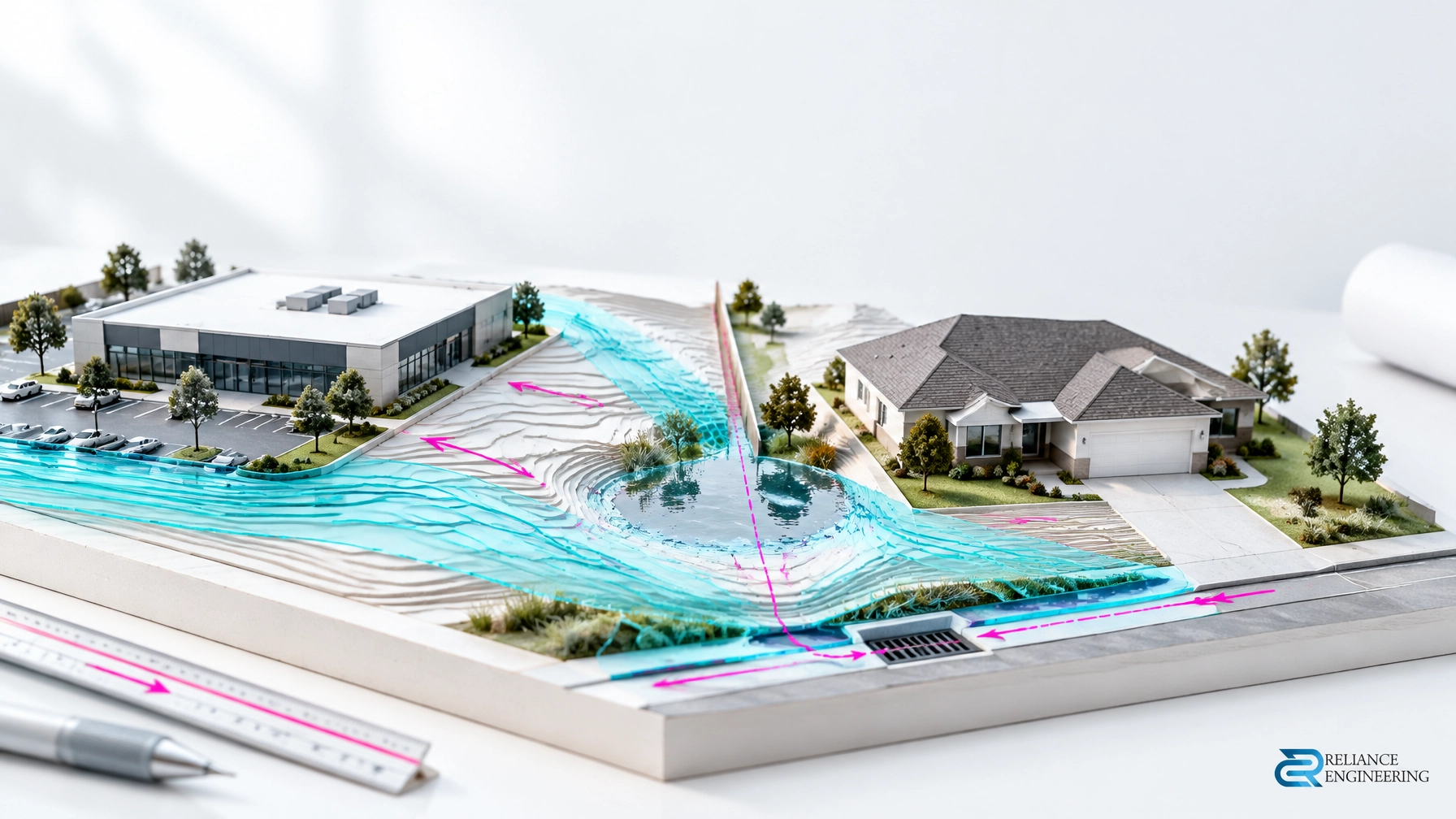
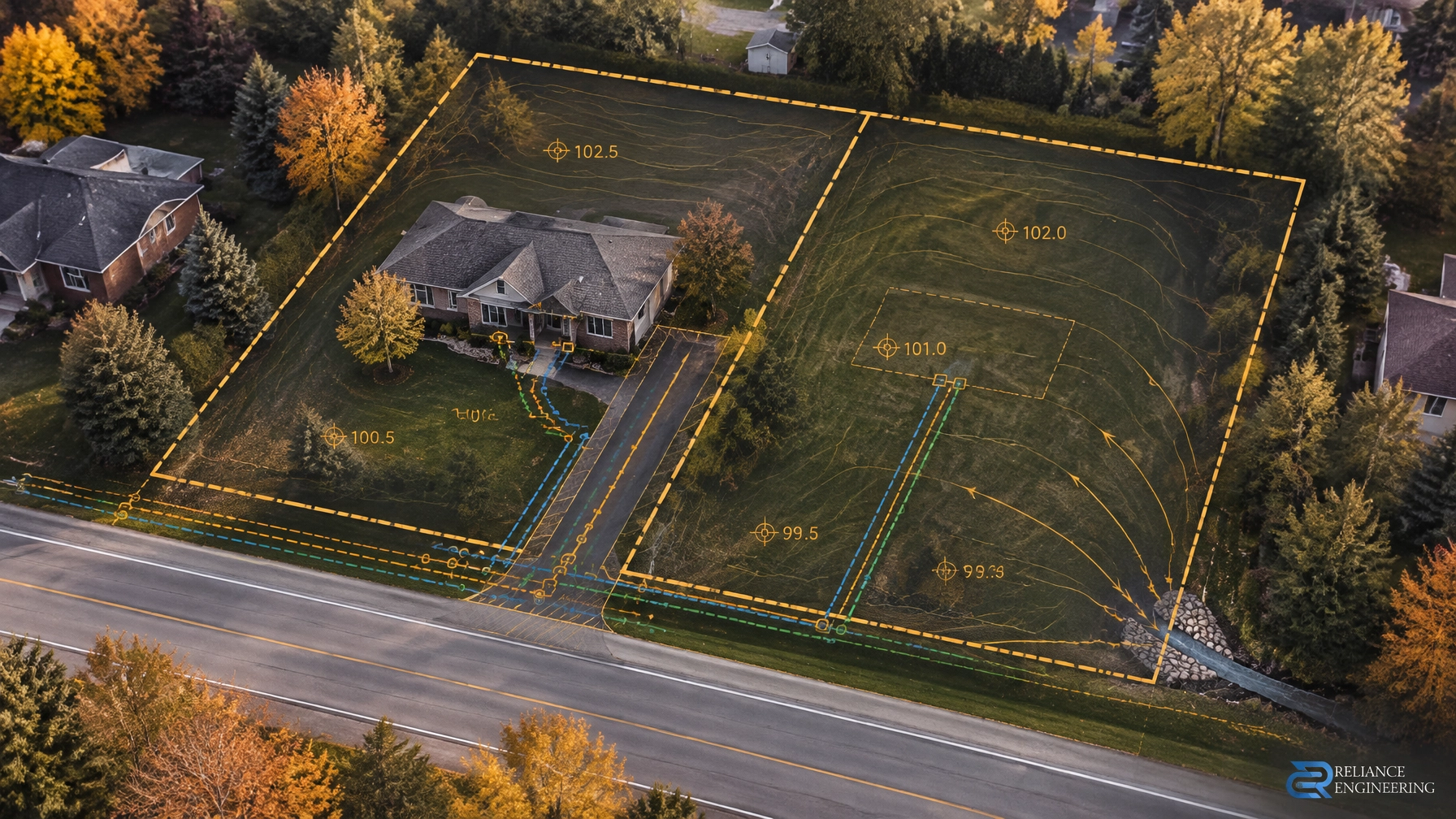
- Grading and drainage: Submit a plan showing existing and proposed elevations on both the severed and retained lots, including relevant adjacent lands. Show drainage patterns, swales, overland flow routes and any required easements or catchbasins.
- Water and sanitary servicing: Confirm how each lot will be served. Municipal connections may require service routing, connection details and capacity review. Private wells and septic systems may need evidence that the proposed lot layout and building envelope can meet applicable requirements.
- Access and driveway works: Show legal and practical access for both parcels. Conditions may address a right-of-way, shared driveway, entrance location, road widening or sightline requirements.
- Stormwater and environmental controls: Demonstrate where runoff will go and how construction-related sediment will be controlled. A Conservation Authority review or separate permit may apply where regulated lands or natural hazards are involved.
- Municipal agreements and fees: Complete any required development or consent agreement, easement, parkland contribution, fee, road dedication or other municipal obligation.
- Survey and legal documents: Provide the required reference plan, conveyance documents and other materials in the form requested by the consent authority.
The Township of Oro-Medonte’s consent application illustrates the range of conditions that may apply, including engineered grading, servicing, septic-system information, site plan approval, parkland fees and agreements. It is an example, not a province-wide checklist: the decision and local requirements for your property govern.
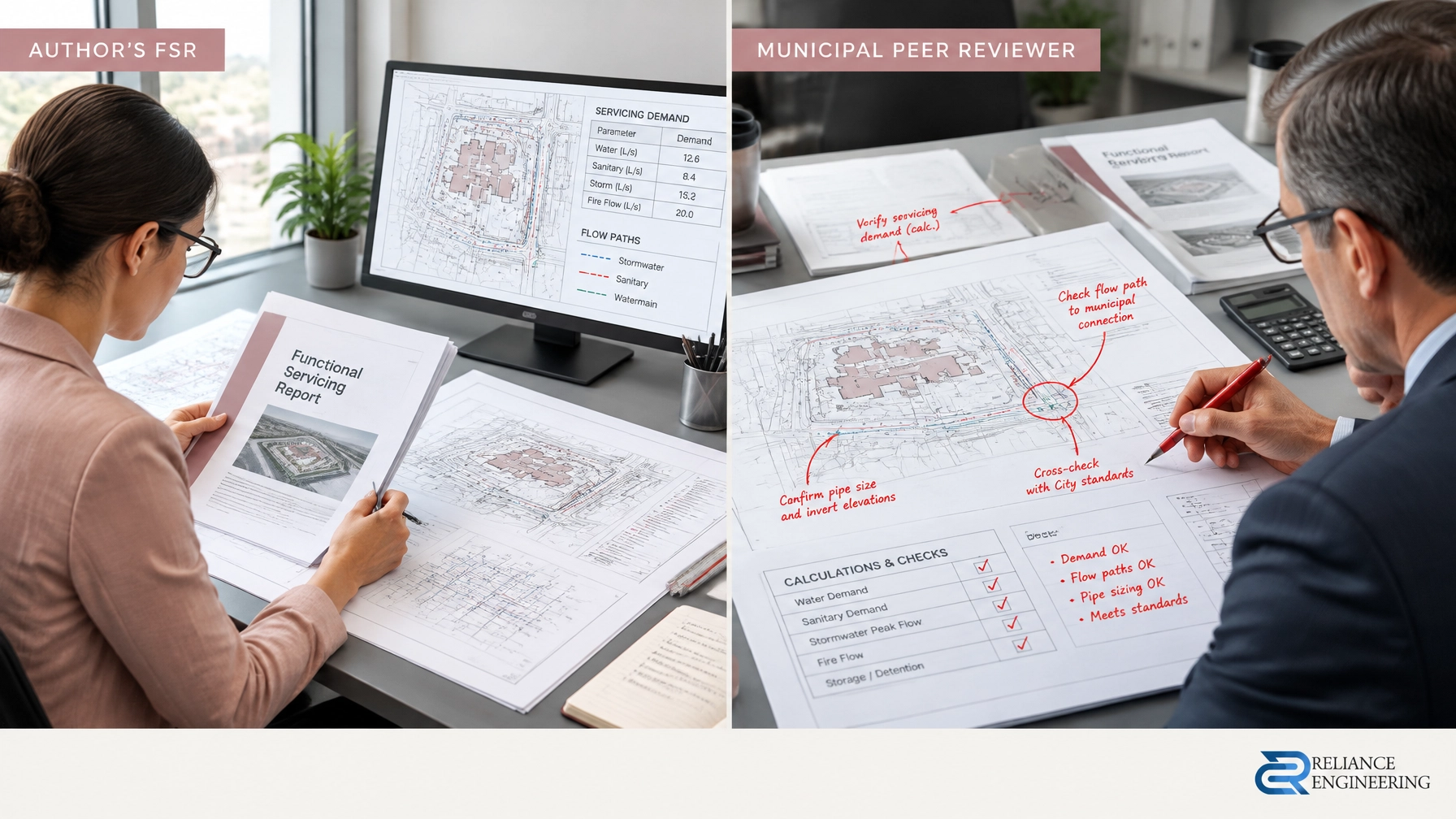
What a complete civil package should show
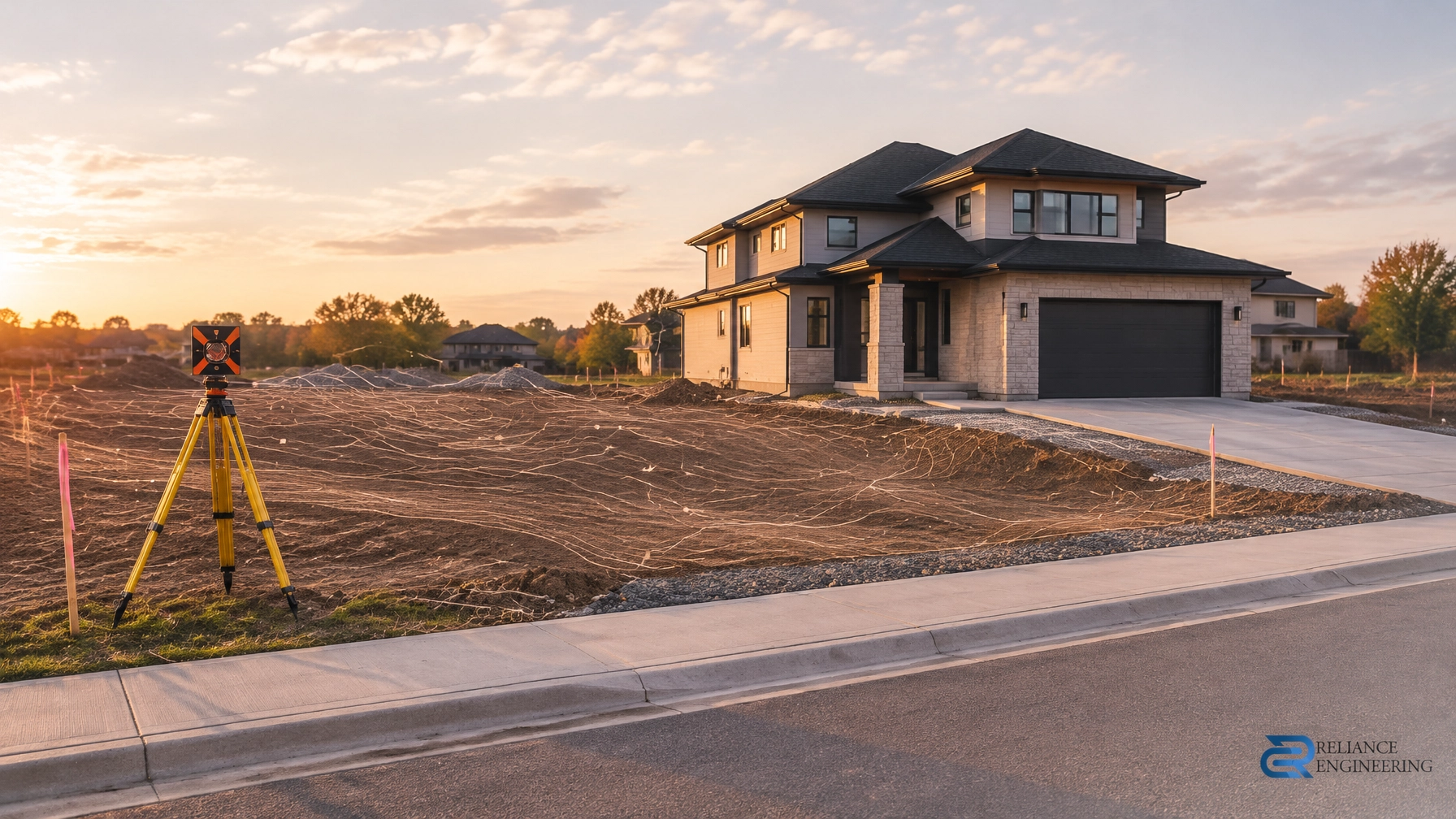
A complete civil package connects the survey, proposed lot line and site design in a way that municipal and agency reviewers can check. Reviewer-friendly drawings should use matching survey linework and clearly identify both the severed and retained parcels.
Depending on the conditions, the package may include:
- Site Grading Plans showing existing and proposed elevations, drainage directions, overland flow routes, driveway grades and tie-ins.
- Site Servicing Plans showing water, sanitary and storm connections, service routing, easements and relevant existing infrastructure.
- Stormwater Management Reports or supporting calculations where the municipality requires a more detailed assessment.
- Erosion and Sediment Control Plans showing how sediment will be managed during construction.
- Supporting notes, details or reports required by the municipality or Conservation Authority.
Clear information helps reviewers trace how the lots will function after division. It also makes conflicts easier to identify, for example, when a proposed lot line cuts across an existing service, when grades send runoff toward a neighbouring property, or when a driveway needs access over another parcel.
See Reliance Engineering’s services for site grading plans, site servicing plans, stormwater management reports and erosion and sediment control plans.
Why early engineering input matters
The most efficient time to test servicing and grading feasibility is before the consent application is filed. Early engineering input can identify issues with access, drainage outlets, service capacity, easements, existing buildings or septic and well locations while the proposed lot lines can still be reviewed and refined.
This matters particularly on tight severed parcels. An existing dwelling may leave limited room for a compliant driveway, service corridor or drainage route. A reverse-frontage lot may require a longer access arrangement. A shared driveway may raise access and maintenance questions. Where either lot relies on a well and septic system, the proposed building envelope and required clearances need careful review. Municipal water and sanitary service availability should also be confirmed rather than assumed.
Early review cannot remove every condition or replace municipal and agency review. It can, however, help the applicant understand whether the required work is practical before a decision imposes a clearance deadline.
Coordinate the team and track each condition
A surveyor, planner, architect, structural engineer and civil engineer each contribute different information. Strong coordination keeps the consent sketch, reference plan, building layout, grading and service routes aligned as the design advances.
After receiving the decision, create a condition tracker with five fields:
- Exact condition wording
- Responsible reviewer or clearance authority
- Drawing, report, payment or agreement required
- Submission status and deadline
- Written confirmation of clearance
Submit each item to the department or agency named in the condition. Keep written confirmation and check with the consent authority about the documents needed to issue the certificate. Do not assume that sending a drawing for review is the same as receiving clearance.
How consent fits into the wider approval sequence
Consent may be one part of a larger approval process. If the proposal conflicts with the Official Plan or zoning, OPA ZBA drawings may support applications for an Official Plan Amendment or Zoning By-law Amendment. A project may also require site plan approval, a registered agreement, or other municipal approvals. Detailed building permit drawings typically follow when the building design is ready and the required approvals are in place. Where a larger development involves multiple lots or a more comprehensive layout, a plan of subdivision may be required instead of, or in addition to, individual consent applications. The consent authority determines the appropriate process for the proposal.
Get support with consent-condition clearance
Reliance Engineering prepares practical designs, clear drawings and permit-ready civil drawings for land development projects across Ontario. We provide approval support and coordinate civil information with your surveyor, planner and design team.
Contact us for a consultation to review your consent conditions, deadlines and civil drawing requirements.
Professional credentials and contact
Naresh Ochani, P.Eng. M.Eng.
PEO Certificate of Authorization: 100548882
Reliance Engineering
6850 Millcreek Dr, Mississauga, ON L5N 2H4
Phone: 647-385-6418
Email: [email protected]
Request a consultation
Office hours: Saturday 12:00 PM–2:00 PM; Sunday Closed.
This article provides general information. Consent conditions and clearance procedures differ by municipality and site. Confirm requirements with the consent authority and relevant agencies.