
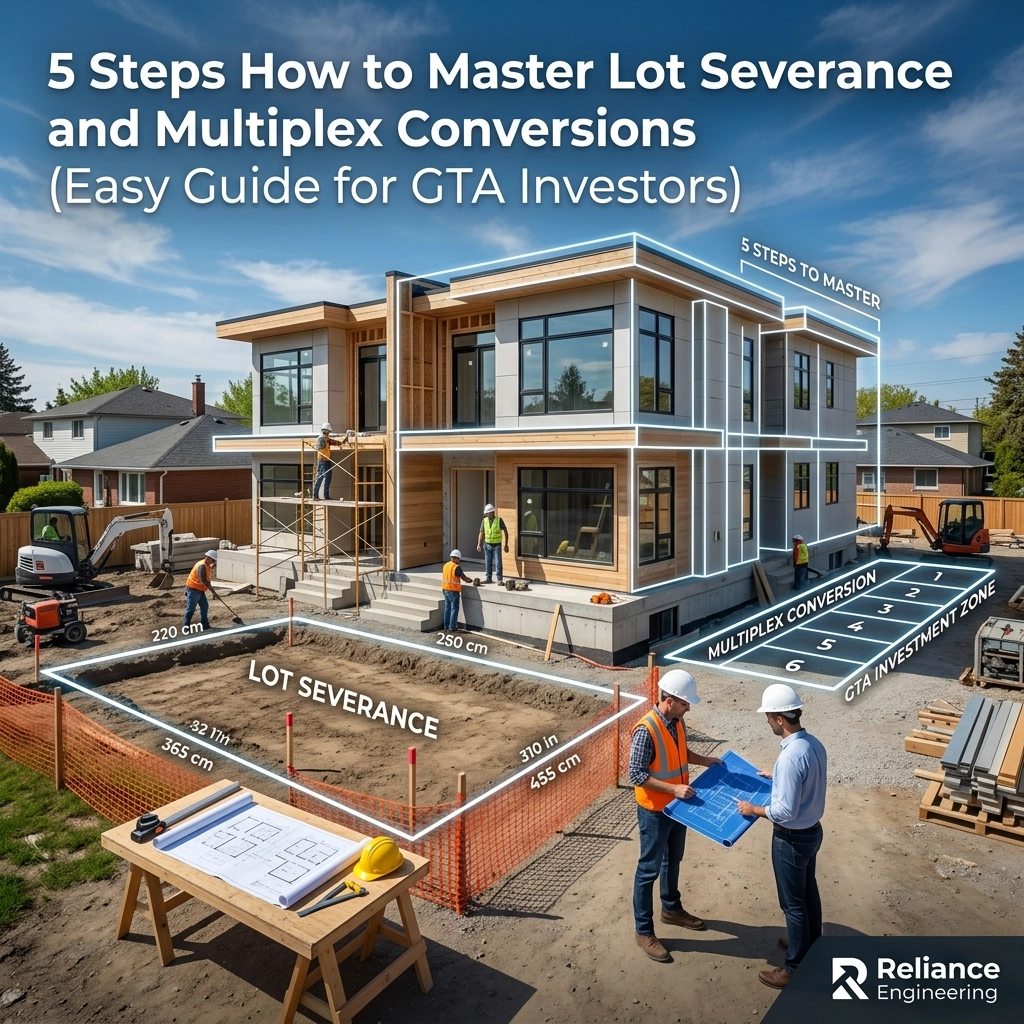
The landscape of Ontario real estate has shifted. For years, the "Missing Middle": those high-density, low-rise residential options like fourplexes and small apartment buildings: was caught in a web of restrictive zoning. Today, the doors are wide open. With provincial mandates encouraging density, investors are no longer looking at single-family homes as just a rental; they are looking at them as development sites.
If you are an investor in the GTA or across Ontario, the highest ROI today lies in two strategies: Lot Severance and Multiplex Conversions.
At Reliance Engineering, we see projects fail not because of a lack of vision, but because of a lack of technical planning. You can have the best architectural renderings in the world, but if your site grading is off or your sanitary capacity is maxed out, your project is dead in the water.
Here is your 5-step guide to mastering the process and ensuring your engineering doesn't eat your profits.
Step 1: Feasibility and the "Missing Middle" Audit
Before you put a deposit on a property or sign a contract, you need to know what the land allows. Bill 23 and subsequent municipal updates have made it much easier to build up to four units on a single residential lot in many Ontario jurisdictions. However, "allowable" doesn't always mean "feasible."
Zoning vs. Engineering
Zoning tells you what you can build. Engineering tells you what you can afford to build. You must check:
- Property Dimensions: Is there enough room for the required setbacks and the additional footprint?
- Easements: Are there municipal pipes running through the backyard where you want to build that ADU or multiplex extension?
- Infrastructure Capacity: Can the existing water and sewer lines handle four or five families instead of one?
For investors, this stage is about risk mitigation. We recommend a preliminary review of the Functional Servicing Report requirements for your specific municipality to avoid nasty surprises later.
Step 2: The Severance Strategy (Consent Applications)
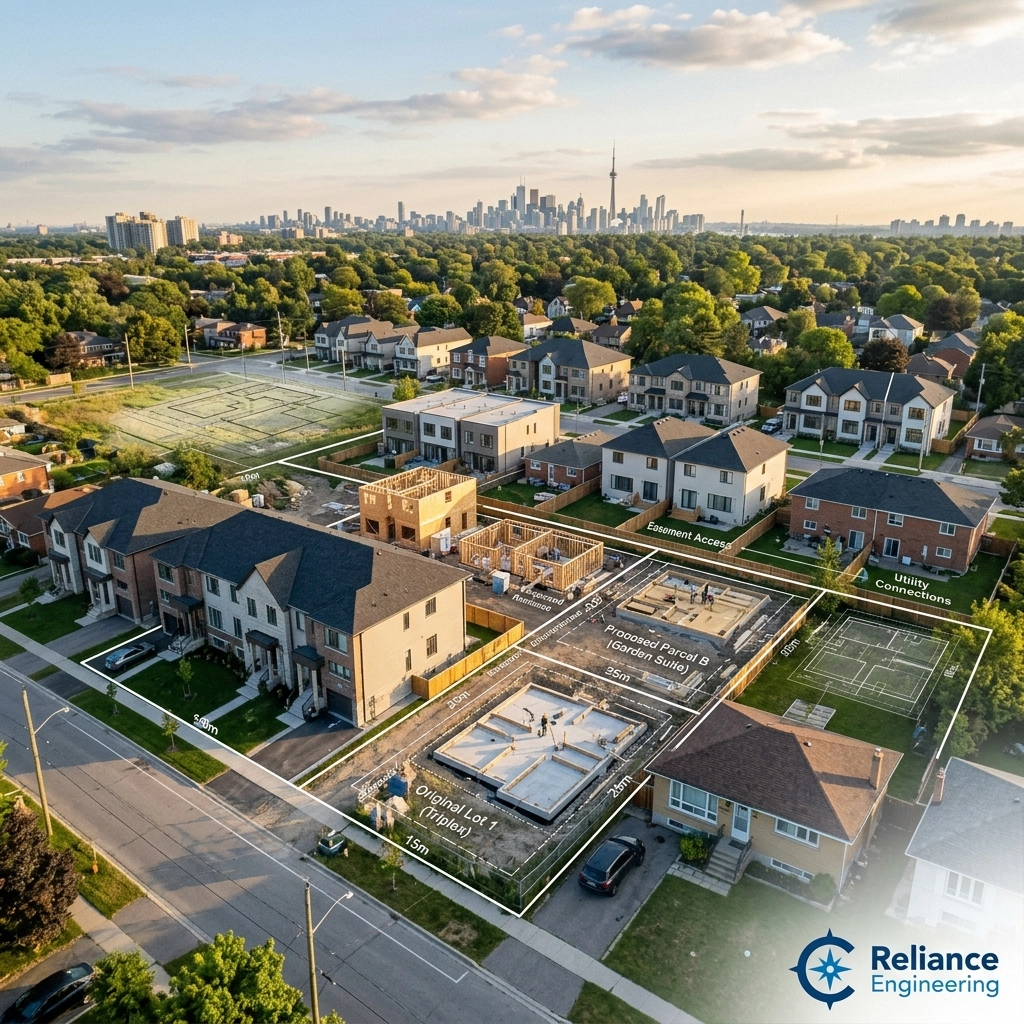
Lot severance, or "Land Consent," is the process of dividing one property into two or more separate parcels. This is the ultimate "value-add" play. By turning one lot into two, you effectively double your development potential.
The Committee of Adjustment
In Ontario, severance applications go through the Committee of Adjustment. To win here, you need a professional package. The committee looks at:
- Compatibility with the neighborhood.
- Access to the new lot.
- Servicing capabilities.
Investors often underestimate the importance of a Site Servicing Plan during this stage. The committee needs to see that both the "retained" lot and the "severed" lot can function independently with their own connections to municipal infrastructure.
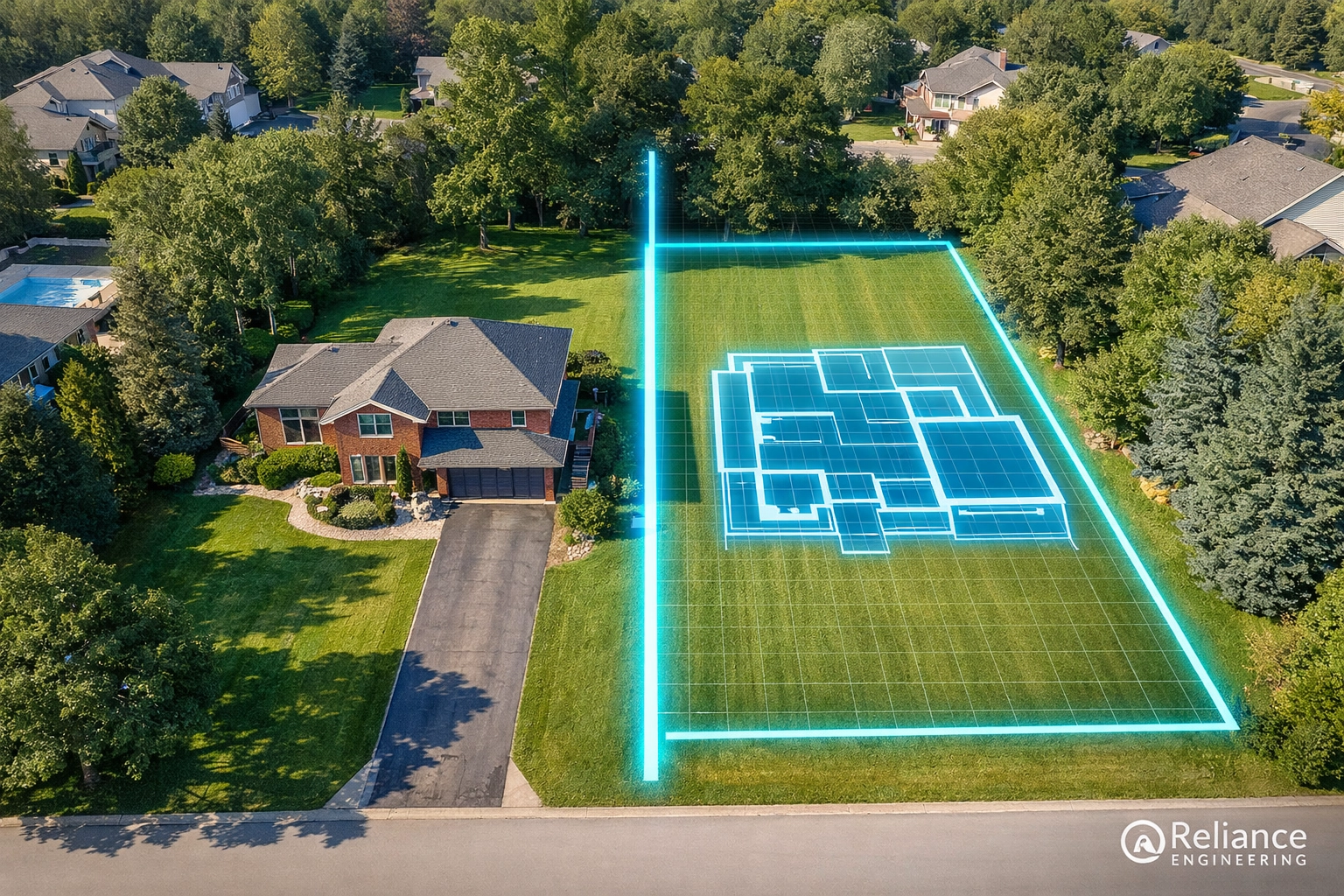
Step 3: Engineering the Multi-Unit Conversion (The Make-or-Break Step)
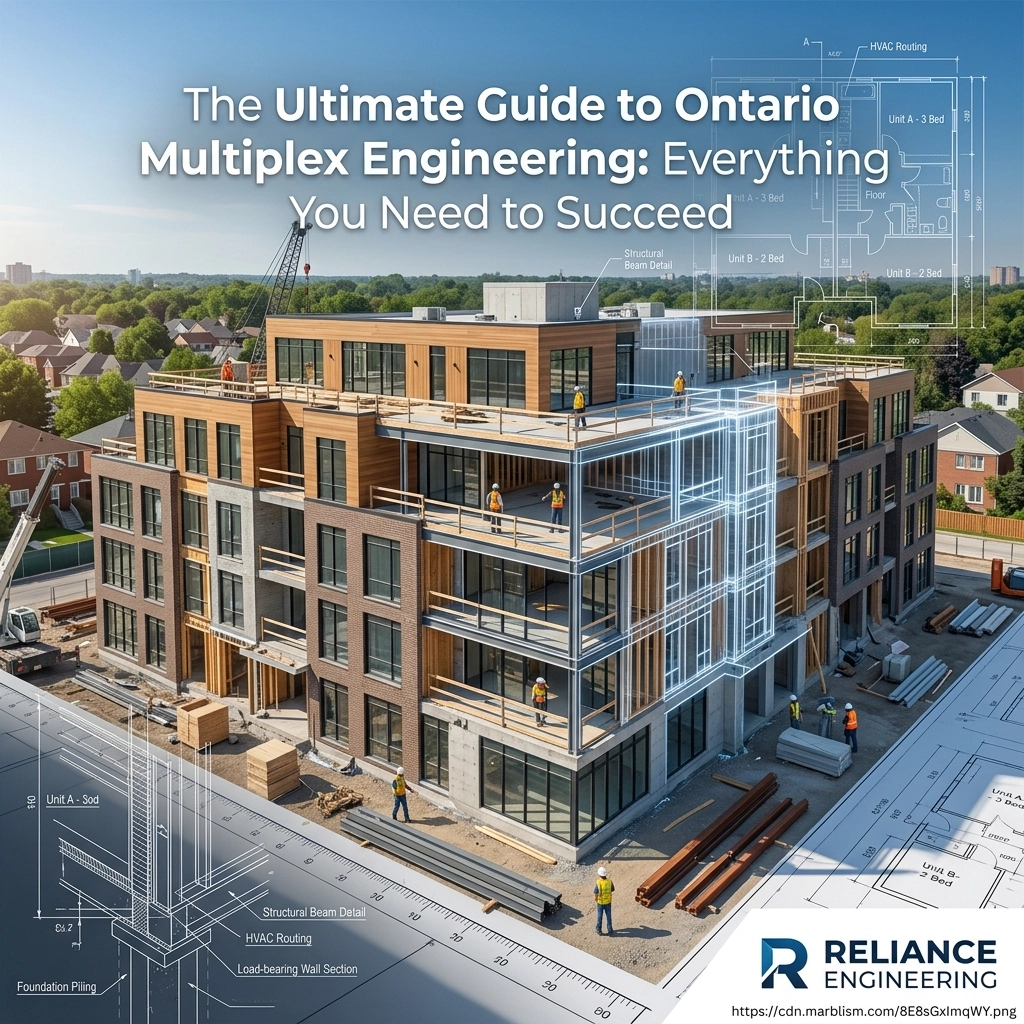
Converting a single-family home into a 4-plex or 5-plex: or building a new multiplex from scratch: requires a deep dive into civil engineering. This is where most projects face delays or cost overruns.
Why Servicing and Grading Matter
When you increase the number of units, you increase the "load" on the land.
- Water Distribution: You will likely need a new Water Distribution Design to ensure every unit has adequate pressure, especially if you are adding fire suppression systems (sprinklers).
- Sanitary Sewer Design: Five kitchens and five bathrooms produce significantly more waste than one. A Sanitary Sewer Design ensures the pipes are sized correctly to prevent backups.
- Stormwater Management (SWM): More units usually mean more "impermeable" surfaces (roofs, driveways, parking). Ontario municipalities are strict about Stormwater Management. You must prove that your project won't cause flooding on your neighbor’s property.
Without a precise Site Grading Plan, you risk municipal rejection or, worse, post-construction drainage issues that can lead to expensive lawsuits.
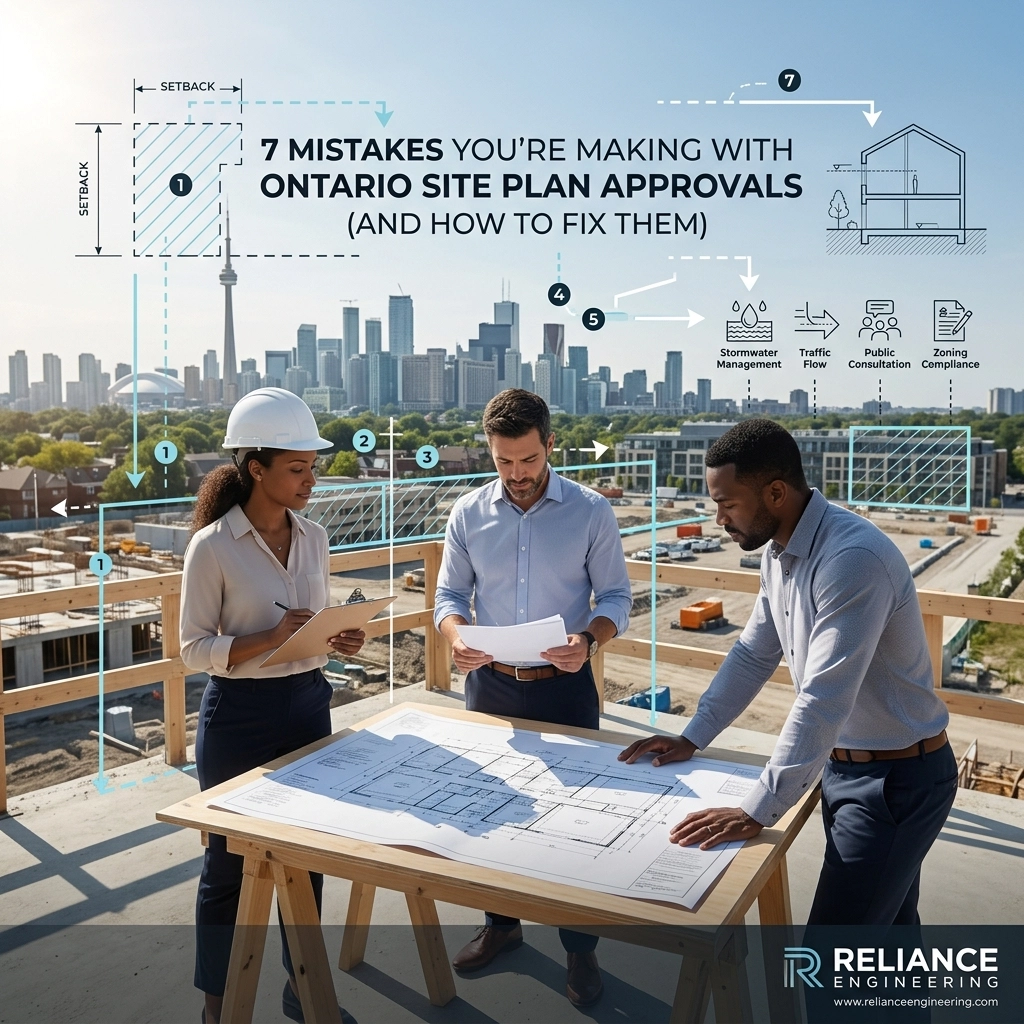
Step 4: Navigating Municipal Approvals and SPA
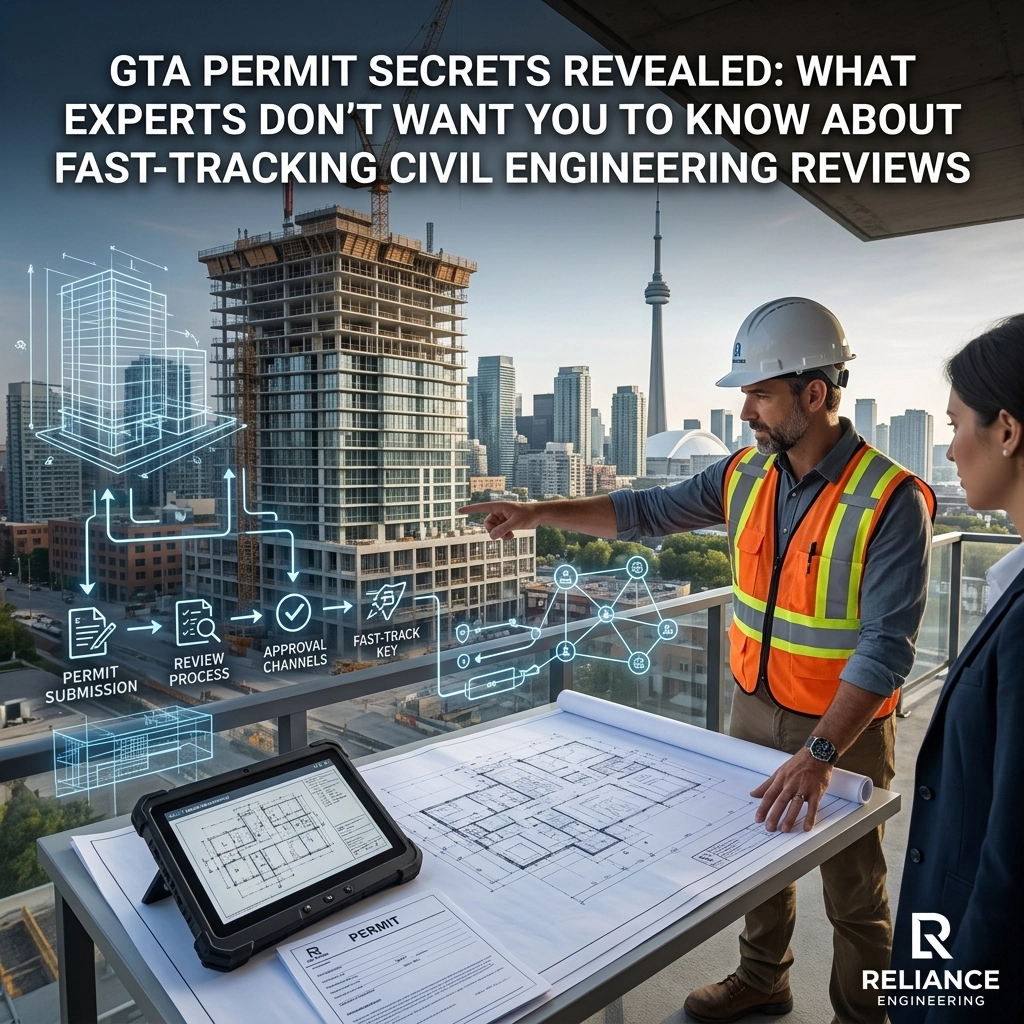
Once your engineering and architectural plans are ready, you enter the Site Plan Approval (SPA) phase. This is a collaborative (and sometimes frustrating) process with city planners.
In the GTA, municipalities are under pressure to speed up approvals, but they won't cut corners on safety or infrastructure. Your application needs to be "Permit-Ready." This means all reports: from Storm System Design to landscape plans: must align perfectly.
At Reliance Engineering, we specialize in high-speed, compliant draft plans. We know what the reviewers are looking for because we deal with them every day across Ontario. Check out some of our past projects to see how we’ve navigated complex urban infill requirements in Toronto and beyond.

Step 5: Permits, Construction, and ROI Realization
The final step is securing your building permits. With your civil engineering approved, your architectural plans finalized, and your severance recorded, you are ready to build.
The Investor’s Bottom Line
Multiplexes are a hedge against market volatility. While single-family home prices may fluctuate, the demand for "Missing Middle" housing: affordable, multi-unit rentals: remains at an all-time high in Ontario.
By following a structured engineering-first approach, you avoid the "renovation trap" where unexpected infrastructure costs eat your 20% margin. Proper planning allows you to scale. Once you master the 4-plex, the 5-plex and 6-plex becomes a repeatable formula.

Work With Ontario’s Civil Engineering Experts
Don't let engineering hurdles slow down your investment goals. Whether you are looking at a lot severance in Etobicoke or a multiplex conversion in Mississauga, Reliance Engineering provides the technical expertise to get your project approved and built.
Contact Us Today:
- Founder and Principal: Naresh Ochani, P.Eng. M.Eng.
- Phone: 647-385-6418
- Email: [email protected]
- Address: 6850 Millcreek Dr, Mississauga, ON L5N 2H4
- Website: www.relianceengineering.ca
Office Hours:
- Saturday: 12:00 PM – 2:00 PM
- Sunday: Closed
Ready to start? Visit our Contact Page to book a consultation or learn more about our Services. From Site Grading Plans to complex Functional Servicing Reports, we are your partners in land development across Ontario.


Leave A Comment