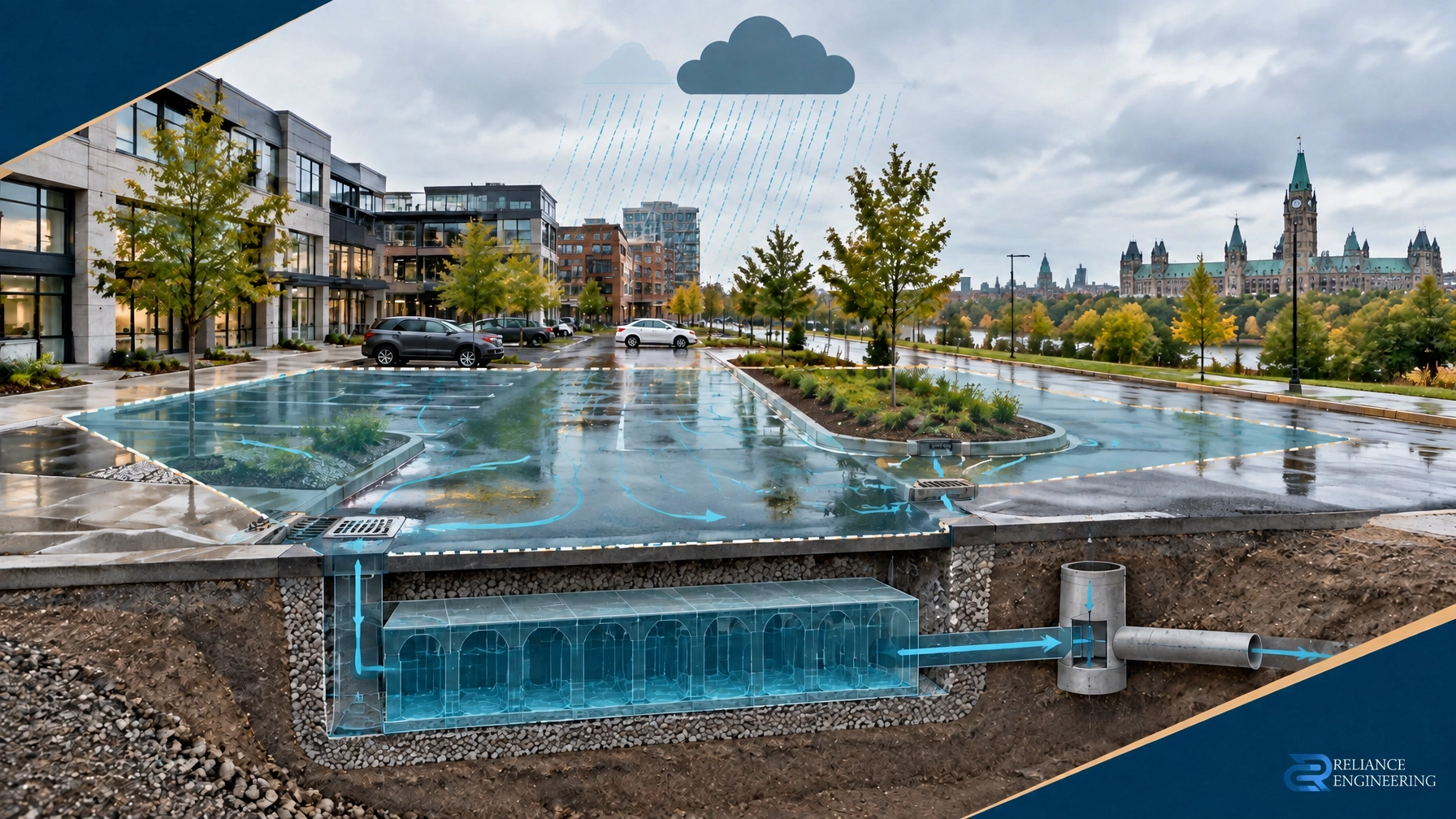
Water Distribution Design: Ensuring Efficient and Sustainable Systems

Water distribution design plays a critical role in ensuring communities have reliable access to clean and safe drinking water. This design process involves careful planning, analysis, and implementation of systems that deliver water from its source to end-users efficiently and sustainably.

Importance of Water Distribution Design

A well-designed water distribution system is essential for public health, sanitation, and economic development. It ensures that water is delivered to homes, businesses, and industries reliably and at adequate pressure and flow rates. Without proper design, water distribution systems can suffer from leaks, breaks, and contamination, leading to water shortages, health hazards, and infrastructure damage.

Components of Water Distribution Design

  • Source: The source of water, such as a reservoir, river, or groundwater, must be identified and assessed for quality and quantity. The design should ensure that the source can meet the demand for water.
  • Treatment: Water treatment plants are essential to remove contaminants and ensure water quality. The design should include the capacity and efficiency of treatment processes.
  • Storage: Storage tanks or reservoirs are needed to store water for times of high demand or emergencies. The design should consider the size, location, and type of storage facilities.
  • Pumping: Pumping stations are used to lift water from the source or storage to higher elevations. The design should include the number, size, and efficiency of pumps needed.
  • Distribution: The distribution network consists of pipes, valves, and hydrants that deliver water to end-users. The design should ensure that the network is well-connected, efficient, and able to handle the demand.

Best Practices in Water Distribution Design

  • Hydraulic Analysis: A thorough hydraulic analysis is essential to determine the optimal pipe size, layout, and pressure requirements. This analysis considers factors such as flow rates, elevation changes, and friction losses.
  • Material Selection: Choosing the right materials for pipes is crucial for durability and longevity. Common materials include PVC, ductile iron, and HDPE, each with its advantages and limitations.
  • Pressure Management: Maintaining optimal pressure is essential to avoid leaks, bursts, and damage to the system. Pressure reducing valves (PRVs) and pressure monitoring devices should be included in the design.
  • Water Quality: Ensuring water quality throughout the distribution system is critical. The design should include measures such as flushing, disinfection, and monitoring to prevent contamination.
  • Sustainability: Designing for sustainability involves reducing water loss, energy consumption, and environmental impact. Practices such as leak detection, rainwater harvesting, and use of renewable energy sources should be considered.

In conclusion, water distribution design is a complex and essential process that requires careful planning and execution. By following best practices and considering the unique needs of each community, engineers can create efficient and sustainable water distribution systems that ensure reliable access to clean water for generations to come.